
When people first hear about Armenia, one of the most common questions is surprisingly simple: Where is Armenia, or is it in Europe or in Asia?
Armenia sits at a fascinating crossroads, right between Europe and Asia, in a region known as the South Caucasus. It’s one of those places that feels familiar and exotic at the same time, shaped by centuries of movement, trade, and cultural exchange.
In this blog, we will discuss Armenia’s location, neighbors, geography, unique landscapes, and travel tips.
Where is Armenia Located?
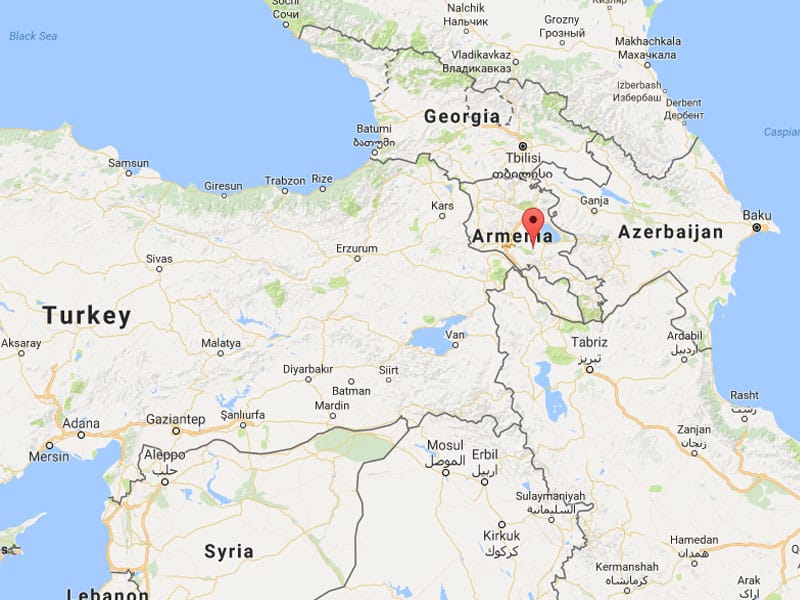
On the map, Armenia is bordered by Georgia to the north, Iran to the south, Turkey to the west, and Azerbaijan to the east. This position has always mattered.
Being surrounded by different civilizations and landscapes helped Armenia develop a strong identity of its own. It blends Eastern warmth with European influences, ancient traditions with modern life.
For travelers, this geography is a big advantage. Armenia may be compact, but it’s incredibly diverse. In just a few hours’ drive, you can move from mountain passes to green forests, from ancient monasteries to lively city cafés.
Its location has made Armenia a meeting point of cultures. The same crossroads energy is what makes visiting the country so rewarding.
Whether you’re coming from Europe, the Middle East, or beyond, Armenia feels like a discovery.
Armenia Geography and Landscapes
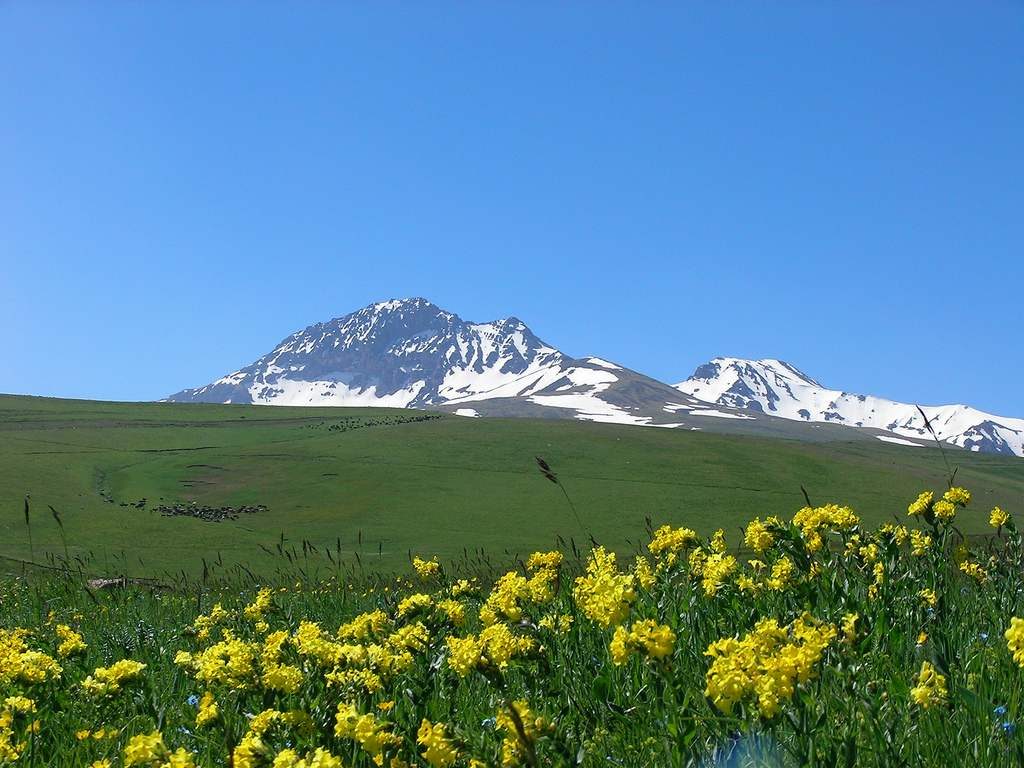
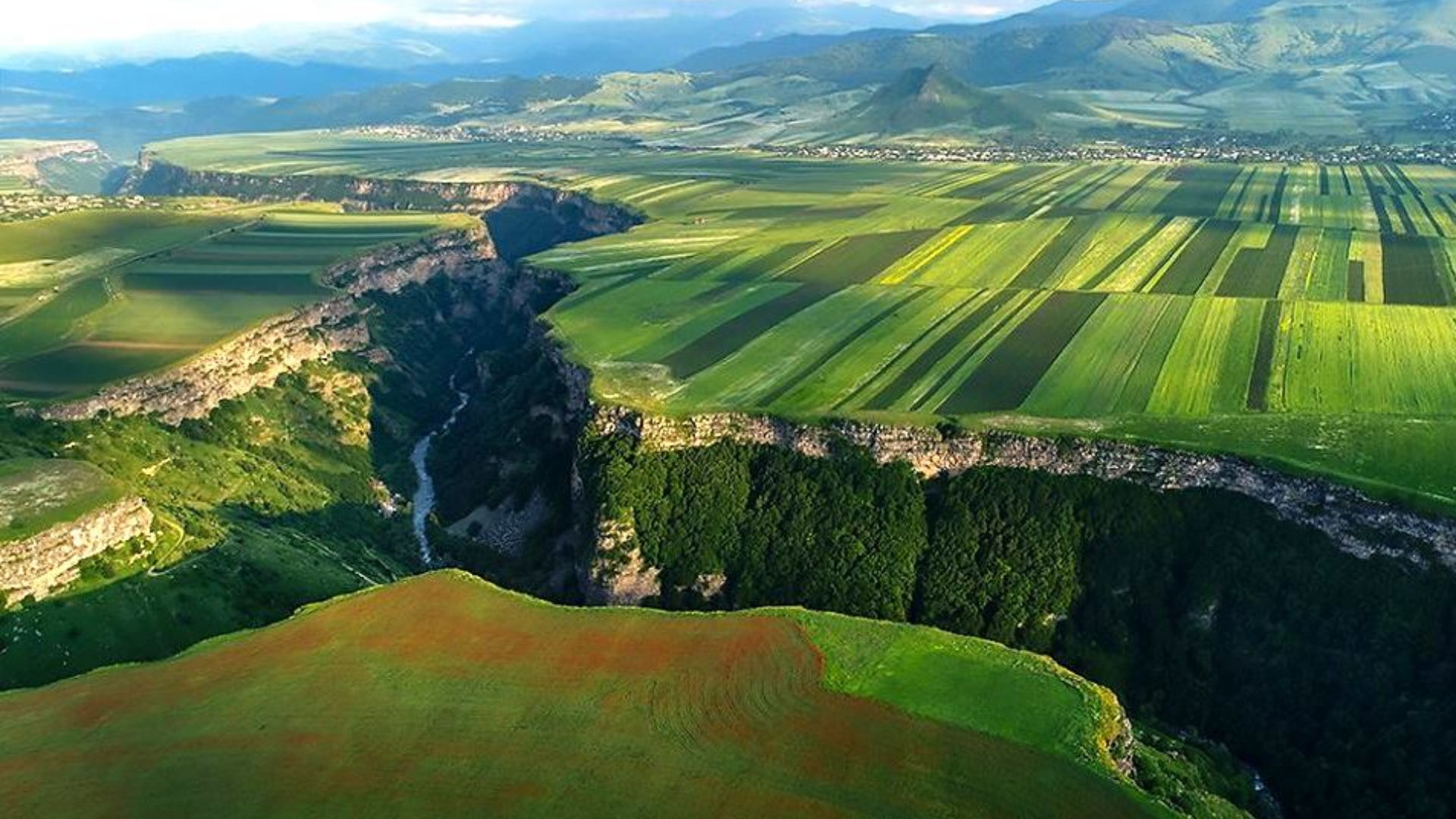
One of the first things travelers notice when exploring Armenia is how dramatic the landscape feels.
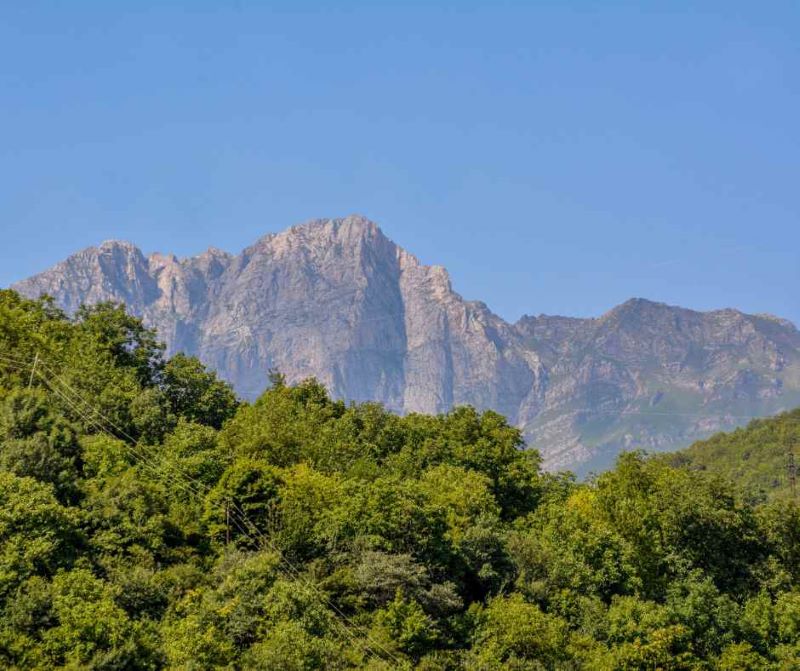
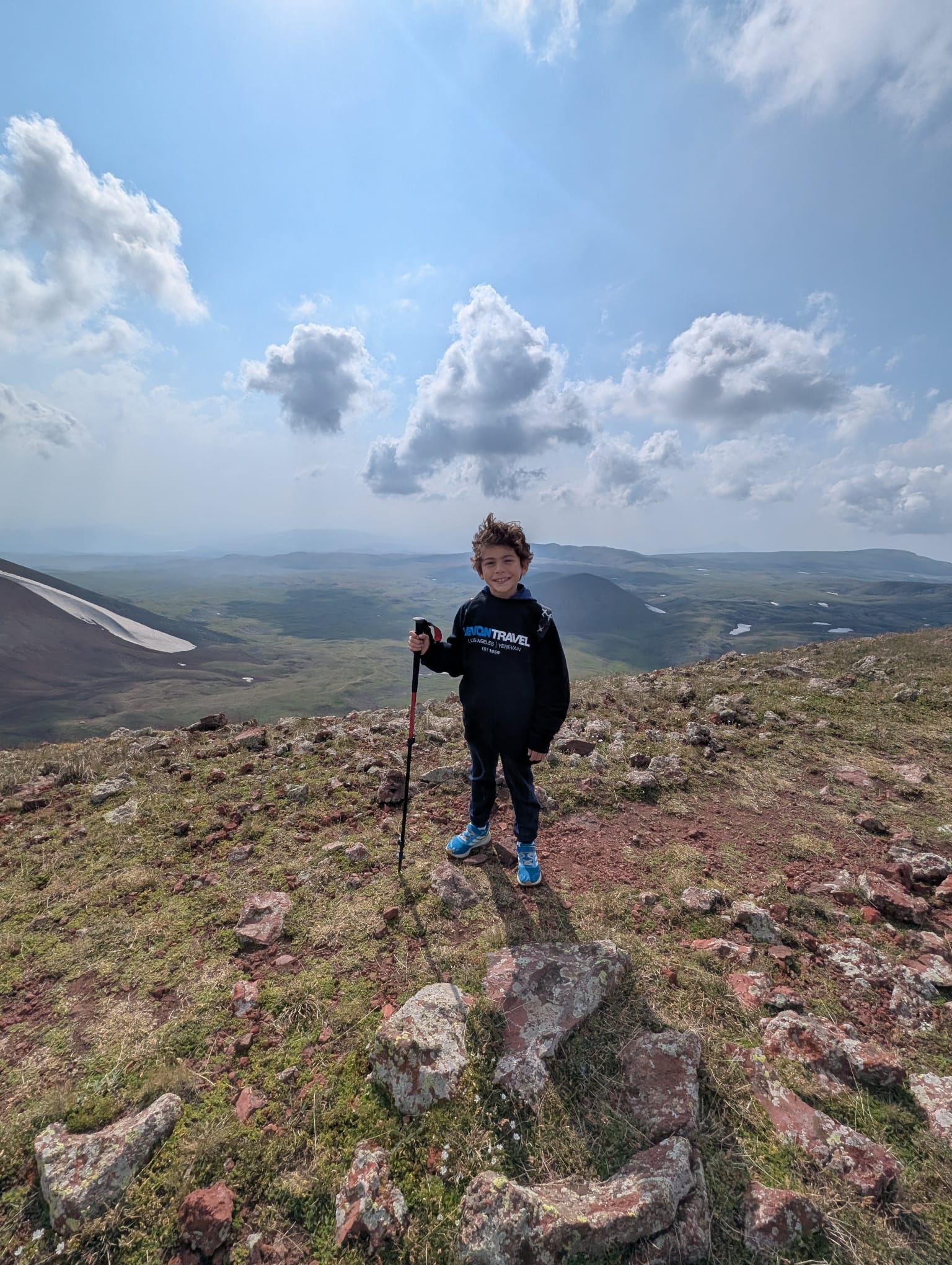
Armenia is one of the most mountainous countries in the region, with around 90% of its territory made up of mountains and highlands. Flat land exists, but it’s the exception, not the rule.
Forests cover roughly 12–13% of the country, concentrated mainly in the north and northeast. While Armenia isn’t heavily forested overall, the green areas it does have feel especially lush because of the contrast with rocky highlands and open plateaus.
How Landscapes Change Across Armenia’s Provinces
Despite its small size, Armenia feels incredibly varied because each region has its own natural character.
Northern Armenia (Lori, Tavush)
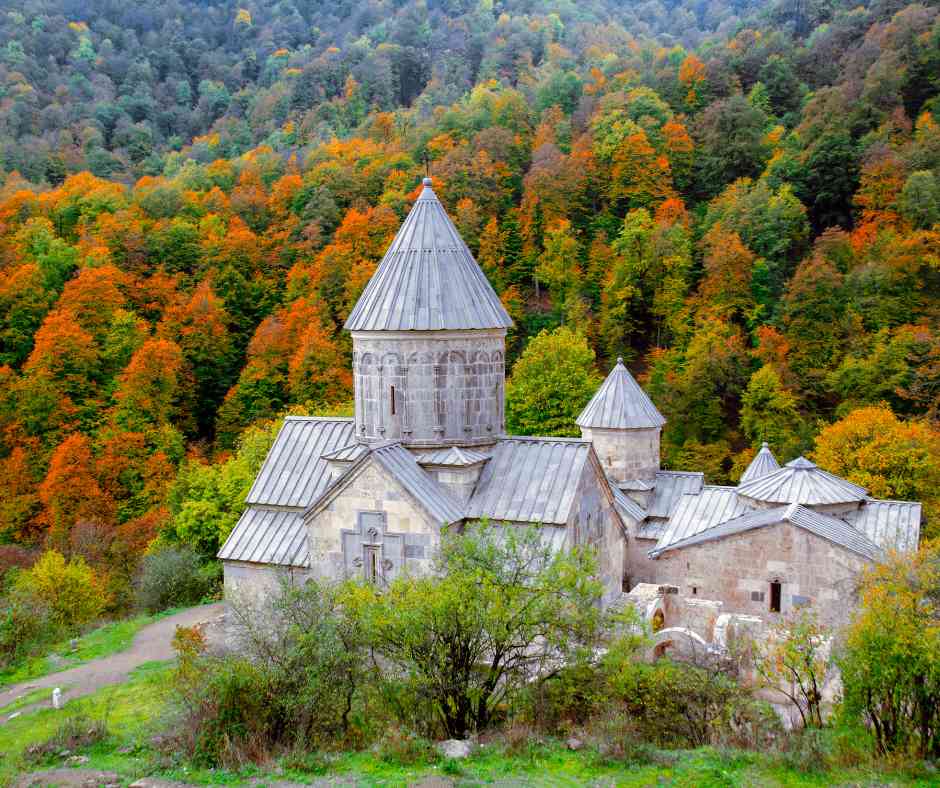
This is Armenia’s greenest side. Dense forests, rolling hills, and deep river valleys dominate the landscape. Tavush and Lori often surprise visitors who expect a dry, rocky country. They find misty forests, cool summers, and hiking trails that feel almost Alpine instead.
Central Armenia (Kotayk, Aragatsotn)
The terrain becomes more open and elevated. You’ll see volcanic plateaus, wide valleys, and Armenia’s highest peak, Mount Aragats.
Lake Sevan and Gegharkunik
Lake Sevan, one of the largest freshwater high-altitude lakes in Eurasia, is surrounded by mountains. The terrain here shifts between grassy plateaus, rocky shorelines, and distant peaks
Southern Armenia (Vayots Dzor, Syunik)
This is where the landscape becomes wilder and more dramatic. Deep canyons, sharp ridges, red-rock formations, and high-altitude roads define the south.
Ararat Plain
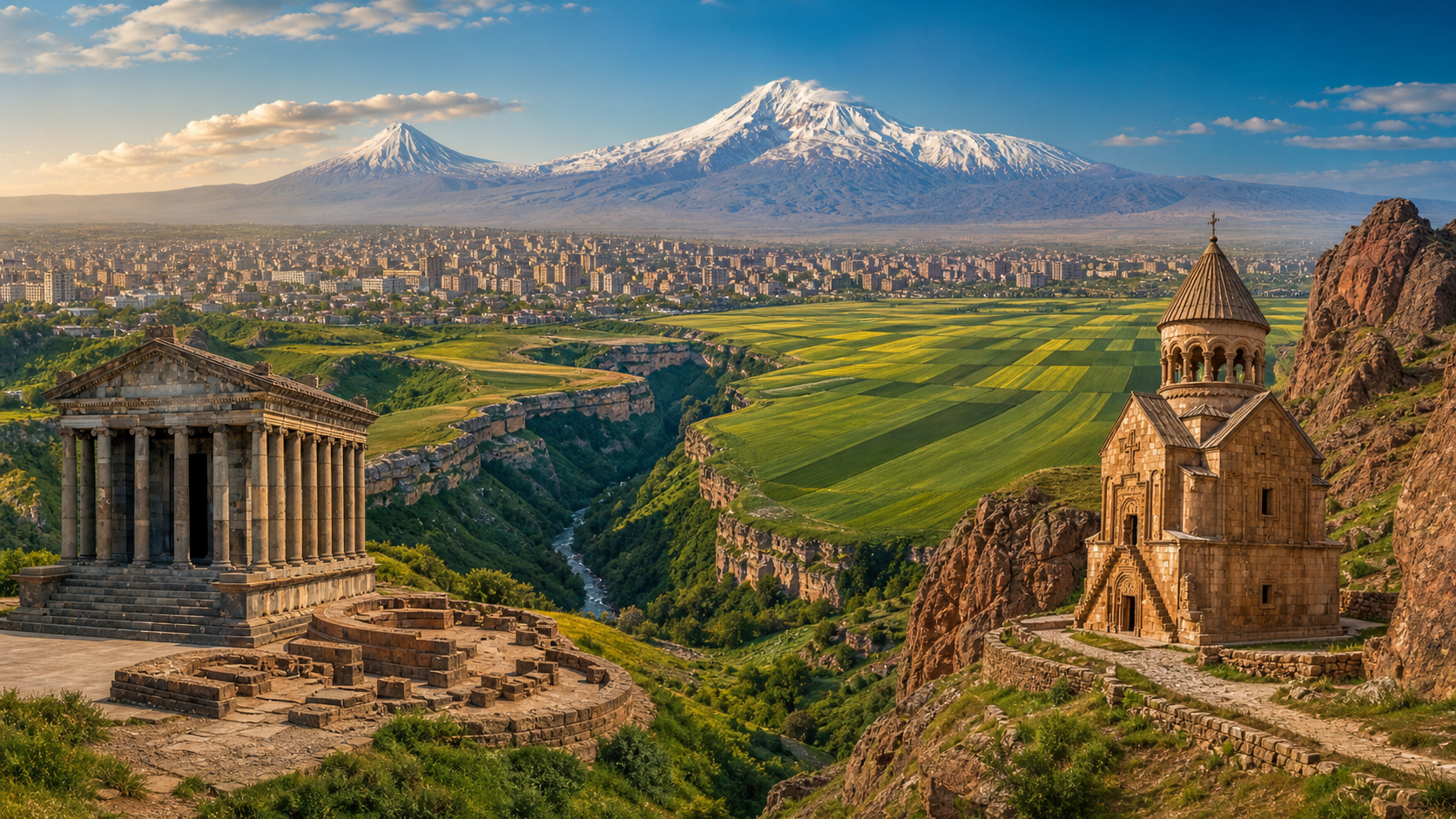
One of the few relatively flat areas in the country, the Ararat Plain is fertile and agricultural. The contrast here is striking: open fields with Mount Ararat dominating the horizon just across the border.
The Armenian Highlands and Cultural Identity
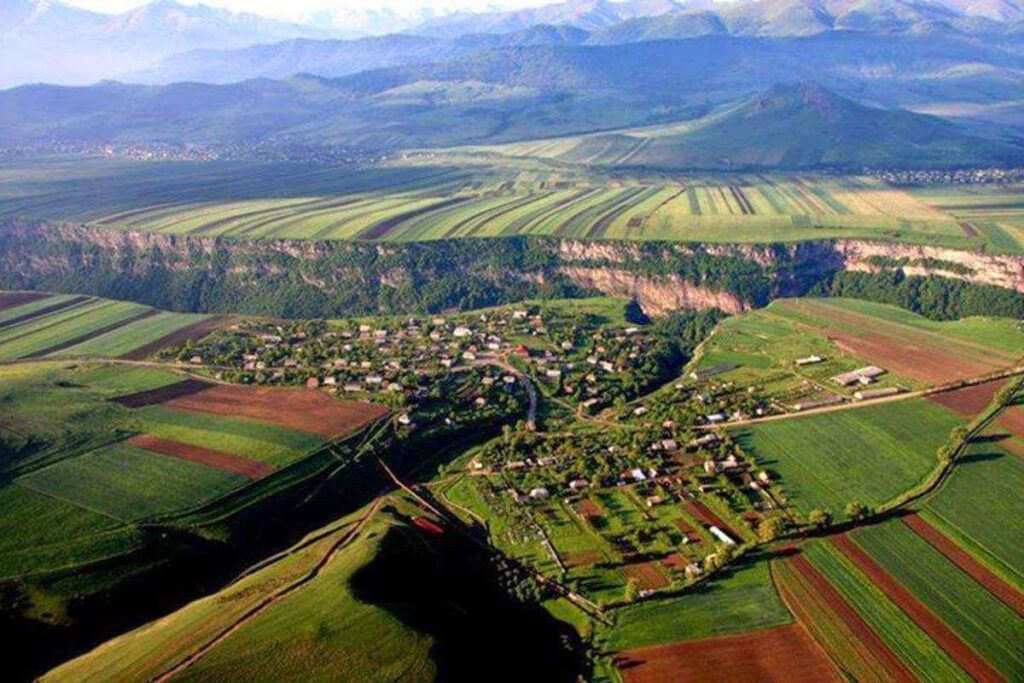
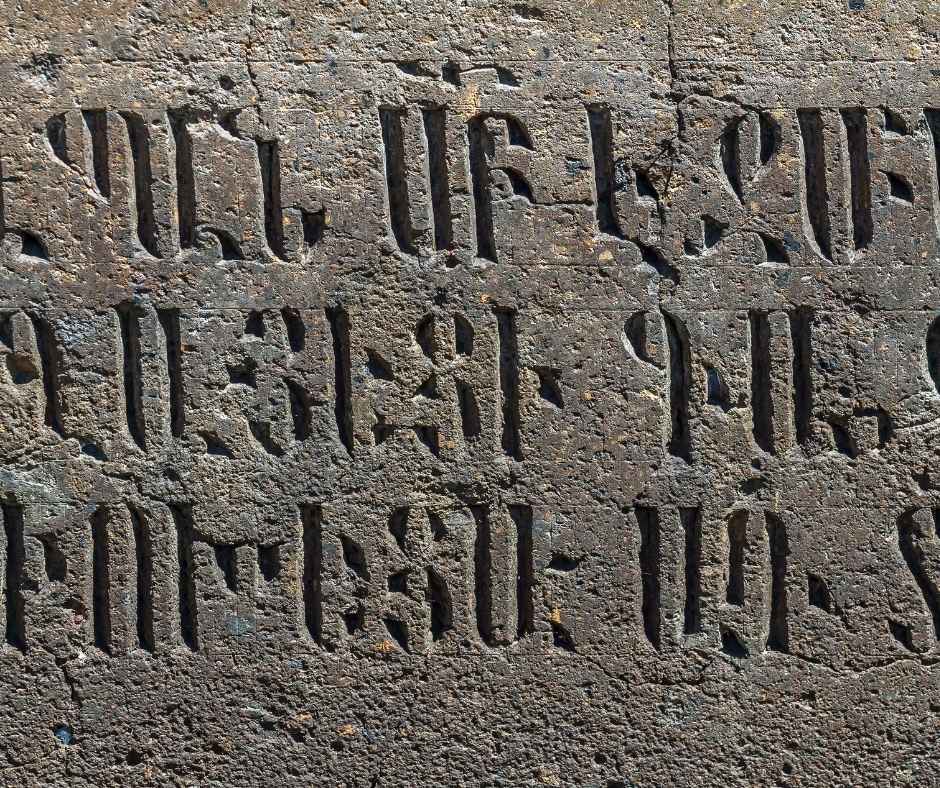
In Armenia, geography is a core part of national identity. Merchants, travelers, and empires passed through these mountains and valleys.
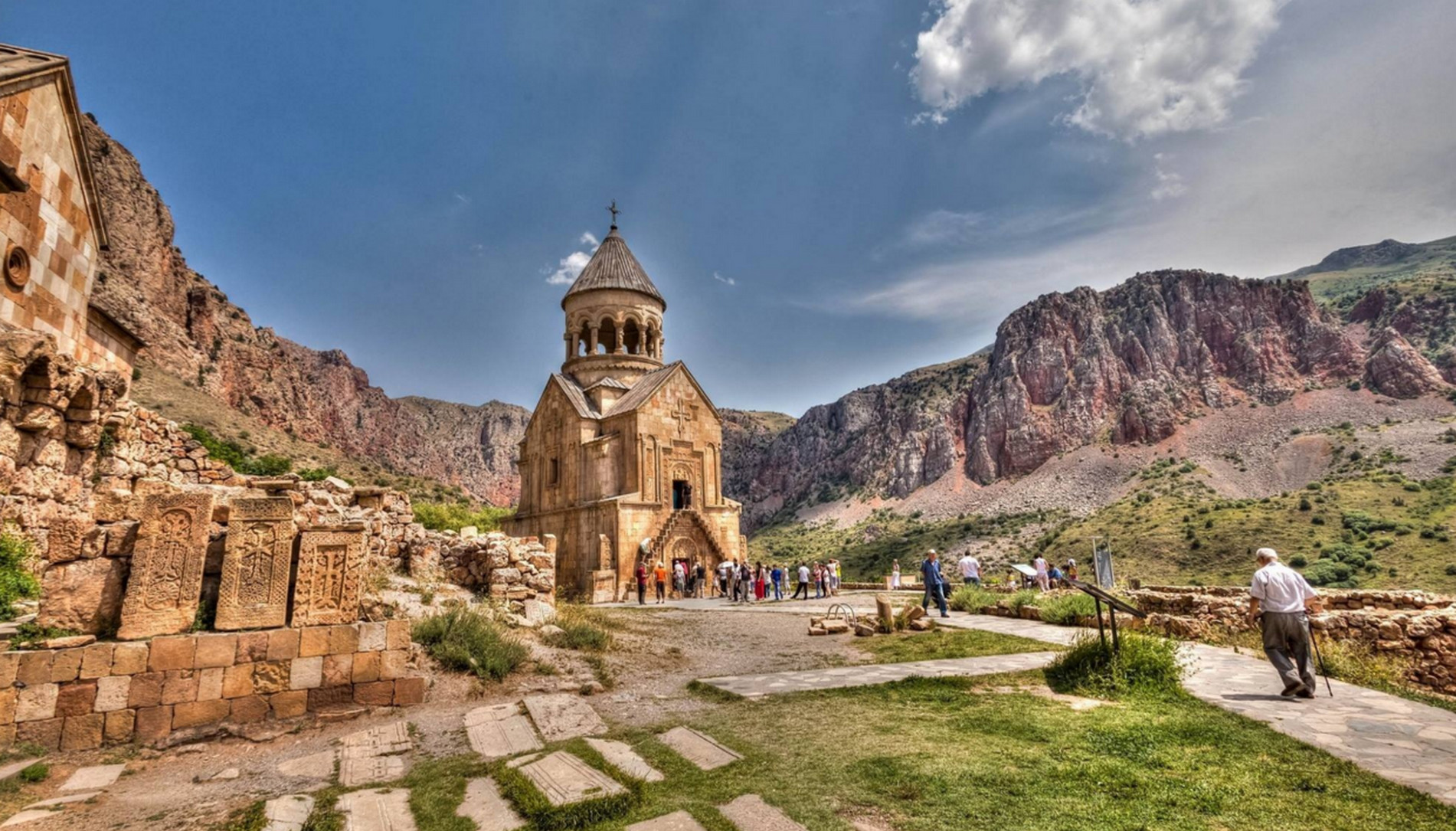
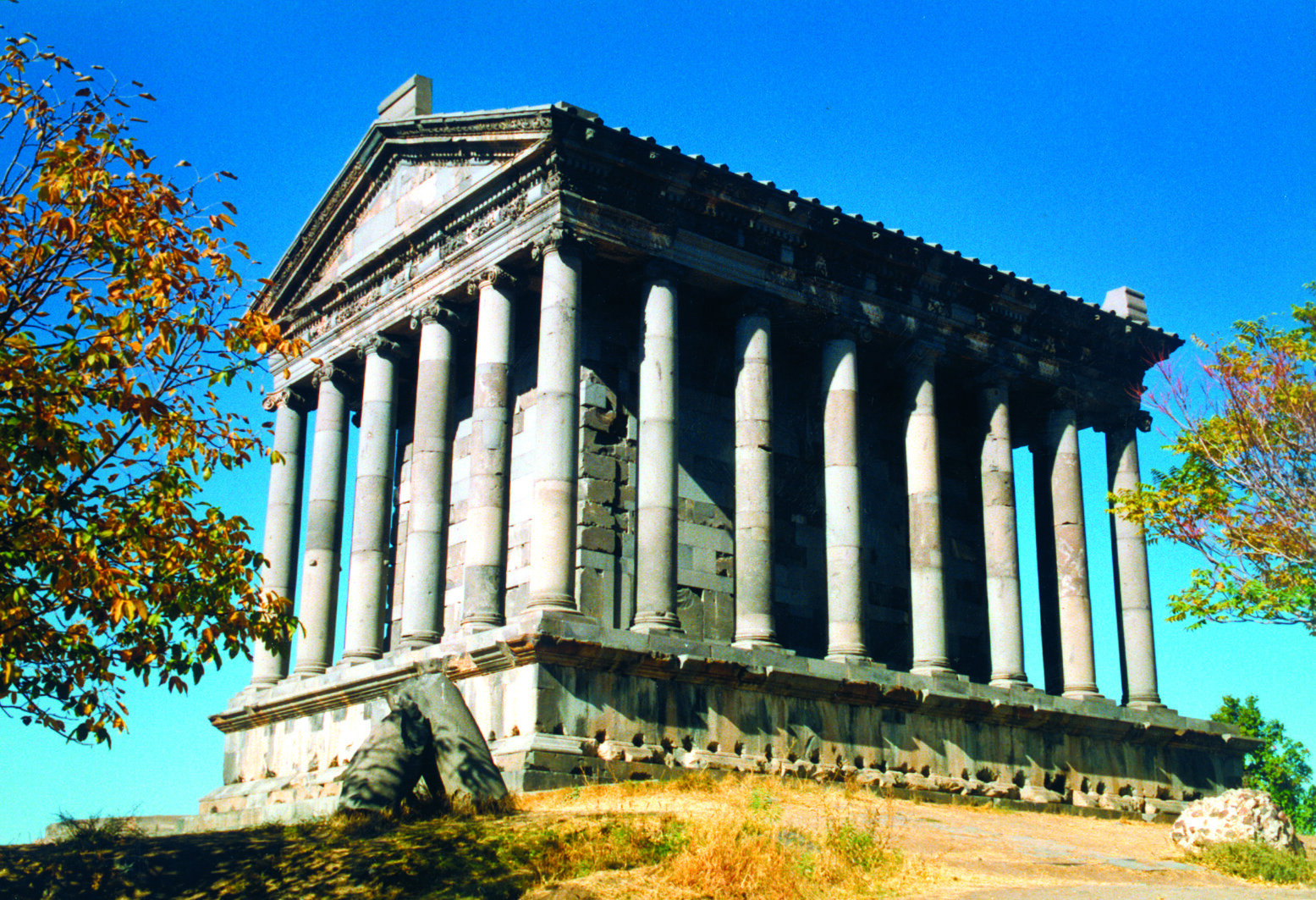
Many historic cities and monasteries were built in remote or elevated locations not only to be close to nature but also for defense purposes. It is the reason why so many UNESCO World Heritage Sites are found in dramatic natural settings rather than urban centers.
The land shaped everyday life, too. Mountain agriculture influenced Armenian cuisine, with dishes built around grains, herbs, dairy, and slow-cooked meats suited to high-altitude living.
Wine culture also developed in fertile valleys. Even settlement patterns reflect the terrain, compact villages, stone houses, and communities closely tied to the land around them. When traveling in Armenia, you can often see villages that are tucked between mountains, following the natural shape of the land.
Understanding Armenia’s geography helps explain its culture.
Why Location Makes Armenia Special for Tourists
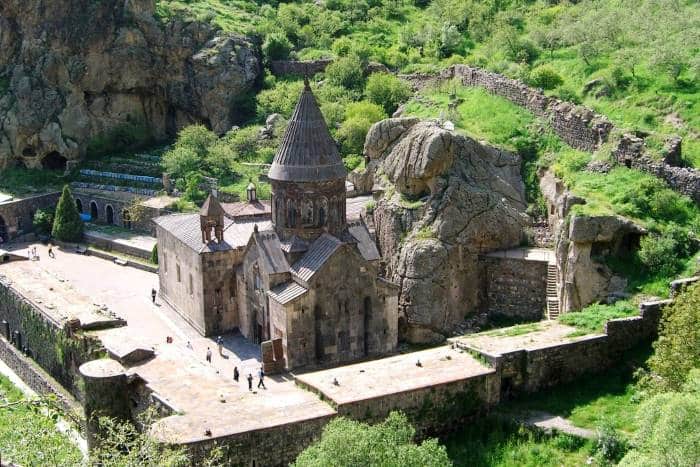
One of the biggest surprises about traveling in Armenia is how much you can experience in such a small country.
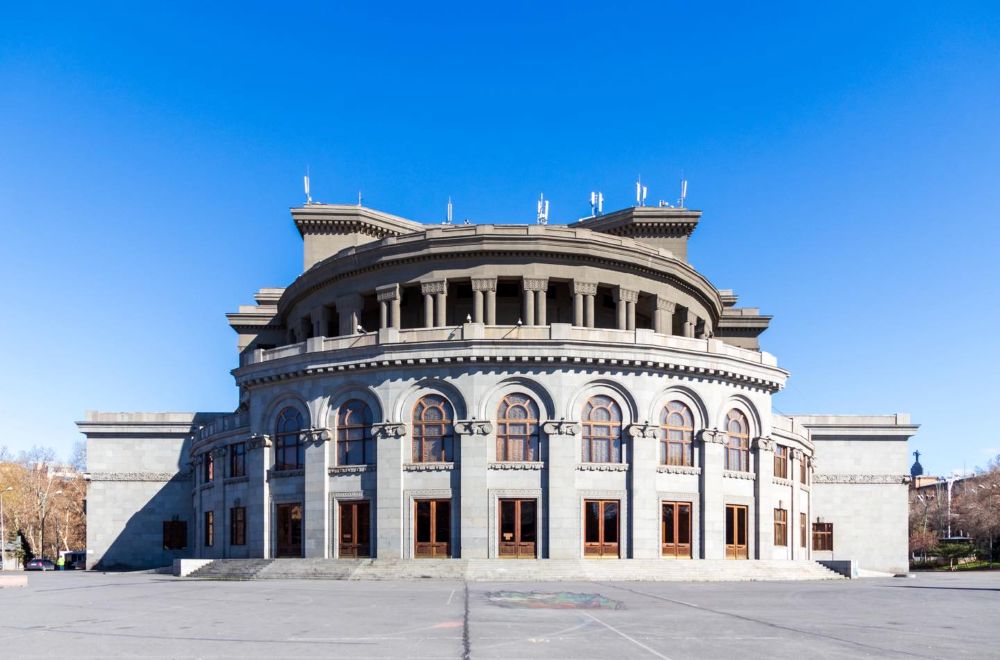
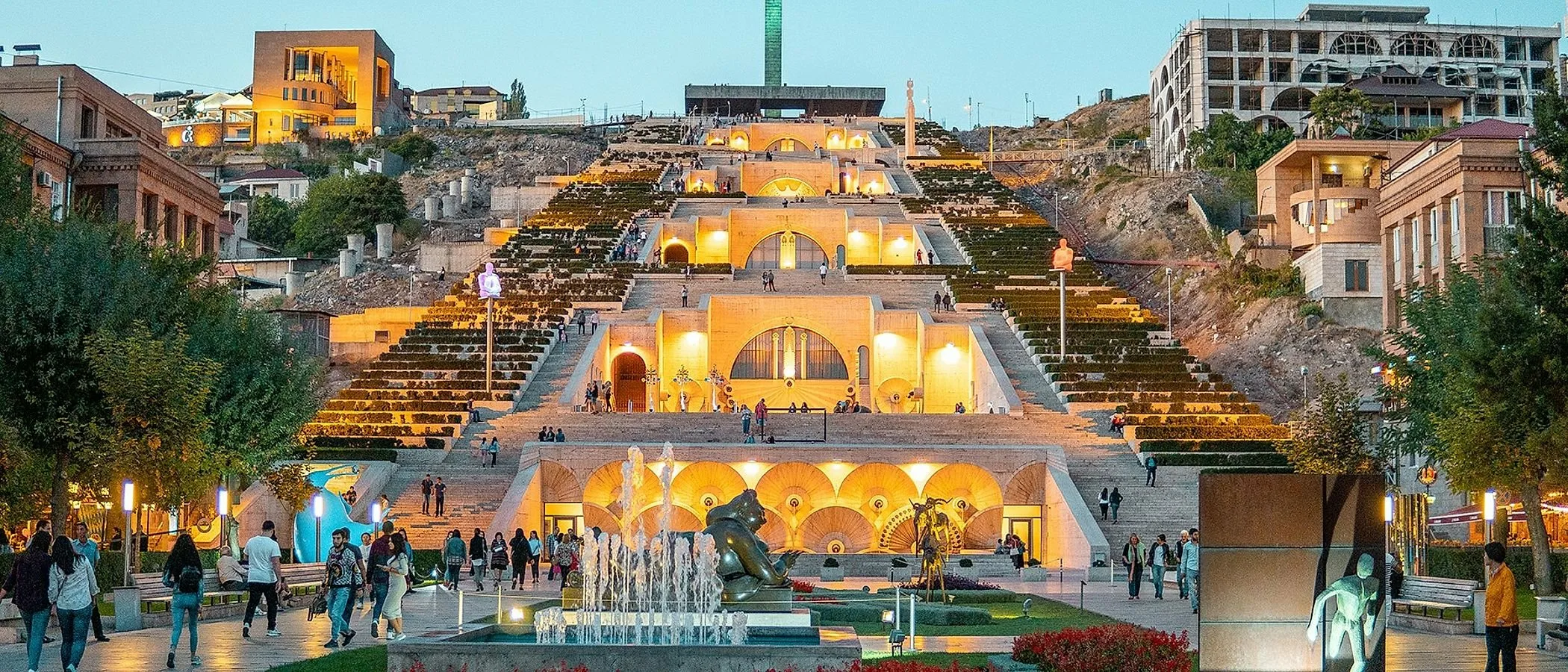
Distances are short, but the variety is impressive. In a single day, you can hike in the mountains, stop by a medieval monastery, have lunch by a high-altitude lake, and end the evening in a lively city café. Armenia’s compact size makes travel efficient and flexible.
Armenia’s location also makes it increasingly easy to reach. In recent years, air connectivity has grown significantly, with more frequent flights from Europe and the Middle East. For travelers from cities like Dubai, Doha, or major European hubs like Frankfurt or Paris, Armenia is now just a few hours away.
What Season is Good for Visiting Armenia?
What truly sets Armenia apart is how its terrain and elevation create four distinct travel seasons. Autumn is especially long and mild, perfect for cultural tours, wine routes, food festivals, and relaxed sightseeing.
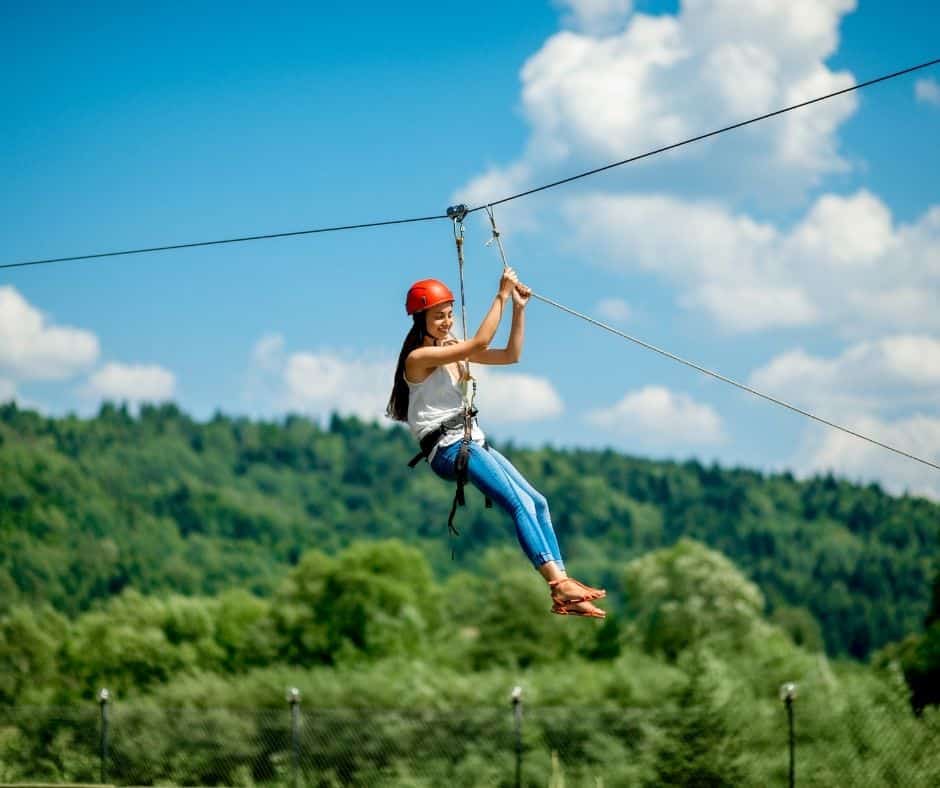
At the same time, active travelers can go mountain biking, hiking, or rafting in summer. In winter, skiing resorts come alive, while cities continue their cultural and gastronomic rhythm.
What Tours to Choose?
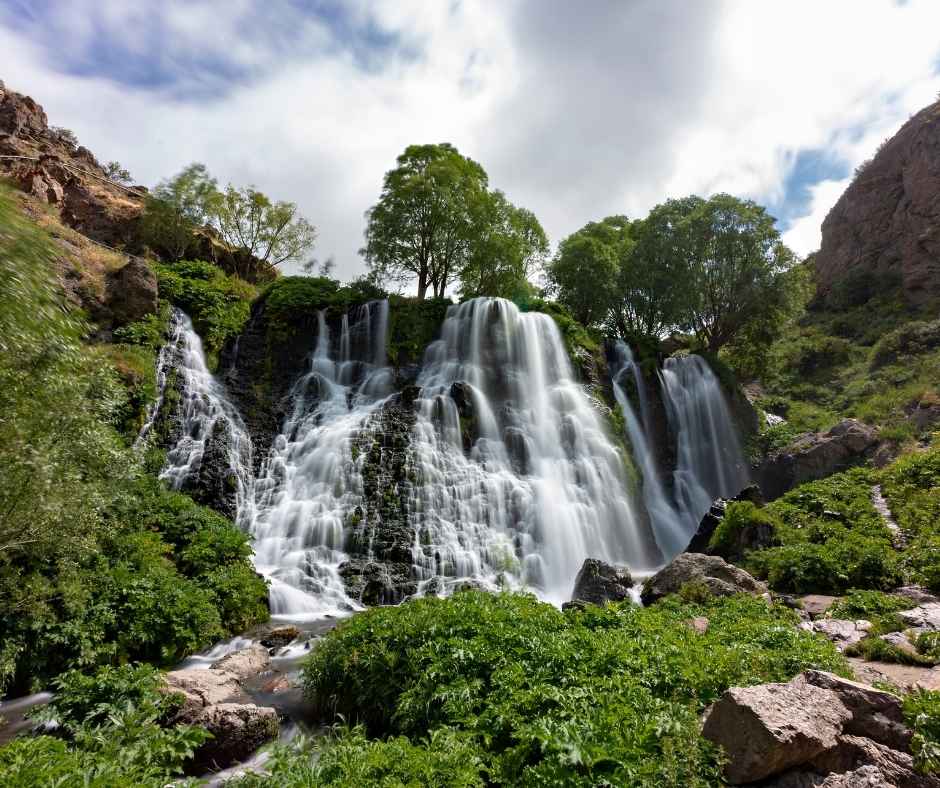
Armenia offers an unusually wide range of tour options. The best part is that many of them can be combined into one trip.
For first-time visitors, cultural, gastronomic, and wine tours are a perfect starting point. These tours focus on historic cities, ancient monasteries, traditional villages, local cuisine, and Armenia’s centuries-old winemaking traditions. They’re ideal for travelers who want to understand the country through its food, people, and stories.
If you’re curious about deeper history, archaeological tours take you far beyond the usual landmarks. From prehistoric cave complexes to medieval fortresses and early Christian monuments.
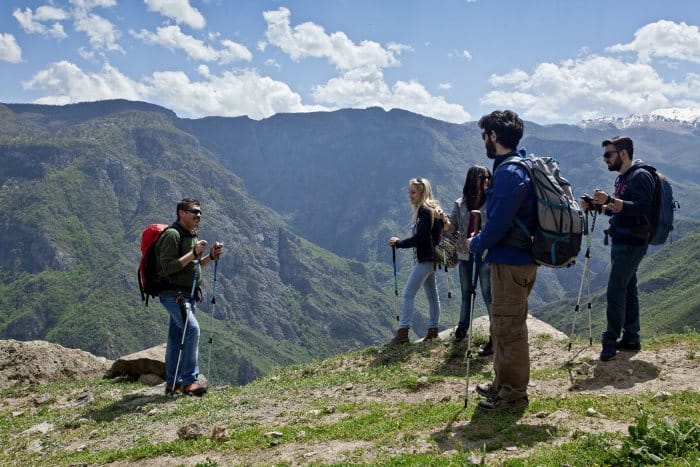
Nature and adventure lovers have plenty of choices too. Mountain biking (MTB) and hiking tours run through forests, alpine meadows, volcanic landscapes, and remote mountain passes.
Meanwhile, eco-tourism and rural tours focus on village life, nature reserves, and slow travel, offering a closer connection to local communities and landscapes.
If you doubt which tour to choose, you can contact Levon Travel to choose one from a long list or form your own itinerary.













)