
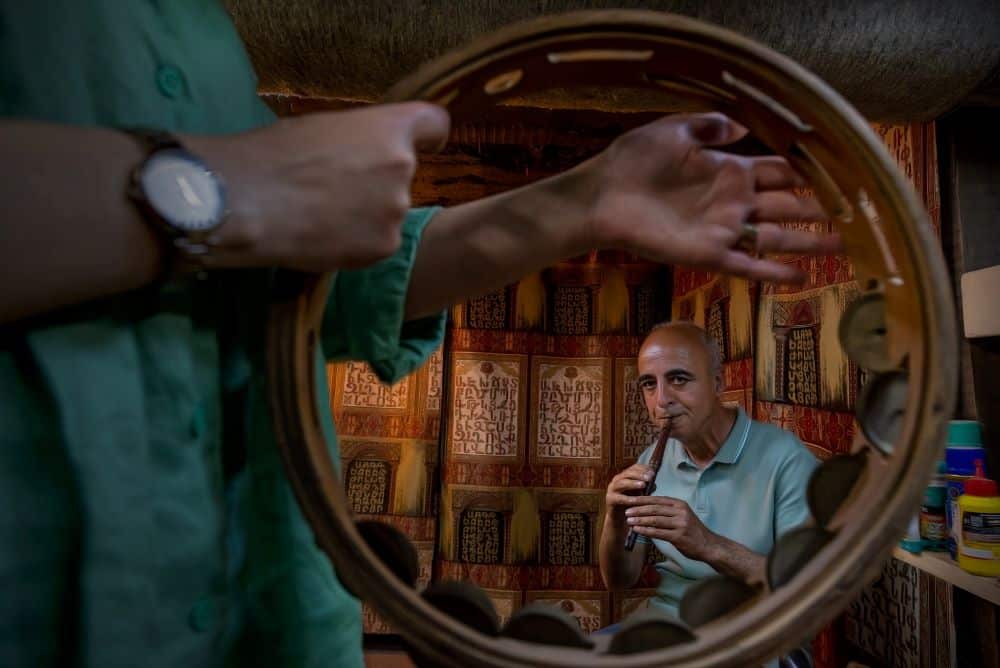
Armenian musical instruments make the country’s music instantly recognizable. They shape a sound that is deeply emotional, expressive, and closely tied to Armenia’s history and landscape.
Instruments like the duduk not only create melodies but also carry the stories of celebration, loss, and joy that have been passed down through generations.
Moreover, traditional instruments reflect Armenia’s landscape and emotions. For example, the duduk which is made from apricot wood. It carries the Armenian sound that is heard from the first tune and is made from a fruit that is a symbol of Armenia.
In this blog article, we will take a closer look at traditional Armenian musical instruments, explore their origins and meanings.
Duduk: Armenia’s Most Recognized Armenian Musical Instrument
When the sound of the duduk is heard, you can recognize it from the first tune. Its warm, breathy, and deeply expressive tone stands apart from any other instrument in the world.
The duduk is made from aged apricot wood and uses a large double reed to produce its unique sound. Traditionally played in pairs, one musician holds a steady drone while the other plays the melody.
This creates a rich, haunting musical experience that can feel both soothing and profound.
Its cultural importance is recognized around the world. In 2008, the duduk and its music were inscribed on UNESCO’s Representative List of the Intangible Cultural Heritage of Humanity, honoring its role in Armenian identity and musical tradition.
Duduk music is heard far beyond Armenia’s borders. Composers and filmmakers love its emotional depth. Moreover, it has been featured in major Hollywood soundtracks, including Gladiator, The Last Temptation of Christ, Blood Diamond, and many others, bringing its soulful sound to global audiences.
Zurna and Dhol
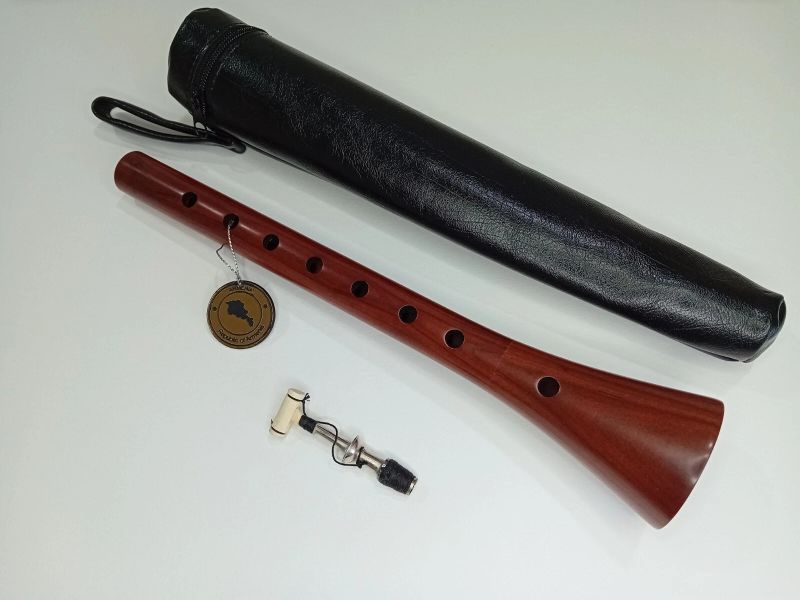
The zurna and dhol are the heartbeat of festive Armenian music. Loud, energetic, and impossible to ignore, these instruments seem to be made for open spaces and big gatherings.
The zurna is one of the oldest wind instruments in Armenian culture. The instrument is traditionally carved from apricot or plum wood and uses a double reed, producing a powerful tone that cuts through noise and movement.
The zurna is mentioned as early as the 9th century in the Armenian epic David of Sasoun, showing how deeply it is woven into Armenian history and storytelling.
The dhol is a double-headed drum that provides the rhythm and pulse. In Armenia, dhol is made of fruit wood, such as walnut or pear. In Armenia, this musical instrument is played with the fingertips. This technique gives the instrument a more dynamic, expressive, and lively sound.
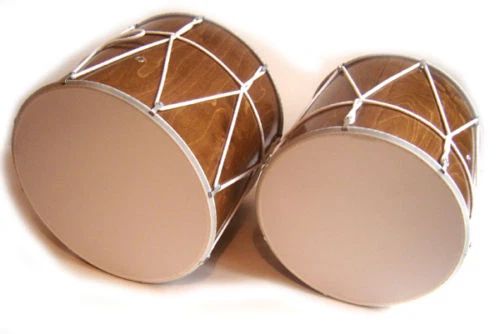
In Armenian folk music, especially during traditional dances, the dhol almost “speaks,” responding to the melody of the zurna and the movements of the dancers.
This duo is essential to Armenian folk music. The dhol drives the steps, while the zurna leads the melody, lifting dancers and listeners alike.
Kanon
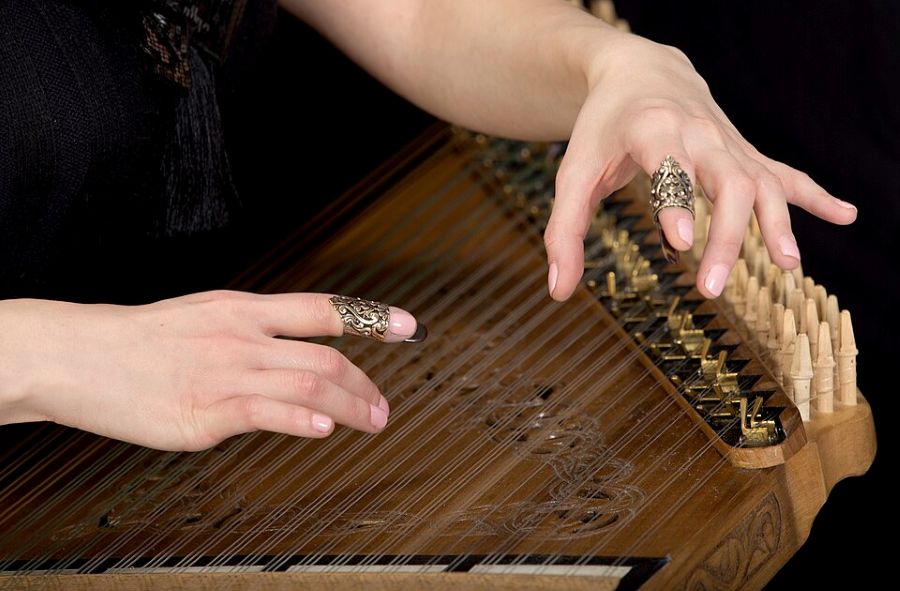
The kanon is one of the most expressive string instruments in Armenian traditional music. Known across the Middle East, the Armenian kanon has been part of musical life here since at least the Middle Ages and remains beloved today.
Shaped as a flat, trapezoidal box with many strings stretched across its surface, the kanon is played while resting on the musician’s lap. Each group of strings is plucked with small picks worn on the index fingers, creating a rich sound full of resonance and nuance.
In Armenia, the kanon has developed into both a solo instrument and a key part of folk ensembles. It provides harmonic depth and melodic sparkle that beautifully complement woodwinds like the duduk or the sharp tones of the zurna, and it blends naturally with other string and percussion instruments.
Learning the kanon takes dedication, but the instrument rewards players with a wide emotional range, from gentle, lyrical passages to rapid, rhythmic flourishes. Traditionally, Armenian musicians passed down kanon skills through generations, and today the instrument is taught in music schools.
Shvi and Sring
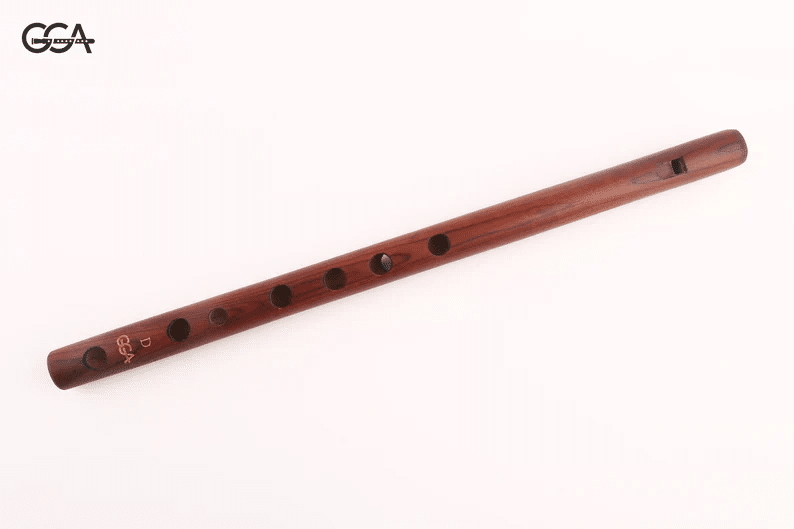
The shvi and sring are two traditional Armenian musical instruments. They bring a lighter, more pastoral color to Armenian music. Both are closely connected to rural life, nature, and the everyday sounds of the countryside.
The shvi is a small, hollow pipe traditionally made from reed or apricot wood. It has seven finger holes on the front and one on the back, with a whistle-like mouthpiece at the top.
Air is blown through a narrow slit, producing a bright, soft, and airy sound. Because of its gentle tone, the shvi is often used to perform folk melodies that feel calm and lyrical.
The sring belongs to the family of longitudinal flutes and is considered one of the most authentic Armenian instruments. The name appears in early Armenian texts, including biblical translations and historical writings.
According to Komitas, the sring best reflects the musical soul of the Armenian people. It is an open-ended tube made from bone, reed, wood, or metal. Traditionally, the sring was used for shepherd melodies, songs, and dance tunes.
Armenian Musical Instruments in Modern Armenia
Travelers in Armenia have many opportunities to experience traditional Armenian music live, not only in concert halls but in everyday settings.
Armenian music is very much part of daily life. Many traditional restaurants host live performances in the evenings, where folk ensembles sing, play, and dance while guests enjoy national cuisine.
One of the most recognizable sounds travelers may encounter is the dhol. In Armenia, the loud rhythm of the dhol usually means a wedding is happening nearby. If you hear energetic drumming and joyful voices echoing through the streets, you can be sure that a celebration is taking place.