
Armenia may be small on the map, but when it comes to plants and trees, it’s a true giant.
If you like finding interesting wildflowers and herbs and want to see an astonishing variety of plants and herbs, come to Armenia. Numerous plants thrive in its valleys, meadows, and high-altitude slopes.
According to some sources, there are over 3,500 species of plants, and many of them are unique to the region. So, Armenia is rich in biodiversity, and this means colorful landscapes that change dramatically from one region to another.
If you are a nature lover and want to explore Armenian plants, this blog is for you.
Armenia’s Biodiversity and Climate Zones
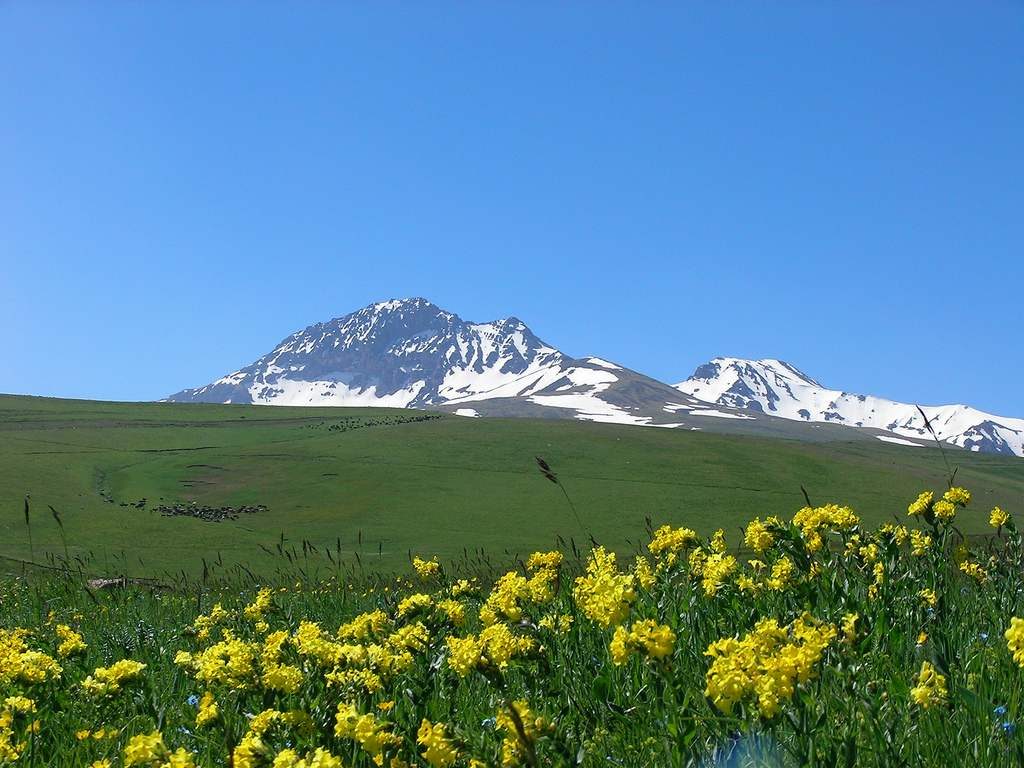
Armenia’s terrain is remarkably diverse: mountains, valleys, rolling semi-deserts, and lush alpine meadows. Altitude range is from around 400 m in the lowland Ararat plain up to peaks above 4,000 m. Thanks to this altitude, there are different climate zones that support dramatically different plant communities.
In the hot, dry Ararat plain and foothills, hardy desert and steppe species dominate—sagebrush, saltworts, wormwood, and drought-tolerant shrubs.
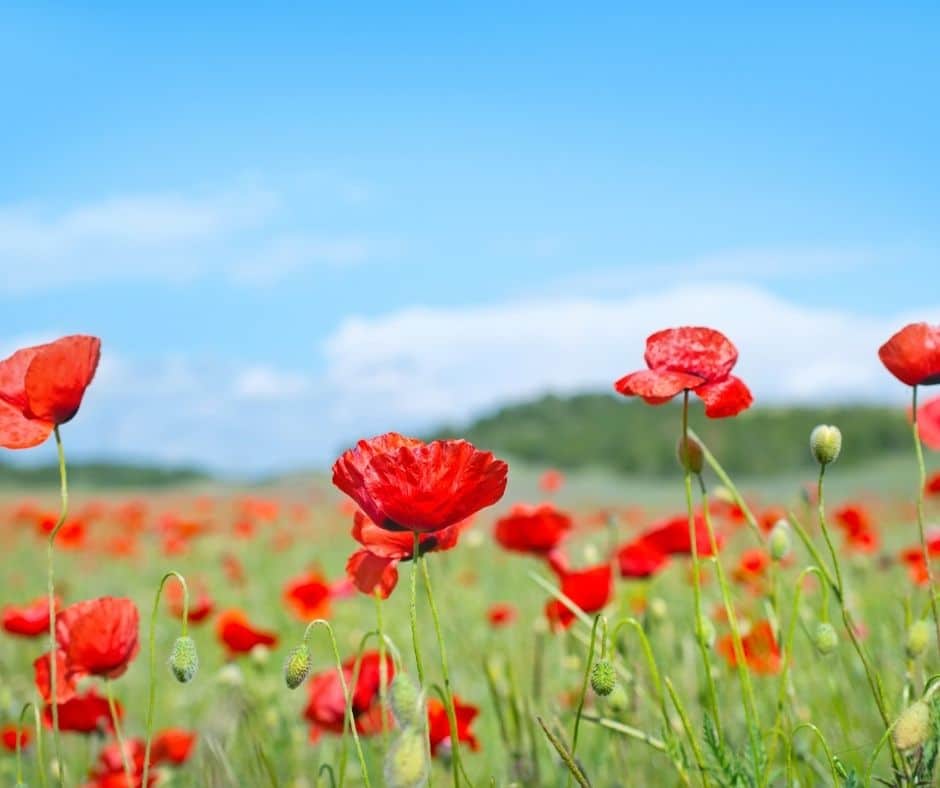
As you climb into the foothills and mid-mountain zones, there are oak and juniper forests. Here in spring, you can find wild poppies, iris, and early tulips. At still higher elevations in regions like Lori and Syunik, the forest gives way to subalpine and alpine meadows.
Edelweiss, gentians, and rock-loving wildflowers can be seen here. It’s important to note that Armenia has some 144 endemic plants found nowhere else.
For botanists and nature lovers, it’s a chance to encounter rare and endemic species.
Armenian Herbs
When it comes to herbs, they have long been valued for their healing use. Moreover, they are part of Armenian cuisine, as Armenians are known for eating a lot of greens and herbs.
For centuries, wild plants have been gathered in spring and early summer. They have become both medicine and food on Armenian tables. Cooking techniques have been preserved and Armenian families, especially in rural areas, still prepare many dishes with herbs.
Armenia counts more than 300 edible herbs, alongside around 290 types of mushrooms. Some of the plants, such as sickleweed, foxtail lily shoots, wild asparagus, and astrodaucus, are a part of the diet. They are added to soups or cooked simply with oil and onions or egg.
They are sold in Yerevan as well. If you walk near open markets or vegetable stores, you will see a lot of herbs.
Herbs like tarragon, coriander, basil, and parsley remain everyday ingredients. Armenia use them in meat dishes, salads, and in wraps with tomatoes and cheese. Greens are so central that many Armenian meals would feel incomplete without them.
Herbs also hold a place in the cup. Today, herbal teas are experiencing a revival. Thyme, mint, oregano, and ziziphora are among the most popular picks. These teas are not only comforting but also tied to folk healing traditions, used for digestion, colds, and relaxation.
Traditionally, Armenians harvested herbs at their peak bloom and carefully dried them in cool, shaded spaces to preserve their healing power. Bundles were stored in jars or cloth sacks, each herb kept separate for its purpose. Even now, many Armenian households keep dried herbs at home for cooking and teas.
Where to Experience Armenia’s Flora
If you want to see Armenian plants, you have to choose the season for visiting Armenia wisely. Of course, spring, in particular May, is the best season to see fields of wildflowers. However, there are also botanical gardens, and regardless of the season, it’s worth visiting.
Yerevan Botanical Garden is the country’s main research and conservation center. It’s located around a 15-minute drive from downtown Yerevan. The botanical garden is home to thousands of plant species, including rare and endangered ones.
It gives visitors the chance to walk through diverse zones that reflect Armenia’s varied climates. By the way, locals love it as they can come here for a picnic, ride a bicycle, or visit the greenhouse.
Another site is the Stepanavan Dendropark, located in the forests of Lori Province. It is also known as Sochut Dendropark, it is an arboretum where both local and exotic trees thrive.
Beyond these dedicated spaces, Armenia’s landscapes themselves are open-air museums. For example, the Dilijan National Park with thick oak and beech forests, wildflower-filled clearings, and countless medicinal herbs.
For an alpine landscape, the slopes of Mount Aragats burst into color when the snow melts. They are covered by gentians, saxifrages, and other mountain flowers. And sometimes the most enchanting sights are found close to the capital: in late spring, poppy fields not far from Ashtarak (around a 30-minute drive from Yerevan) light up the countryside.
Sustainable Tourism in Armenia
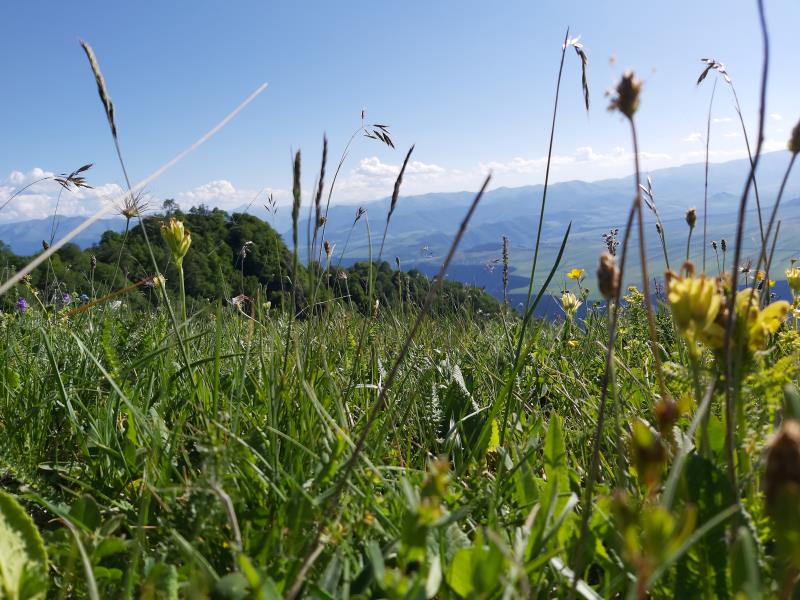
Armenia’s rich flora is not only a treasure for locals but also a responsibility for everyone who comes to enjoy it. Preserving these species is essential, as they carry ecological, cultural, and even medicinal value.
In recent years, sustainable tourism has become one of the most popular ways to explore Armenia. Hiking, birdwatching, and botanical tours allow travelers to enjoy nature.
There are several natural reserves, such as Khosrov Forest State Reserve, Arevik National Park, and Dilijan National Park are now key destinations for eco-conscious travelers. Moreover, over 13% of Armenia’s territory is the specially protected natural areas. It’s done to preserve biodiversity while offering trails and guided tours that showcase Armenia’s unique plant life.
There is a growing demand for eco-tours and Armenian travel agencies now design special packages that combine hiking with other activities. For example, those interested in birdwatching or plants can have a custom-made tour based on their preferences and budget.