
Many travelers first discover the country with a simple question: “Where is Armenia?” Search trends show that thousands of people around the world are still figuring out its exact location.
However, the next natural question is just as important: “Is Armenia Safe to Visit?” It’s a practical concern, especially for first-time visitors.
Some have concerns because the country has been in the headlines for recent years. If you ask, “Is Armenia safe for tourists?”, the short answer is yes, but this blog will go a little deeper to show that the country is safe both for solo tourists and groups.
Is Armenia in Europe or in Asia?
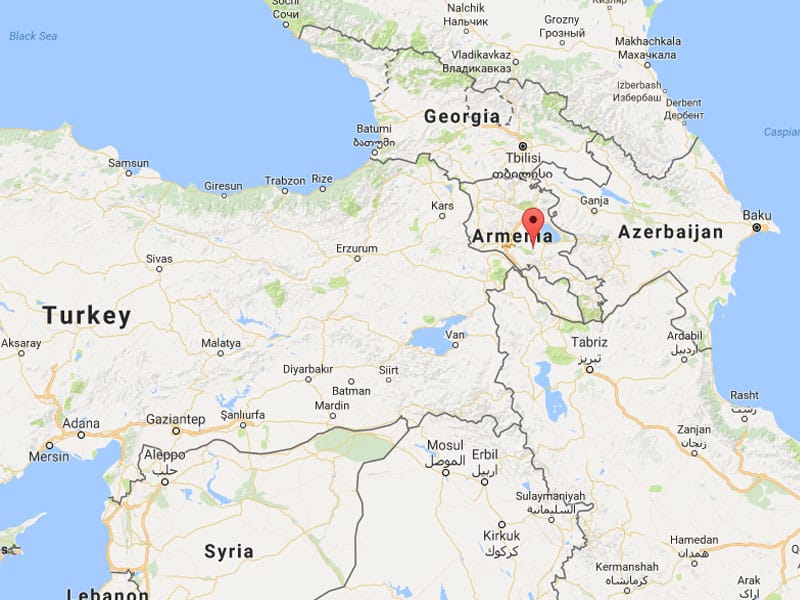
One of the most common questions travelers ask is whether Armenia is in Europe or Asia. Geographically, Armenia is located in the South Caucasus, a region situated between the Black Sea and the Caspian Sea.
This area lies at the boundary of Eastern Europe and Western Asia. This is the reason why Armenia is often described as being at the crossroads of both continents.
Culturally, Armenia is a European Christian country. Visitors will notice that social norms are generally liberal and relaxed. There are no strict dress codes, no restrictions on where visitors can go, and no prohibitions on everyday lifestyle choices.
In cities like Yerevan, you’ll see a modern European atmosphere with open cafés, nightlife, contemporary fashion, and public events.
Yes, it is. Armenia is generally considered safe and welcoming for solo travelers, including women. Many visitors describe feeling comfortable exploring cities, using public transport, and walking around cultural sites independently.
Is Armenia Safe for Solo Travelers?
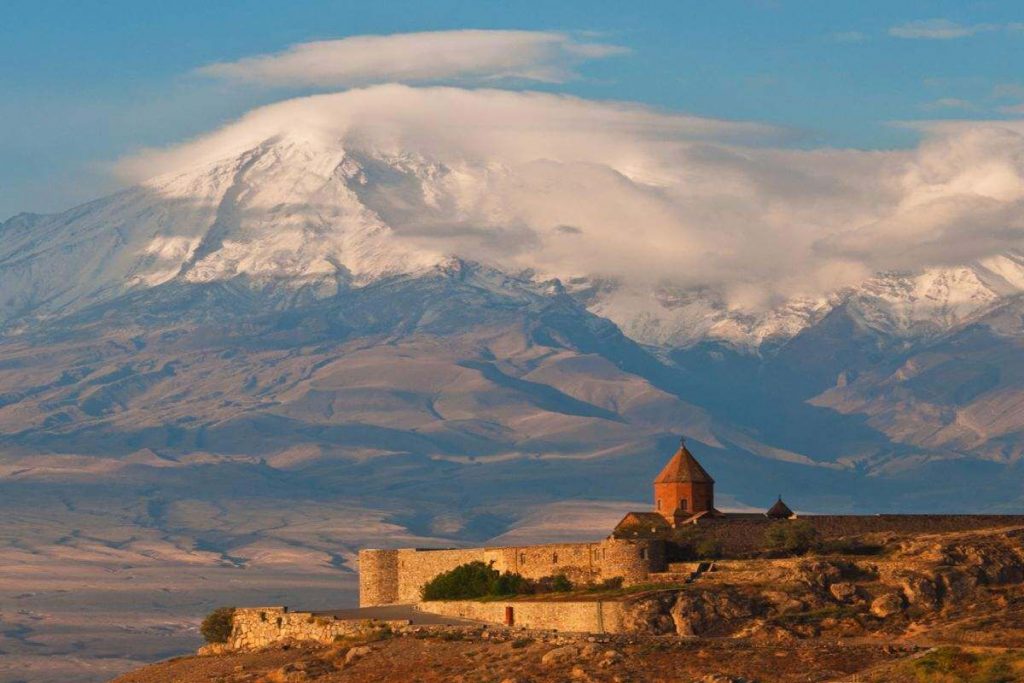
Yerevan, in particular, has a relaxed, café-centered atmosphere where people gather late into the evening, creating a lively yet calm environment.
One of the strongest factors contributing to solo travel friendliness is Armenia’s deeply rooted hospitality culture.
Armenians are known for treating guests with warmth and respect. In rural areas, this hospitality can feel even more pronounced. If you happen to get lost on a country road or experience car trouble, it’s common for passersby to stop and offer help. Strangers may approach you simply to make sure you’re okay.
It’s also not unusual to be invited for a cup of coffee by someone you’ve just met. While normal travel precautions always apply, many solo travelers find Armenia to be surprisingly welcoming and supportive.
Armenia Travel Advisories
Before traveling anywhere, it’s always wise to check official travel advisories issued by your home country.
If you are unsure about the current situation in Armenia, you can monitor updates provided by your government’s foreign affairs department. These advisories are regularly updated and offer practical guidance about safety, regional conditions, entry requirements, and recommended precautions.
For example, travelers from the United States can review information published by the U.S. Department of State, while visitors from the United Kingdom can consult travel advice issued by the UK Foreign Office. Similar resources are available for citizens of EU countries, Canada, Australia, and others.
Armenia’s Safety Index and Crime Rate
According to the latest data from the global crowd-sourced database Numbeo’s Safety Index, Armenia is ranked among the top safest countries in the world.
Armenia is placed within the top 10 globally with a safety score of about 77.9. This means that, compared with other countries, Armenia has relatively low levels of reported crime and a higher perception of safety from both locals and visitors.
Looking specifically at crime data, Armenia generally shows low rates of violent crime and property crime.
Health and Transportation Safety
When planning a trip, practical concerns such as health and transportation matter just as much as sightseeing.
Road conditions vary depending on location. In Yerevan and on main highways connecting major cities and tourist destinations, roads are generally in acceptable condition.
However, in rural or mountainous areas, secondary roads may be less maintained. If you plan to explore remote monasteries or travel beyond main routes, renting a jeep or SUV is a smart choice.
Taxi safety is reliable, especially when using licensed mobile apps such as GG or Yandex (local Uber). These platforms are widely used, transparent in pricing, and convenient for visitors.
Public transport in Yerevan is affordable but can sometimes be overcrowded during peak hours. Still, it functions regularly and is commonly used by locals.
Regarding food and water safety, tap water in Armenia is drinkable, and many locals use it daily. That said, stores offer a wide variety of bottled water options.
Food is not only safe on the whole but also famously delicious. Small family-run cafés and restaurants are generally safe places to eat.
Medical assistance is available in hospitals across the country, and some doctors speak English. However, when traveling to a new country, it’s better to have travel insurance.
Emergency Numbers
In case of an emergency while traveling in Armenia, you can quickly reach help by dialing short universal numbers from any phone.
For medical, police, fire, or rescue services, dial 108 or 911, which operate 24/7 and are free from both landlines and mobile phones.
Specific services include 102 for police, 103 for ambulances, and 104 for gas emergency service. These emergency contacts are widely used across the country and can be called anytime you need urgent assistance.
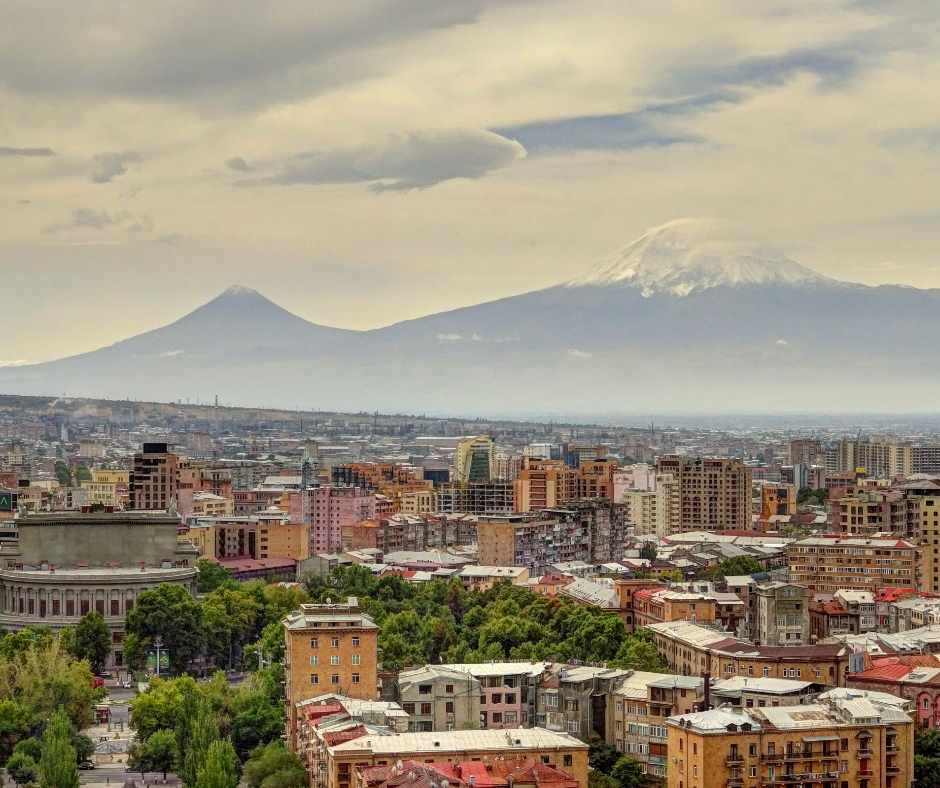
Is Armenia Safe for Tourists?
Yes. Armenia is considered one of the safer countries in the region, with low violent crime rates and a high safety index ranking. Tourist areas operate normally.
Is It Safe to Travel to Armenia with Kids?
Yes. Armenia is family-friendly, people love children here, and you can take them anywhere. There are safe public spaces, welcoming locals, and many cafes and places for children.
Are People in Armenia Friendly?
Armenians are known for their hospitality. Visitors are often warmly welcomed, offered help if needed, and sometimes even invited for coffee or a meal.