
Every country has certain facts, landmarks, or traditions that make it popular. In the case of Armenia, there are fascinating facts, stories, and unique features that many people around the world may not yet know.
Some of them are deeply rooted in ancient history, while others are cultural elements that continue to shape Armenia’s modern life. Together, they form the identity that makes Armenia stand out.
So, what is Armenia known for? In this blog, we will explore the key facts, traditions, and highlights that make Armenia increasingly popular before you book a tour (and we are sure you’ll do).
#1 The First Christian Nation
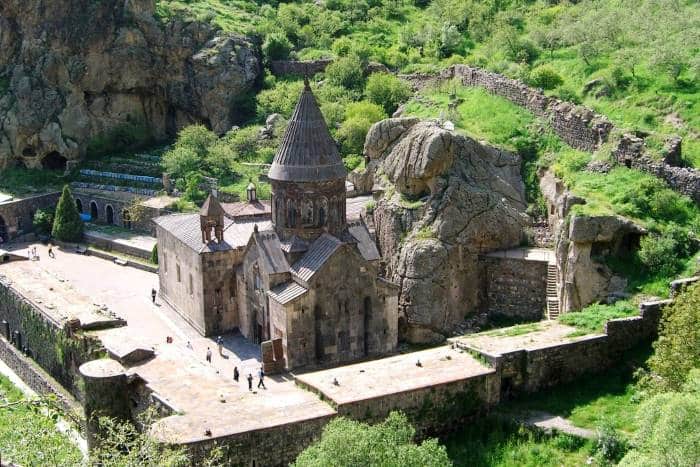
Armenia is considered the first nation to adopt Christianity as a state religion in 301 AD. This happened under King Tiridates III, after his conversion through Gregory the Illuminator.
Long before Christianity became official in the Roman Empire, Armenia had already made it part of its national identity.
Today, this legacy is visible everywhere. Ancient monasteries such as Geghard Monastery, Tatev Monastery, and Khor Virap stand across dramatic landscapes, attracting cultural travelers from around the world.
These sites are not only religious landmarks but also architectural and historical treasures.
#2 Mount Ararat

One of the most iconic images associated with Armenia is Mount Ararat. Although the mountain itself lies just across the border in Turkey today, it remains deeply connected to Armenian culture, history, and identity. parts
Ararat is often linked with the biblical story of Noah’s Ark, traditionally believed to have come to rest on its slopes.
Around Armenia, there are numerous viewpoints where you can admire this famous backdrop.
#3 Yerevan – One of the World’s Oldest Capital Cities
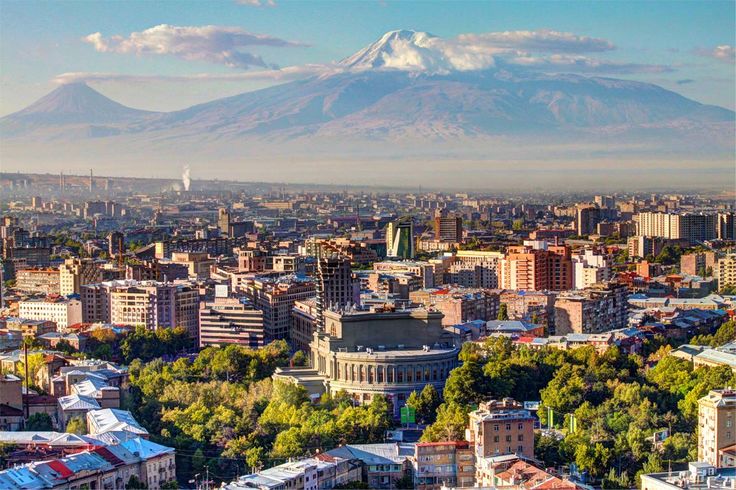
Yerevan, the capital of Armenia, is known as one of the oldest continuously inhabited cities in the world.
Its official history begins in 782 BC when the Urartian king Argishti I founded the fortified settlement of Erebuni. This makes it about 29 years older than Rome, a fact Armenians proudly celebrate.
Of course, when you walk the streets of Yerevan today, you won’t see ruins as extensive as in Rome. Still, traces of its long history remain, including the Erebuni Fortress and numerous museums and archaeological sites.
#4 Famous Armenians in Popular Culture

Another reason Armenia is widely recognized around the world is its globally known personalities. In popular music, legends like Charles Aznavour became international icons, while Cher proudly represents her Armenian roots.
Kim Kardashian, who is Armenian on her father’s side, has also brought global visibility to Armenia through her platform.
In rock music, Serj Tankian, lead singer of System of a Down, has consistently highlighted Armenian identity in his work.
#5 World’s Oldest Winery
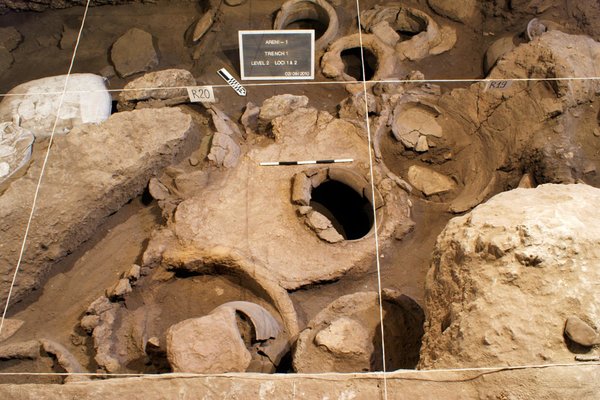
Armenia is also known for something remarkable in the world of wine. In 2011, archaeologists discovered what is considered the world’s oldest known winery in a cave near the village of Areni.
The site, known as the Areni-1 Cave, dates back more than 6,000 years. Inside the cave, researchers found wine presses, fermentation vats, grape seeds, and storage jars.
This discovery proved that organized winemaking was already practiced in Armenia in ancient times. By the way, in modern Armenia, the Areni region remains one of Armenia’s main wine-producing areas.
#6 Armenian Hospitality
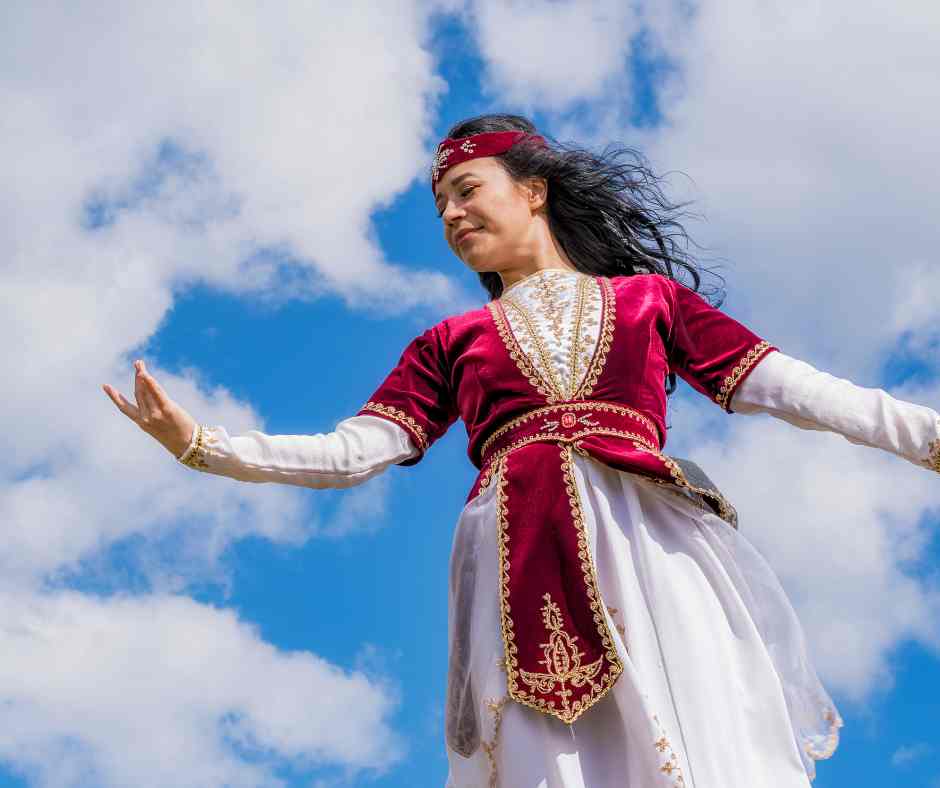
One of the first things visitors notice in Armenia is the warmth of its people. Armenian hospitality is not just a stereotype but a cultural value.
It is common to be offered coffee, fruit, or even a full meal when visiting someone’s home. In rural areas, this hospitality can feel even stronger. If you stop to ask for directions, people may walk with you to make sure you find the right place.
If your car breaks down, passersby often stop to help without hesitation. Besides, Armenians love children, so it’s one of the best places if you’re traveling with kids.
#7 Armenian Communities
Another reason Armenia is known globally is its large and vibrant diaspora. If you live in LA or in Paris, you might have heard about the local community.
Armenia itself has a population of around 3 million; there are tens of millions of people of Armenian descent living outside the country. The communities were mainly formed after the Armenian Genocide, when thousands of Armenians were scattered around the world.
Some of the biggest Armenian communities are found in the United States, Russia, and France.
#8 Armenian Stonehenge
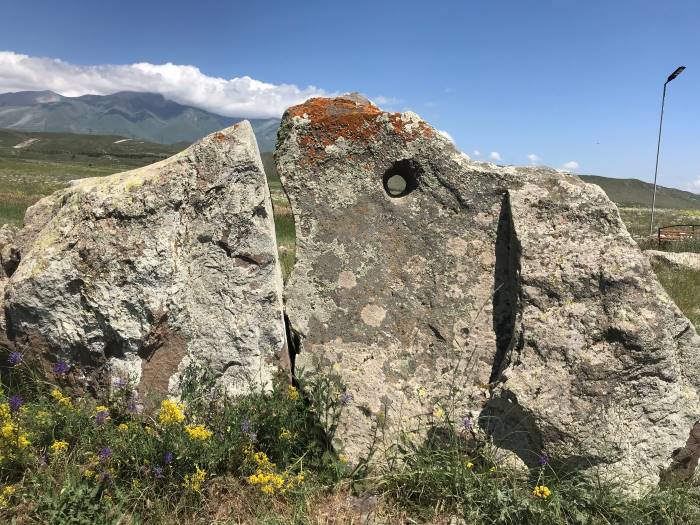
Armenia has its own “Stonehenge,” known as Carahunge, also called Zorats Karer.
It earned the nickname “Armenian Stonehenge” because of its large standing stones arranged in a circular formation. Some of these stones have small round holes, which led researchers to believe the site may have been used as an ancient observatory.
Karahunj is believed to date back thousands of years, possibly even earlier than Britain’s Stonehenge. While its exact purpose is still debated, many think it had astronomical or ritual significance.
#9 UNESCO Sites
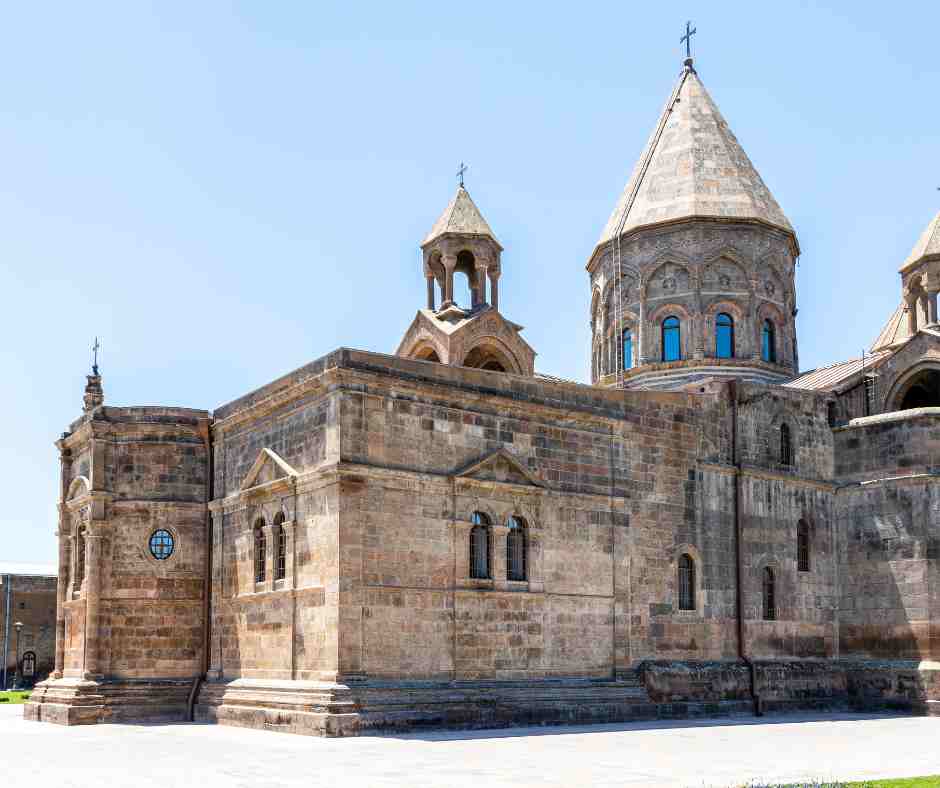
Armenia is home to several sites recognized by UNESCO for their outstanding cultural value. These landmarks highlight the country’s deep historical and architectural heritage.
Those are Geghard Monastery, the Monasteries of Haghpat and Sanahin, and the Cathedral and Churches of Echmiatsin, together with the archaeological site of Zvartnots.
These UNESCO-listed monuments represent medieval Armenian architecture at its finest. Stone carvings, ancient domes, and dramatic natural surroundings make them unforgettable.
# 10 Lavash

Last but not least, one of the most beloved symbols of Armenia is lavash, the traditional Armenian flatbread. Lavash is baked in a tonir (underground clay oven) and has been part of Armenian life for centuries.
In 2014, lavash was inscribed on UNESCO’s Representative List of the Intangible Cultural Heritage of Humanity.
Soft, thin, and versatile, lavash is served with almost every meal. It is wrapped around cheese, herbs, or grilled meat. It is more than food; it is a cultural experience.