Historic Armenia Tours: Discover the Ancient Sites That Tell Armenia’s Story
Why is Armenia a paradise for history lovers? Traveling through the country often feels like moving through several different periods of history in a few days. One tour can take you from prehistoric settlements to Urartian fortresses, early Christian churches and medieval monasteries.
The country is also full of places connected to old routes and archaeological sites that continue to reveal new details about life in the region thousands of years ago. Many of these places are surrounded by mountains, valleys and small villages, which makes the journey itself part of the experience.
Historic Armenia tours give travelers the chance to explore these layers of history not only in museums, but at the places where they actually happened. In this blog, we will see how to plan a trip for history lovers.
Places to Include in Historic Armenia Tour

There are places where history textbooks come alive. In Armenia, there are some places that inspire awe because of their age, scale, and the stories they carry.
Erebuni Fortress
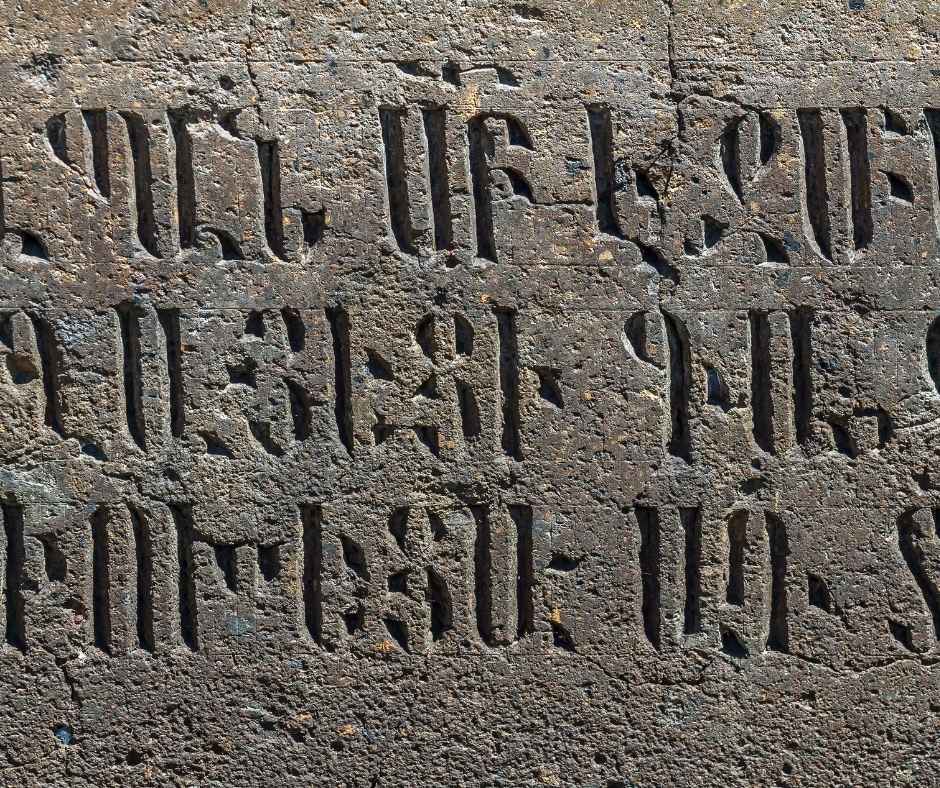
Let’s start with Erebuni, the birthplace of Yerevan. The fortress is one of the best places to begin exploring ancient Yerevan. Founded during the Urartian period, it offers a direct connection to the city’s earliest history. The nearby archaeological museum adds context through inscriptions, artifacts and exhibits that explain daily life in the ancient fortress.
Garni and Geghard
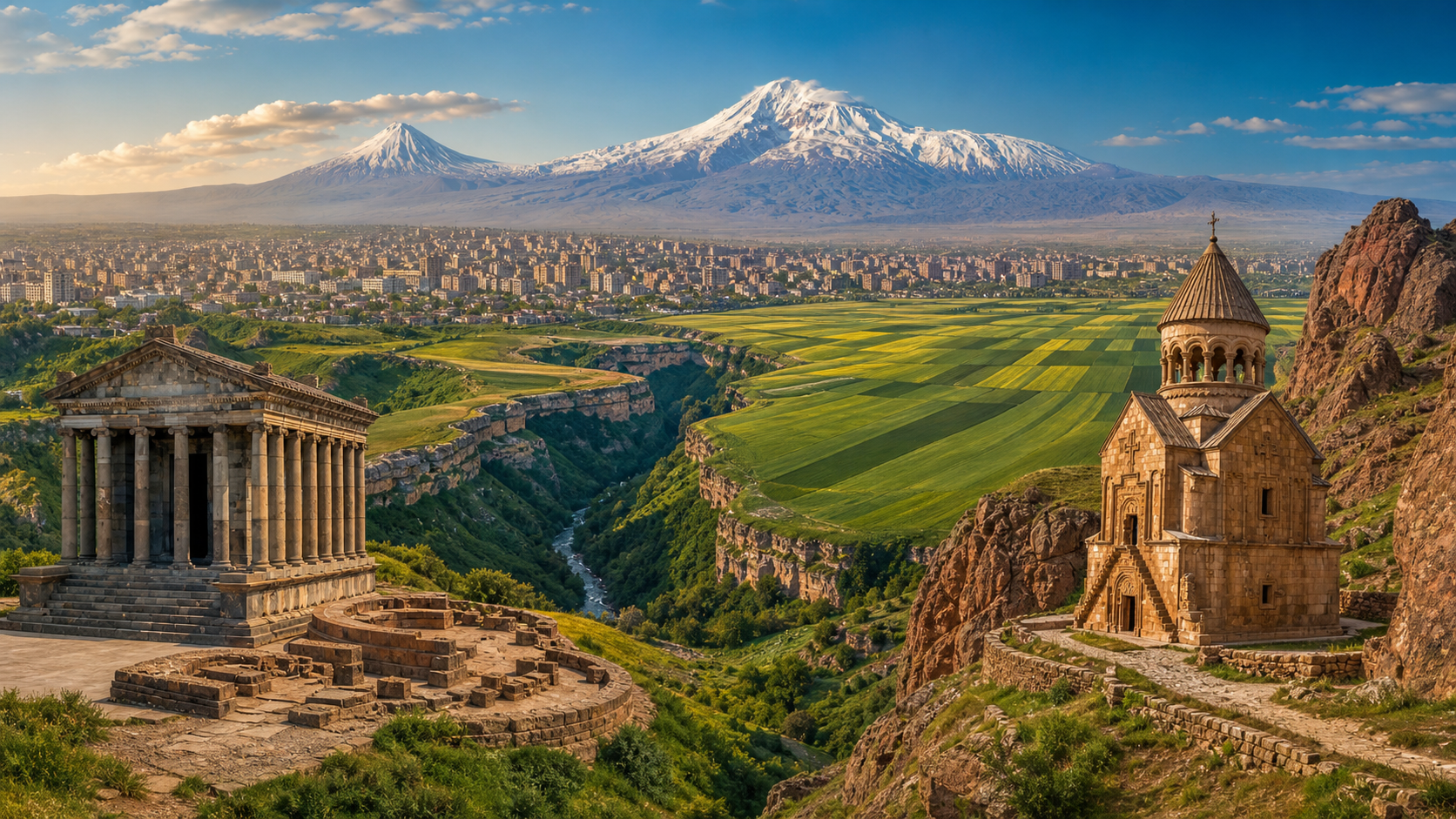
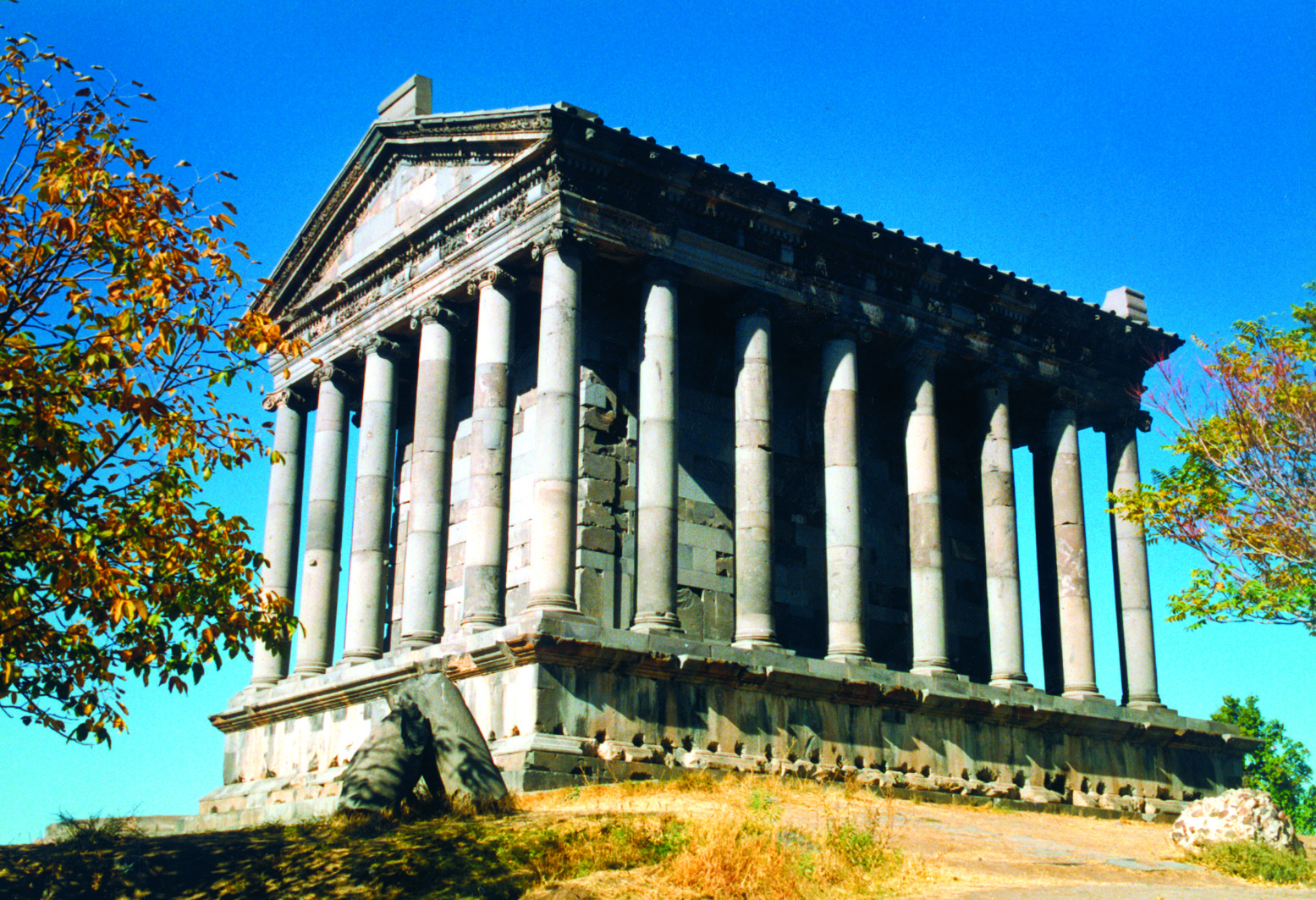
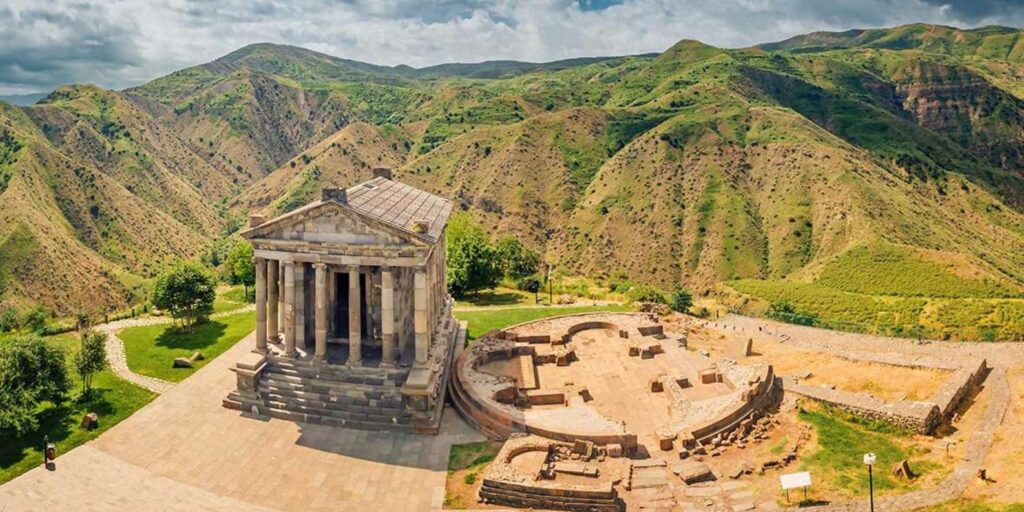
Garni and Geghard show two very different sides of Armenian history. Garni is known for its classical temple and pre-Christian heritage, while Geghard represents Armenia’s later Christian tradition. Part of the monastery, which is a UNESCO site, is carved into the surrounding rock, making the site as impressive visually as it is historically.
Etchmiadzin and Zvartnots
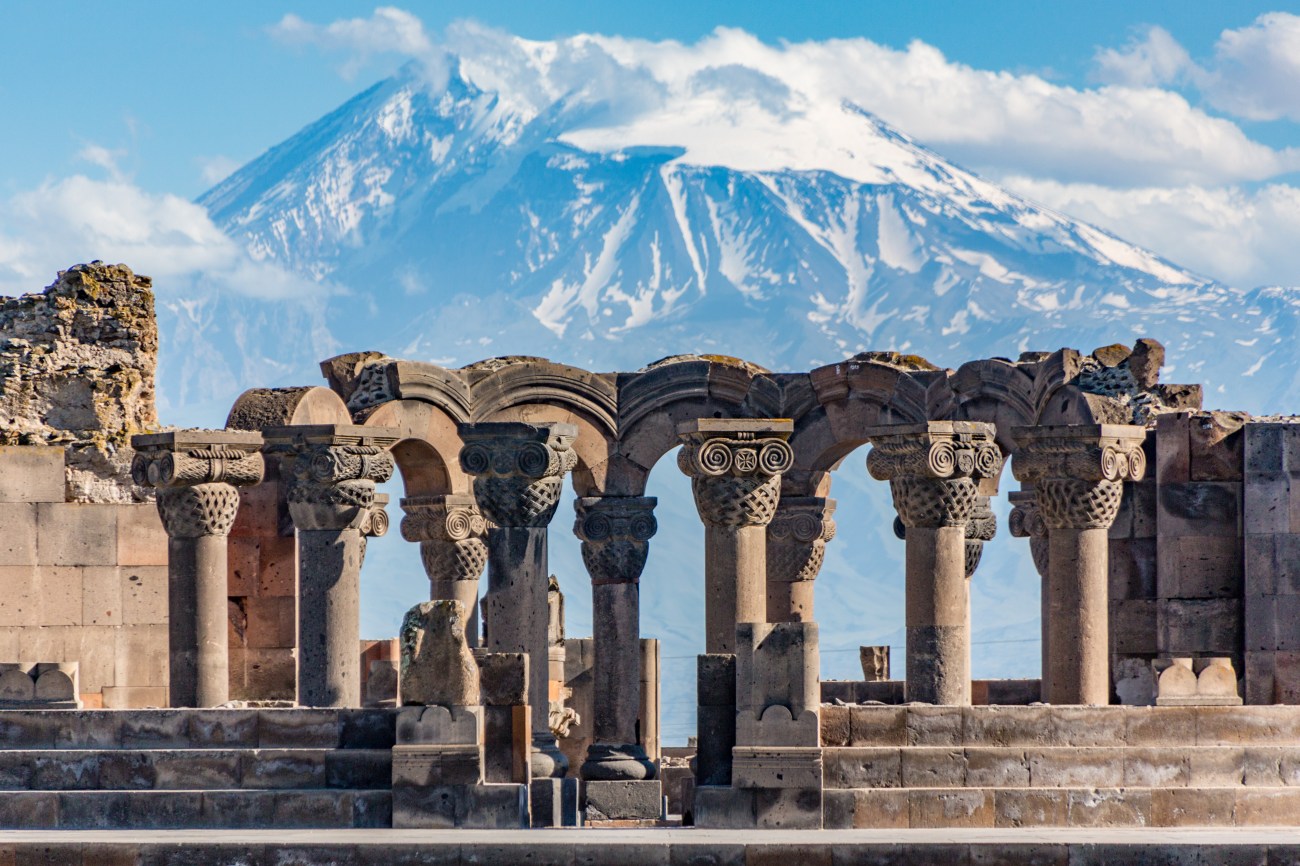
Etchmiadzin is central to Armenian Christian history and remains one of the country’s most important religious sites. Nearby Zvartnots offers a different experience, with the ruins of a remarkable early medieval cathedral. Together, they are especially interesting for travelers who want to understand Armenian religious history and architecture.
Areni and Noravank
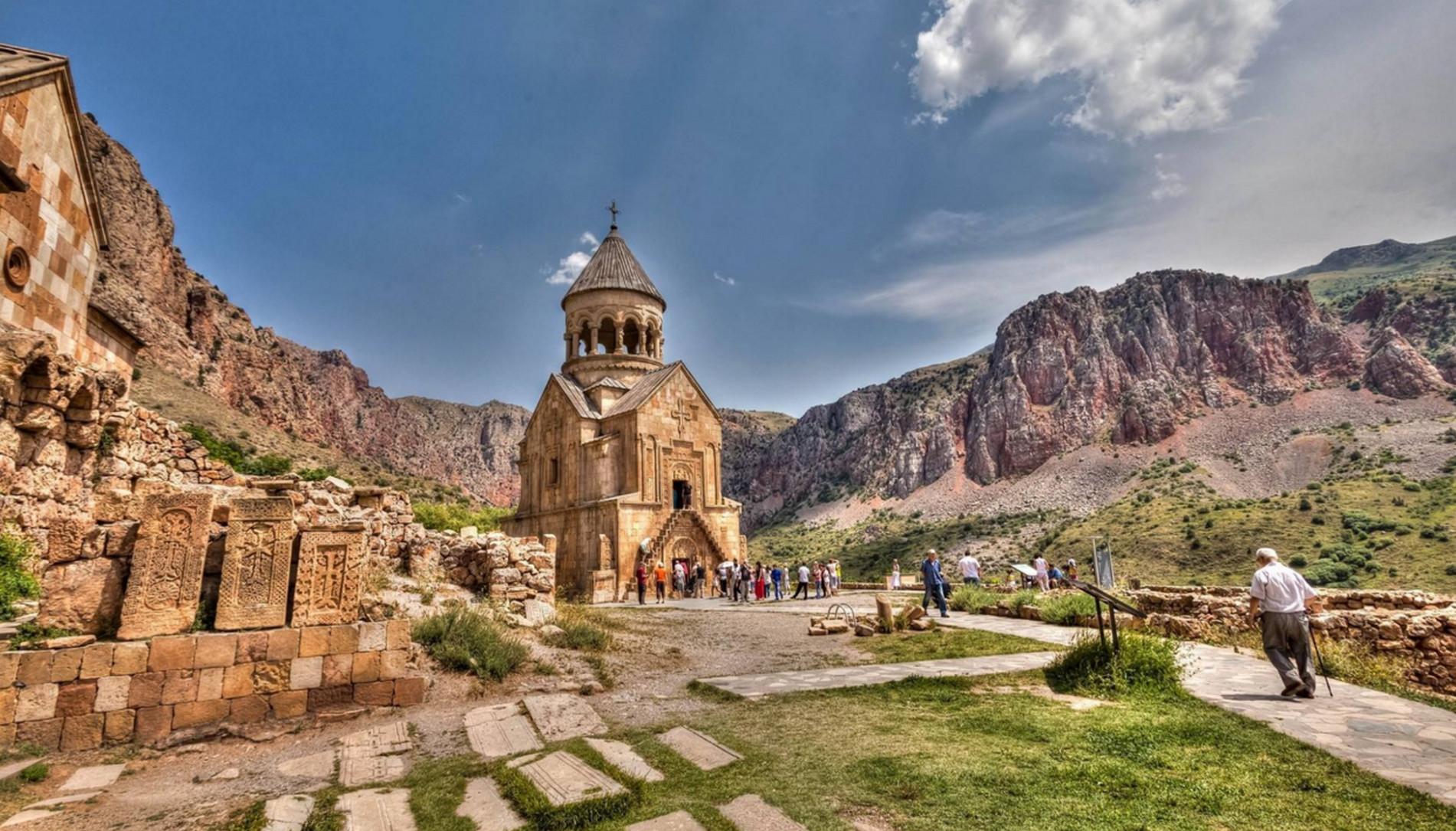
The village of Areni is known for important archaeological discoveries, including evidence of ancient winemaking. Meanwhile, Noravank is a monastery which stands in a dramatic red-rock canyon and represents one of Armenia’s best-known medieval monastery complexes.
Carahunge

This place is another layer of the country’s ancient past. Carahunge is a prehistoric stone complex in Syunik that continues to attract interest because of its age and unusual layout. The surrounding region also includes ancient settlements, fortresses and landscapes. Thanks to this, southern Armenia is especially appealing for archaeology-focused travelers.
Go Beyond the Famous Monasteries: Armenia’s Archaeological Side
Many visitors know Armenia for its monasteries, but the country’s history begins thousands of years earlier. Across different regions, travelers can find Bronze Age settlements, ancient fortresses, rock art, vishapakars and other traces of prehistoric life. These sites reveal a side of Armenia that is often less familiar, but just as impressive.
Some places are linked to early metallurgy, ritual landscapes and ancient beliefs. Others show how people lived, worked and moved through the region long before the medieval period.
Travelers who want to explore this side of the country in greater depth can follow Levon Travel’s Armenia Archaeology and Rock-Art Tour. The nine-day itinerary includes Erebuni, Agarak, the Geghama Mountains, Metsamor, Armavir, Etchmiadzin, Zvartnots, Noravank and Ukhtasar, combining archaeology with some of Armenia’s most important historic landscapes.
What Kind of Historic Armenia Tour Should You Choose?
The best historic Armenia tour depends on how deeply you want to explore the country’s history and whether it’s your first trip.
First-time visitors may prefer a broader itinerary that combines history with Armenia’s best-known attractions. Yerevan, Garni, Geghard, Khor Virap and Lake Sevan can be mixed with selected archaeological sites and museums. This gives a good overview without making the trip feel too focused on history only.
Archaeology enthusiasts can go much deeper. A dedicated itinerary can focus on ancient settlements, Bronze Age sites, rock carvings, fortresses, archaeological museums and remote landscapes that are often missed on classic tours.
Culture-focused travelers may want to combine historic sites with food, wine and everyday life. A trip can include monasteries and archaeological locations alongside village visits, wineries in Vayots Dzor, local cuisine and time in Yerevan.
For many travelers, the best option is a mix of these approaches, creating a route that balances major landmarks with lesser-known historical places.
What are the best historical places to visit in Armenia?
Briefly mention Erebuni, Garni, Geghard, Etchmiadzin, Zvartnots, Noravank, Areni, Karahunj and other archaeological sites.
Is Armenia good for archaeology tours?
Yes. Mention prehistoric settlements, Urartian remains, Bronze Age sites and museums.
How many days do you need for a historical tour of Armenia?
Around 7-010 days gives enough time for major historical sites.
Can a historic Armenia tour include food, wine and nature?
Yes. Many historical routes can be combined with local food experiences, winery visits, village visits and scenic stops.