If you’ve ever been to Armenia in July, you will know it gets hot. July and August often bring melt-into-the-sidewalk kind of heat.
However, when it feels almost unbearable, the country cools down in the most unexpected way. It’s time for a massive, joyful water fight. We are talking about Vardavar, Armenia’s most refreshing and playful summer holiday.
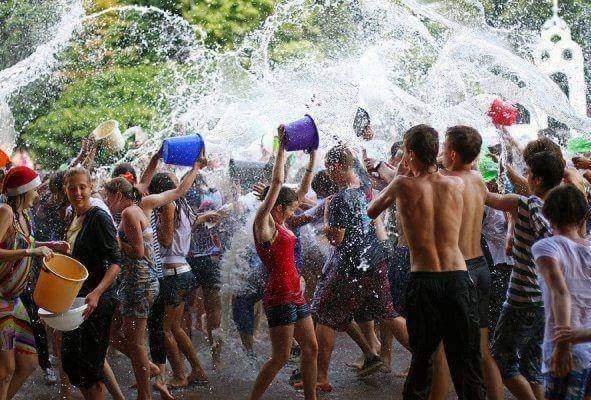
Celebrated 14 weeks after Easter (so the date changes every year, but it usually lands in July), Vardavar is a day when absolutely no one is safe from getting drenched. This year, Vardavar is set for July 27. Kids, teens, and grannies join in. Streets turn into splash zones, and water buckets, and even fountains become “weapons”.
It’s not only practical. In the peak of the summer heat, it’s the perfect way to chill. Let’s discover the history of this holiday.
Meaning of Vardavar
The meaning behind the word Vardavar has sparked quite a few theories over time. One explanation ties the name to ancient roots. According to one version, it stems from the words vadar (meaning water) and arr (meaning to splash). Some even say the holiday was meant to summon rain during Armenia’s driest season, making it part practical, part spiritual.
There’s also a beautiful floral connection. In Armenian, vard means “rose,” and roses once played a big role in Vardavar rituals. The flowers used to decorate altars, homes, and statues of goddesses like Astghik or Anahit.
Others trace the name back to ancient fire rituals, linking it to Zoroastrian roots and words for “burning” or “radiance.”
History of Holiday
Vardavar is one of Armenia’s oldest and most beloved festivals, with roots that reach deep into its pagan past.
Originally, it was a celebration in honor of Astghik, the goddess of water, beauty, love, and fertility. Astghik was worshipped with rituals that included offerings of roses and the symbolic act of sprinkling water. This symbolized calling rain during the hottest season of the year.
However, when Armenia adopted Christianity in the 4th century, many pagan festivals were transformed to fit the new faith.
Vardavar became the Feast of the Transfiguration of Christ. It marks the moment when Jesus revealed his divine nature to his followers. While the spiritual meaning shifted, the joyful water traditions remain.
Today, splashing water also remains at the heart of the celebration which is a mix of ancient and Christian symbolism.
Some also link Vardavar to the biblical story of Noah․It is believed the ritual of pouring water and releasing doves originated as a memorial of the Great Flood.
How Armenians Celebrate Vardavar?
If you’re ever in Armenia during Vardavar and suddenly see a group of kids with buckets, run or accept your fate. It’s Vardavar, and that means it’s open season for water fights across the country. Whether you’re ready or not, you will get wet.
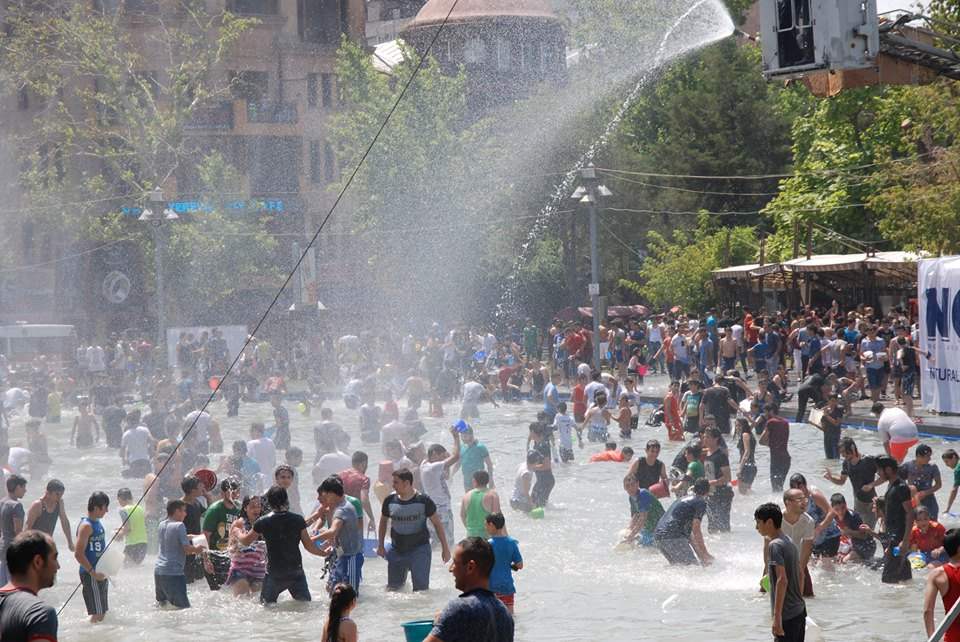
Vardavar today is less about ancient gods and more about fun and laughter. From sunrise to sunset, people of all ages hit the streets armed with water guns, bottles, hoses, and whatever else they find. No one is safe, not grandma, not the guy in a suit, not even the confused tourists. If you’re outside, you’re fair game.
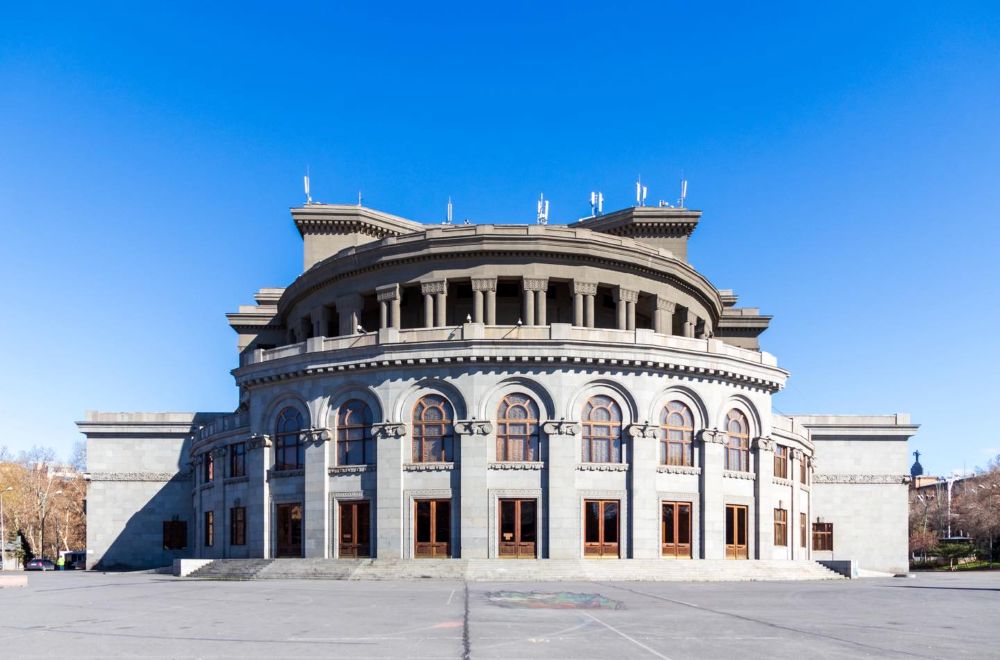
The biggest “water war” takes place in Yerevan, right near the Republic Square and Swan Lake. Dozens (sometimes hundreds) gather there to have fun and water each other.
The whole city seems to turn into a waterpark for the day. Even if you’re just “passing through,” there’s no chance you’ll leave dry. So, if you really do not like the fest, just stay home. There is no chance you will not be affected if you are outside.
Do not think you are on the safe side if an old lady looks at you from the window. She is likely to pour water on you.
Outside the capital, the vibe is just as festive. In smaller towns and villages, people gather near fountains, rivers, or even in their own yards. Kids chase each other with buckets; families throw mini water parties.
On this day, getting wet isn’t optional. It’s a tradition.
Vardavar Featured on Disney Channel
If you grew up watching Mickey Mouse Funhouse, get ready for a magical Armenian twist.
In March 2024, Disney released an episode titled “Vardavar!”. It shows how Mickey, Minnie, Goofy, and friends travel to a beautiful, mythical land inspired by Armenia. They take part in the joyful water festival.
As the gang arrives, Minnie realizes she’s not dressed for the occasion. However, just in time, the Armenian goddess Astghik (also known as “Little Star”) appears and transforms her outfit into a traditional Armenian taraz.
The group learns about the meaning of Vardavar and joins the locals in a colorful celebration filled with music, dancing and water fun.
This episode was a meaningful moment for many Armenian families. It was the first time Disney featured an Armenian holiday.
Is Vardavar a public holiday?
No, it’s not officially a public holiday, but it is held on Sunday, so it’s always a day off.
Do Armenians still celebrate the religious side of Vardavar?
Yes, churches hold services and bless water to mark the Feast of Transfiguration.
Can tourists join Vardavar celebrations?
Absolutely! Locals are very welcoming, but expect to get soaked.