
Easter in Armenia, known as Zatik, is more than just a holiday. It’s one of the most important and meaningful celebrations of the year.
In addition to religious meaning, it also feels like the true arrival of spring. You can feel it everywhere in homes, churches, and on the streets. Families gather, tables are full, and everything feels fresh and alive again.
In this blog, we’ll explore the Armenian Easter traditions that have been kept for generations and why this celebration feels so special.
Great Lent
In 2026, Armenians celebrate Easter on April 5. The date changes every year and depends on the church calendar. Easter is preceded by Great Lent (Medz Pahk), a 48-day period of fasting and spiritual reflection. During this time, many Armenians avoid meat, dairy, and other animal products, preparing both physically and spiritually for the celebration.
The final days lead into Holy Week (Avag Shabat), filled with church services, prayers, and meaningful rituals. One of the most symbolic moments is Palm Sunday (Tsaghkazard), which marks the beginning of this sacred period.
On Palm Sunday, Armenians go to church where willow branches and flowers are blessed and distributed instead of palm leaves. People take these branches home as a symbol of renewal and blessing.
Planting Seeds
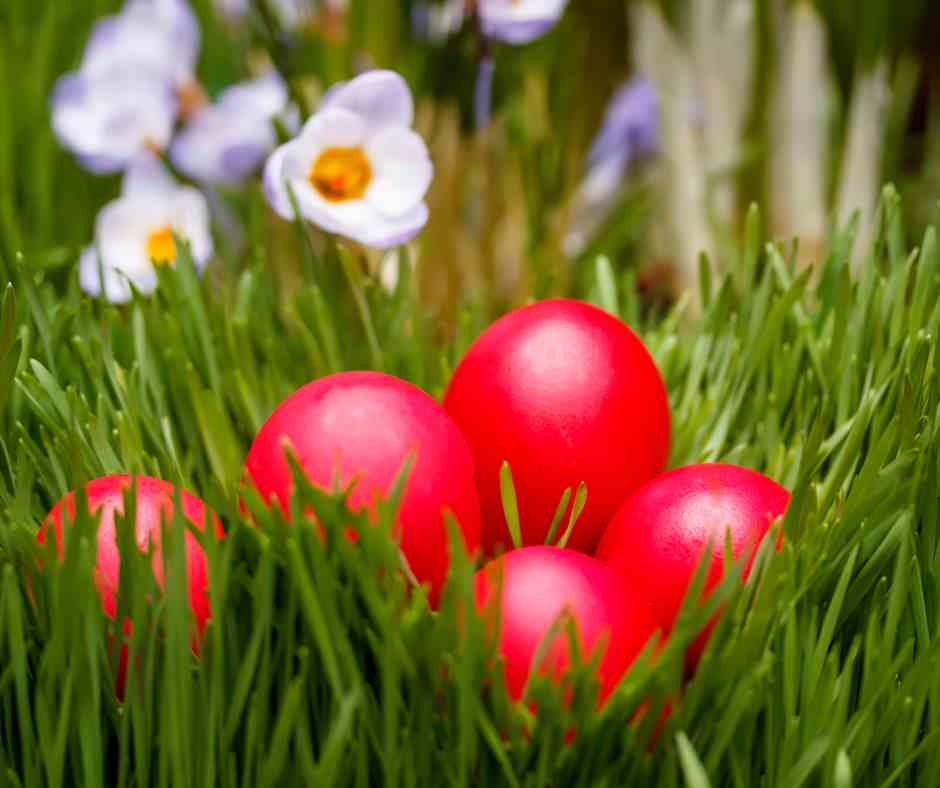
Another beautiful and symbolic part of Armenian Easter traditions is planting greens at home.
A few weeks before Easter, many families plant wheat or lentils in small trays. With a bit of water and sunlight, they grow into a fresh, bright green layer just in time for the holiday. This green “bed” is then used to place the red eggs, becoming a central decoration of the Easter table.
It’s a simple tradition, but full of meaning. The growing greens symbolize new life, renewal, and the awakening of nature after winter. It also visually brings spring into the home, making the whole celebration feel even more alive and vibrant.
Dying Eggs in Red
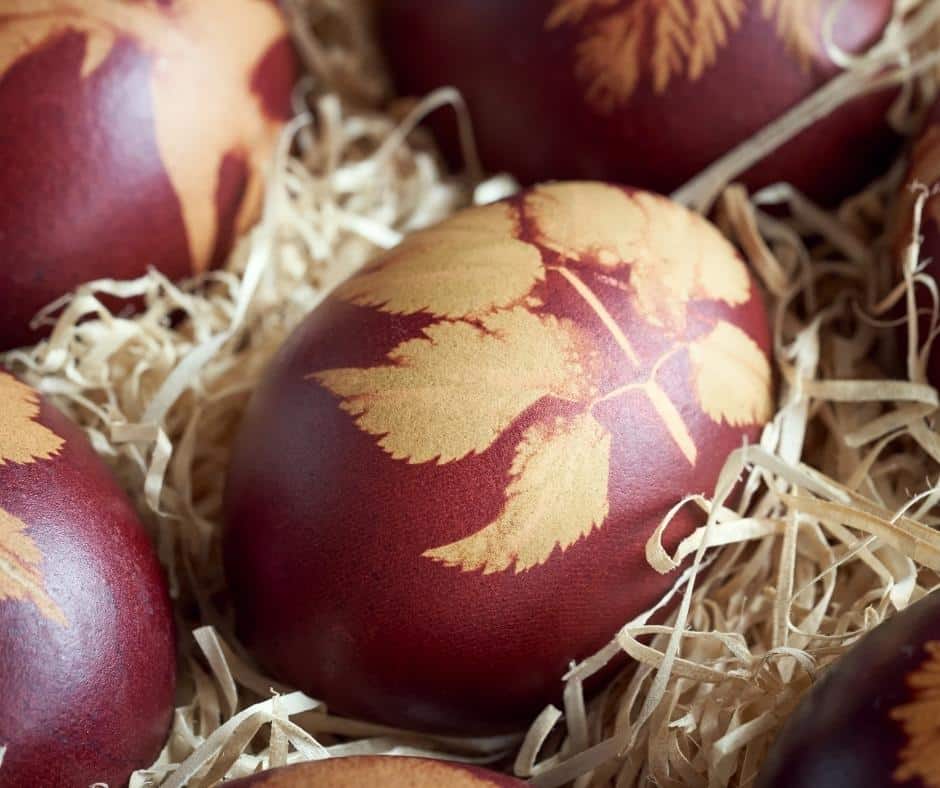
In the Armenian Easter tradition, eggs are dyed red as a symbol of life, rebirth, and the resurrection of Christ. The red color is also associated with the blood of Christ, making it one of the most meaningful and recognizable elements of the holiday.
Traditionally, eggs were dyed only red. This was the classic and most important color, and for many families it still remains the main one. Today, however, you’ll often see more colorful eggs on the table. People experiment with different shades and patterns, especially for decoration and for children. Still, many try to keep the tradition authentic by using natural ingredients.
The most common traditional method is using onion skins. The skins are boiled in water to create a deep, rich color, and then the eggs are added and left to absorb it. This gives them a natural reddish-brown tone. Some also use herbs, greens, or other plant-based ingredients to create softer, earthy colors.
Playing Egg Game
One of the most beloved parts of Armenian Easter, especially for kids, is the egg tapping game. It’s simple, but everyone gets excited about it.
Each person picks a dyed egg and gently taps it against someone else’s egg. First, they hit the top, then the bottom. The goal is to crack the other person’s egg without breaking your own. The one whose egg stays intact wins.
For children, this turns into a small competition. They carefully choose their “strongest” egg, sometimes even testing it beforehand.
Traditional Easter Table
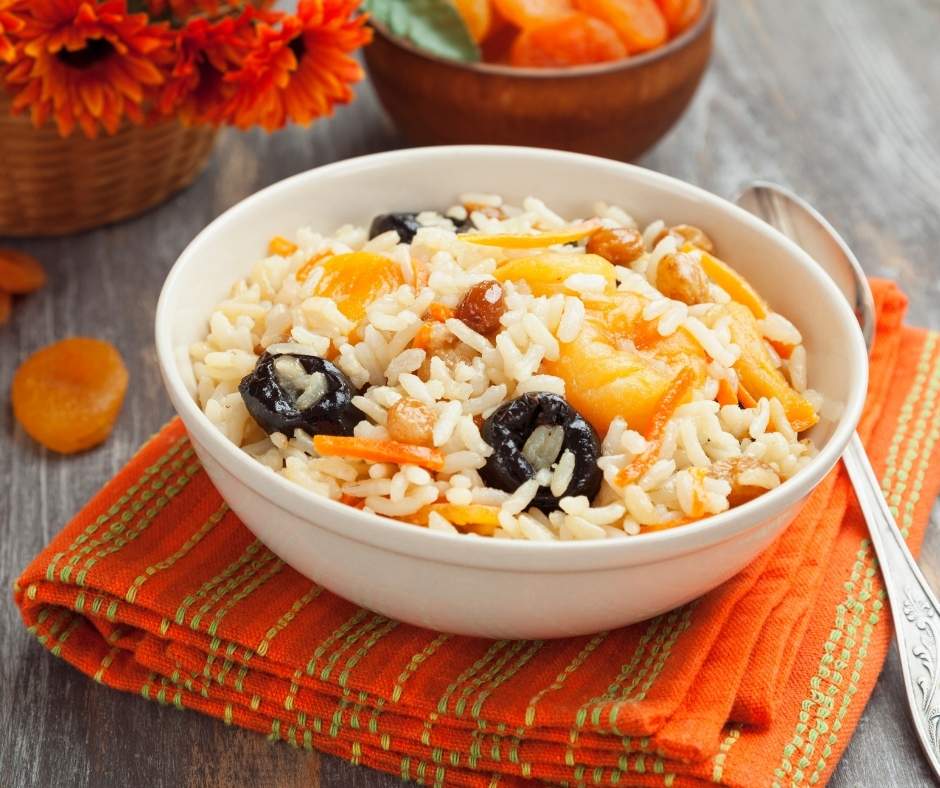
One of the most beautiful parts of Armenian Easter traditions is the festive table. It’s not just about food. It’s about meaning, symbols, and atmosphere.
The table is always full. You’ll see dishes like rice with dried fruits, crispy lavash, and fish. But what really stands out is the greens. Lots of greens and fresh herbs are an essential part of the table.
The table is also carefully decorated. You’ll often see branches placed in vases, sometimes with small Easter decorations hanging from them. It adds a light, spring feeling to the space. Red eggs are placed at the center, surrounded by sweets and desserts.
And of course, there is always wine. It completes the table and connects the celebration to deeper traditions. Among the sweets, you’ll almost always find traditional gata.
Easter Greetings
One of the most meaningful and recognizable parts of Armenian Easter is the traditional greeting that people exchange throughout the day.
Armenians greet each other with: “Qristos haryav i merelots” (“Christ is risen from the dead”). And the response is: “Orhnyal e harutyun@ Qristosi” (“Blessed is the resurrection of Christ”).
Attending Divine Liturgy
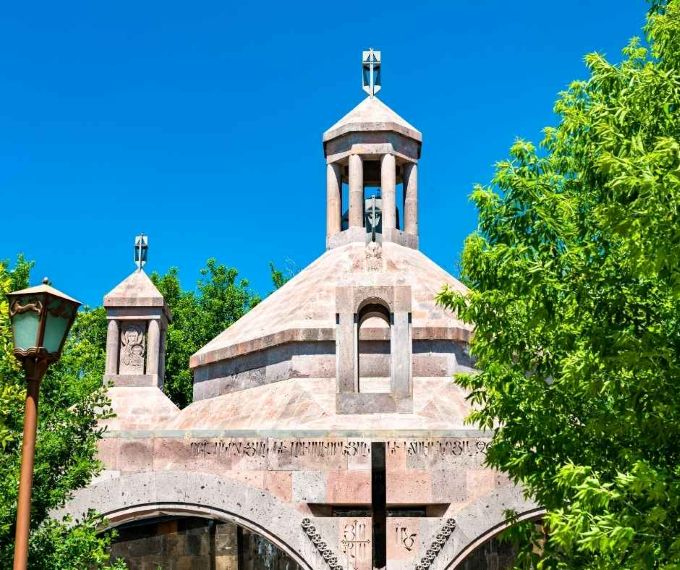
Every year, a special liturgy takes place at the Etchmiadzin Cathedral, the main spiritual center of the Armenian Church. Many people attend with their families to receive blessings and reflect on the deeper meaning of the holiday. While not everyone goes to church, the respect for the tradition is still very strong.
One of the most meaningful moments happens on Saturday evening. This is when the holy light is shared in churches. People light candles and bring this flame home.
The Holy Candlelight Ceremony is known as Chrakaluyts and is a profound Easter Eve service celebrating the light of Christ overcoming death.
Bringing the candle home is symbolic. It represents bringing the light of Christ into the house.
Then on Sunday, many families visit churches again, this time in a more festive and joyful atmosphere.