
Armenian cuisine is another powerful attraction for tourists visiting the country. Many travelers say that one of the most memorable parts of their trip is Armenian food.
Armenian food represents a unique combination of geography, history, and tradition. Located at the crossroads of Europe and Asia, Armenia has absorbed influences from neighboring regions while preserving its own distinct culinary identity.
Why is it so delicious? The answer most probably is in high-quality fresh vegetables, herbs, dairy products, and meats that play a central role in everyday meals.
For those visiting for the first time, it’s completely natural to wonder what to eat in Armenia and where to start. The variety of dishes can feel both exciting and overwhelming. This is the reason gastro and wine tours are so popular among tourists.
This guide will also serve as a tour that helps you navigate Armenian cuisine.
Key Features of Armenian Cuisine
Armenian cuisine is simple, fresh, and has strong cultural traditions. One of its defining features is the use of fresh, local, and seasonal ingredients.
Of course, the focus is on meat dishes, but with herbs and spices. They play an essential role in Armenian cooking, but they are used in a balanced way rather than overpowering the dish. Ingredients like parsley, cilantro, basil, and thyme are a part of almost all meals.
Another key element is lavash, the traditional Armenian flatbread, which accompanies almost every meal.
Grilling and baking are also central to Armenian cuisine. Many popular dishes are prepared over an open flame or in a tonir (underground oven), giving them a unique smoky flavor. Finally, food in Armenia has a deep connection to hospitality. Meals are shared, often bringing family and friends together around the table.
Traditional Armenian Dishes to Try
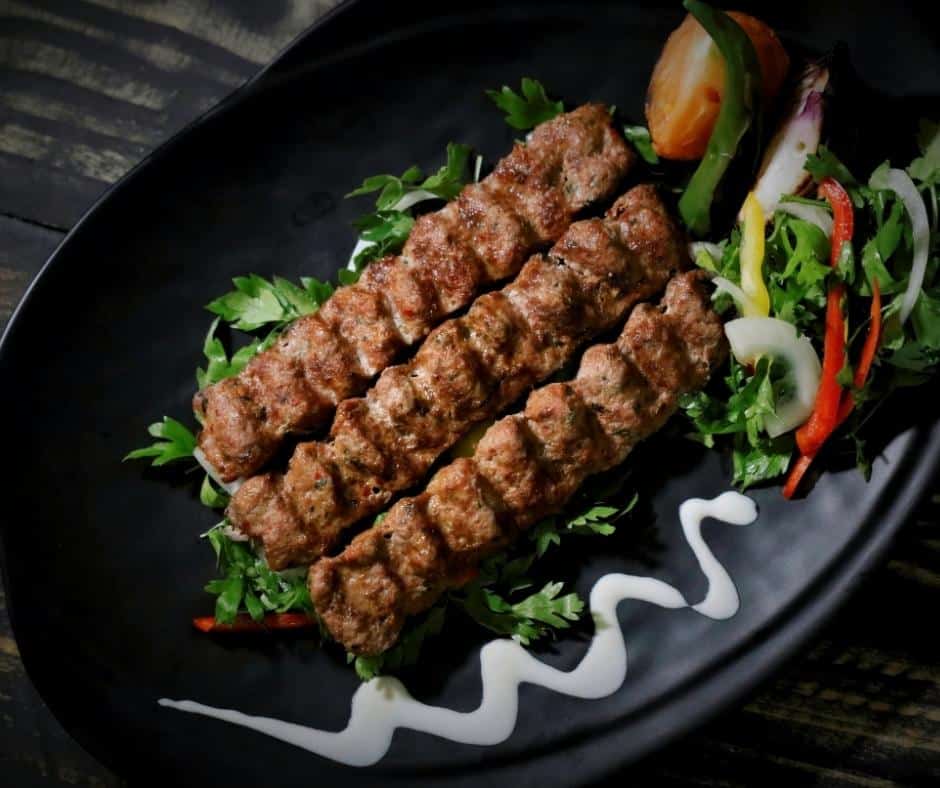
Khorovats is Armenia’s signature barbecue, typically from pork, lamb, or chicken.
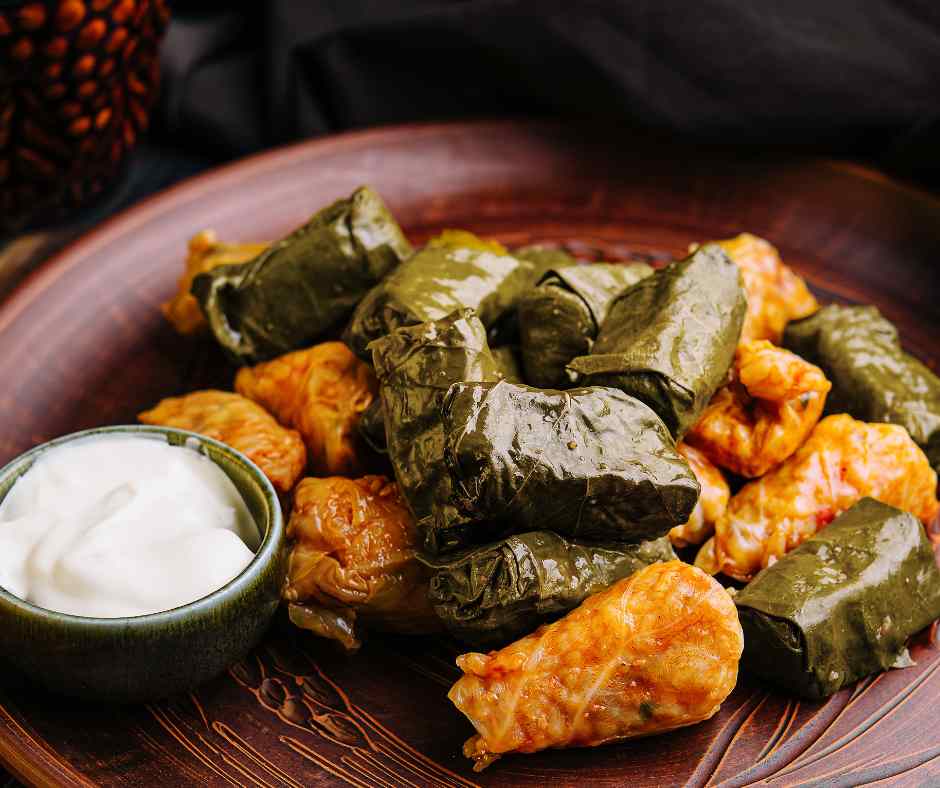
Tolma is also a favorite. It’s made with either grape leaves or cabbage stuffed with meat and rice, with each region offering its own unique variation.
Khash is a rich winter dish made from boiled cow’s feet, traditionally eaten in the early winter morning with garlic and dry lavash.
Harissa is a traditional slow-cooked dish of wheat and meat, deeply rooted in Armenian history and often associated with resilience and heritage.
Spas is a light and refreshing yogurt-based soup, popular during colder seasons.
Although meat plays a central role in Armenian cuisine, there are also plenty of delicious options for vegetarians, including dishes made with grilled eggplants, bell peppers, tomatoes, sorrel, and a wide variety of fresh greens.
Another popular dish is ghapama, which is a pumpkin with rice, raisins, nuts, and dried fruits.
Popular Street Food
Armenian street food offers a flavorful and authentic way to experience the country’s everyday culinary culture. While many of these dishes can also be found across the Middle East and neighboring regions, in Armenia, they come with a unique local touch.
One of the most popular options is shawarma, typically filled with grilled meat, fresh vegetables, herbs, and pickles, all wrapped in soft lavash.
Another favorite is lahmajoun, sometimes called Armenian pizza, made with a thin, crispy dough topped with minced meat, tomatoes, and herbs. It is simple, light, and perfect for a quick bite. Kebab in lavash is also a popular choice.
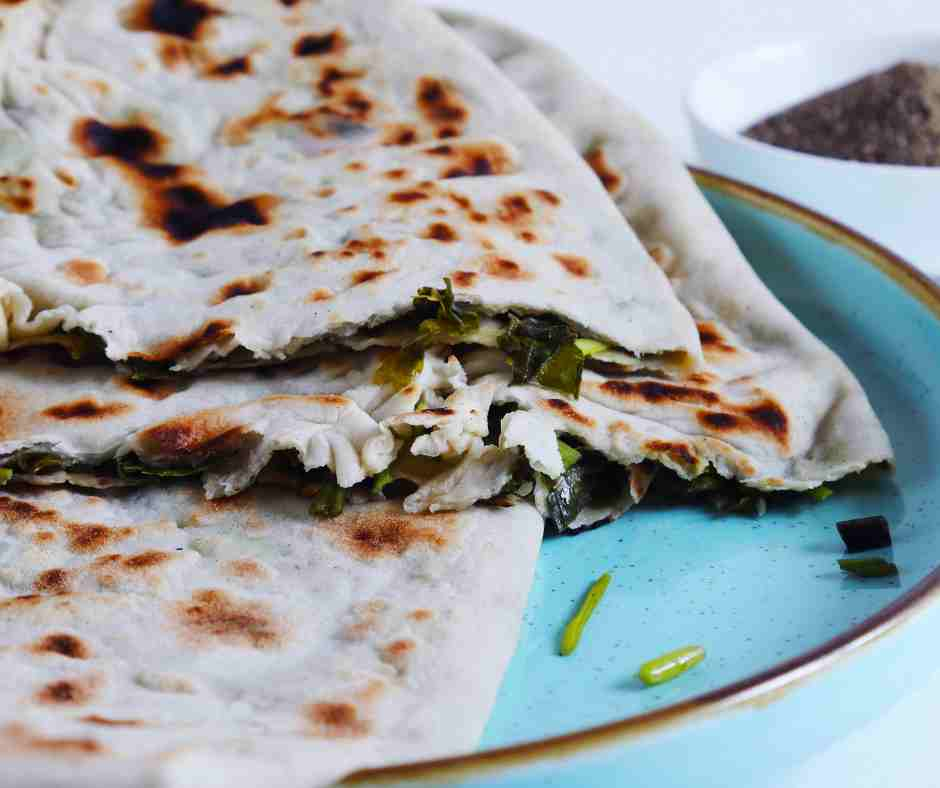
For those looking for something more traditional and unique, jingalov hats are a must-try. It includes dozens of types of greens and is a great street food option for vegetarians.
Armenian Desserts and Sweets

When exploring what to eat in Armenia, desserts are essential. One of the most iconic sweets is gata, a beloved pastry that comes in wide regional varieties, each with its own texture and filling. Some are soft and fluffy, while others are more layered and buttery.
Another must-try is the Armenian version of pakhlava. While it is popular across many countries, the Armenian version is usually less overly sweet, allowing the rich flavors of nuts and honey to stand out. It is especially common during holidays and family celebrations.
Sujukh is another traditional sweet worth trying, made by dipping strings of walnuts into thickened grape molasses and letting them dry. In addition, dried fruits such as apricots, peaches, plums, and figs are popular. They add sugar syrup for a sweeter taste or keep it natural for a lighter option.
Traditional Drinks
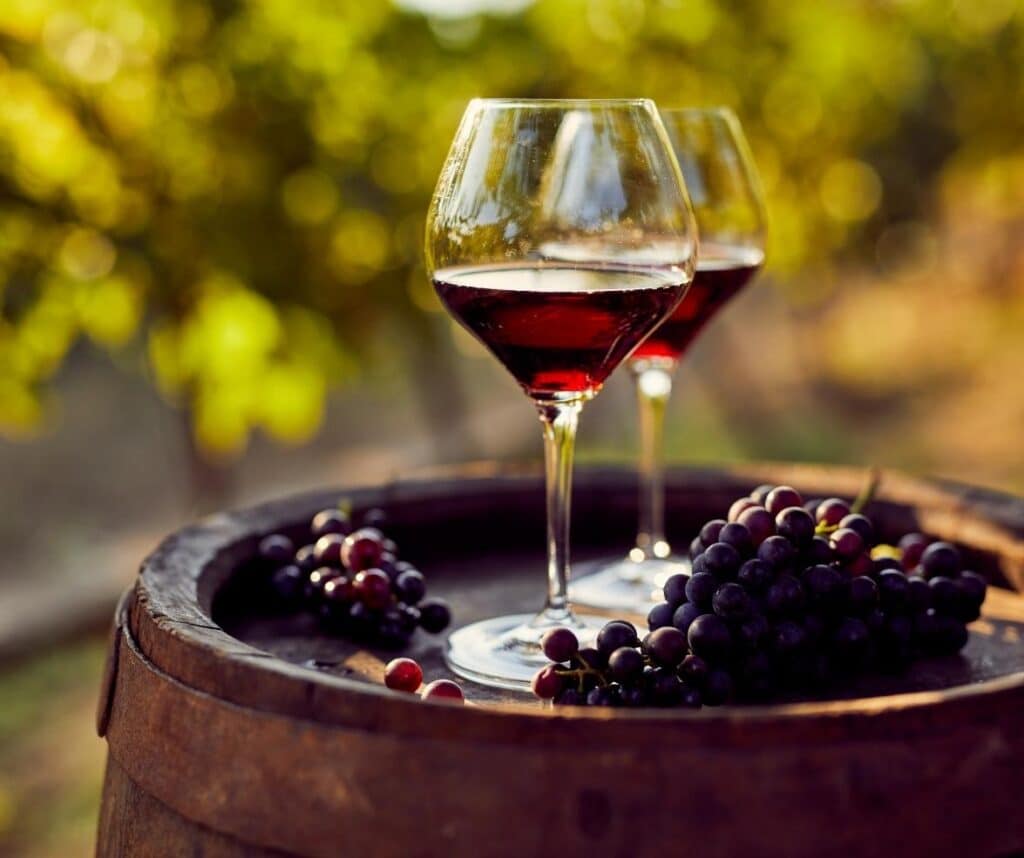
It’s natural to think first of wine, brandy, and other alcoholic beverages when exploring what to eat and drink in Armenia.
There is a wide variety of local wines made in different regions, and many travelers choose to visit wineries to taste them and learn more about the winemaking process.
Beyond wine and brandy, there are also several interesting traditional drinks worth trying. One of them is fruit vodka from fruits such as apricots, mulberries, grapes, or cornelian cherries, offering strong but unique flavors. Another refreshing option is tan, a yogurt-based drink that is especially popular during the summer months.
Herbal teas made from mountain plants are popular for their natural taste and health benefits.
What is the most famous Armenian food?
Khorovats and tolma (Armenian barbecue) are one of the most famous dishes.
Is Armenian food spicy?
No, Armenian food is generally not spicy; it focuses more on fresh herbs and natural flavors rather than heat.
What do Armenians eat for breakfast?
Typical breakfasts include bread, lavash, cheese, eggs, fresh vegetables, honey, and sometimes yogurt (matsun).
Is Armenian food vegetarian-friendly?
Yes, there are many vegetarian options, including dishes made with vegetables, beans, herbs, and grains.
What is lavash bread?
Lavash is a traditional thin flatbread baked in a tonir (underground oven).