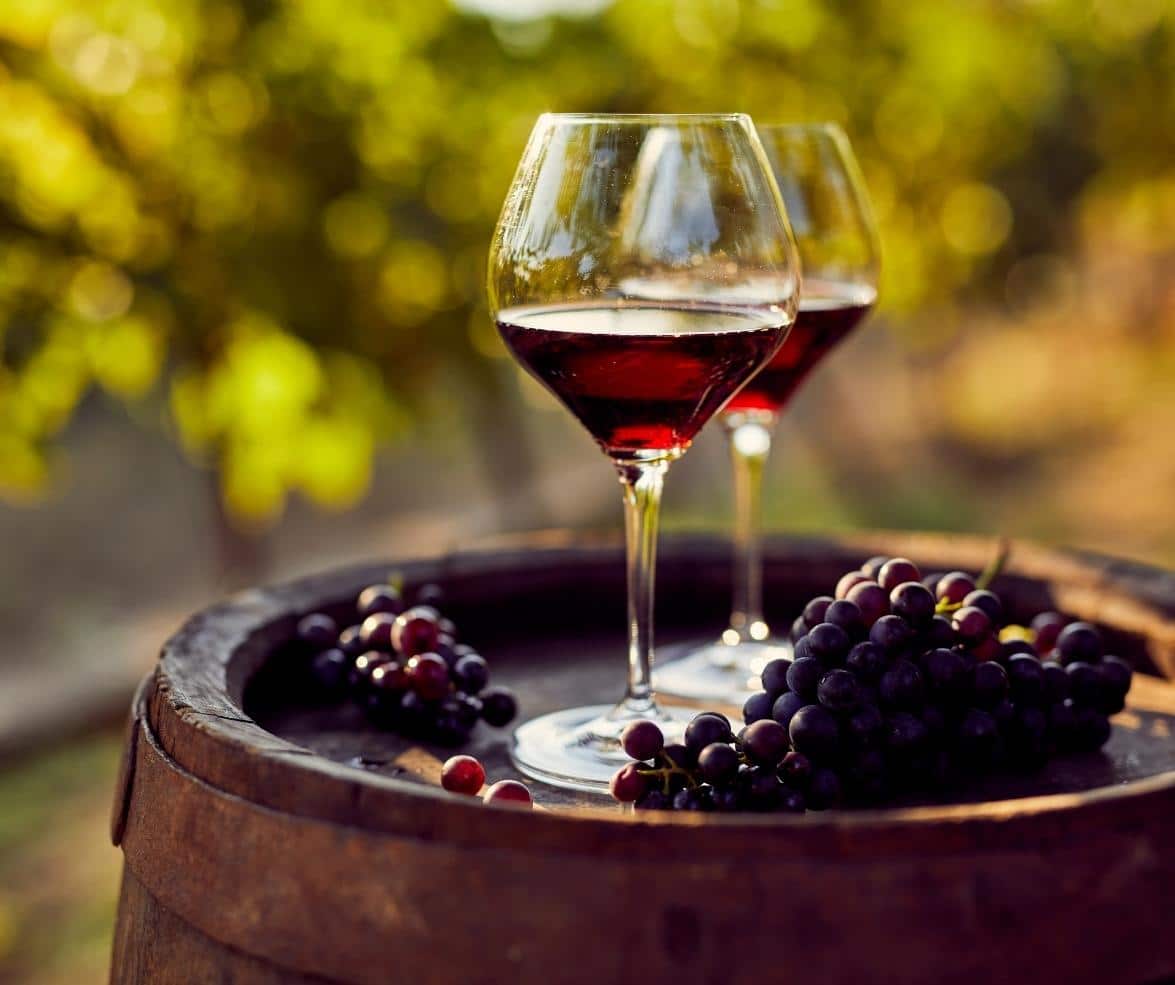
Wine has always been more than a drink. No matter the country it’s growing in, it’s about culture, tradition, and identity.
Across the world, nations compete for the title of the “birthplace of wine,” yet Armenia has steadily taken its place on the global wine map.
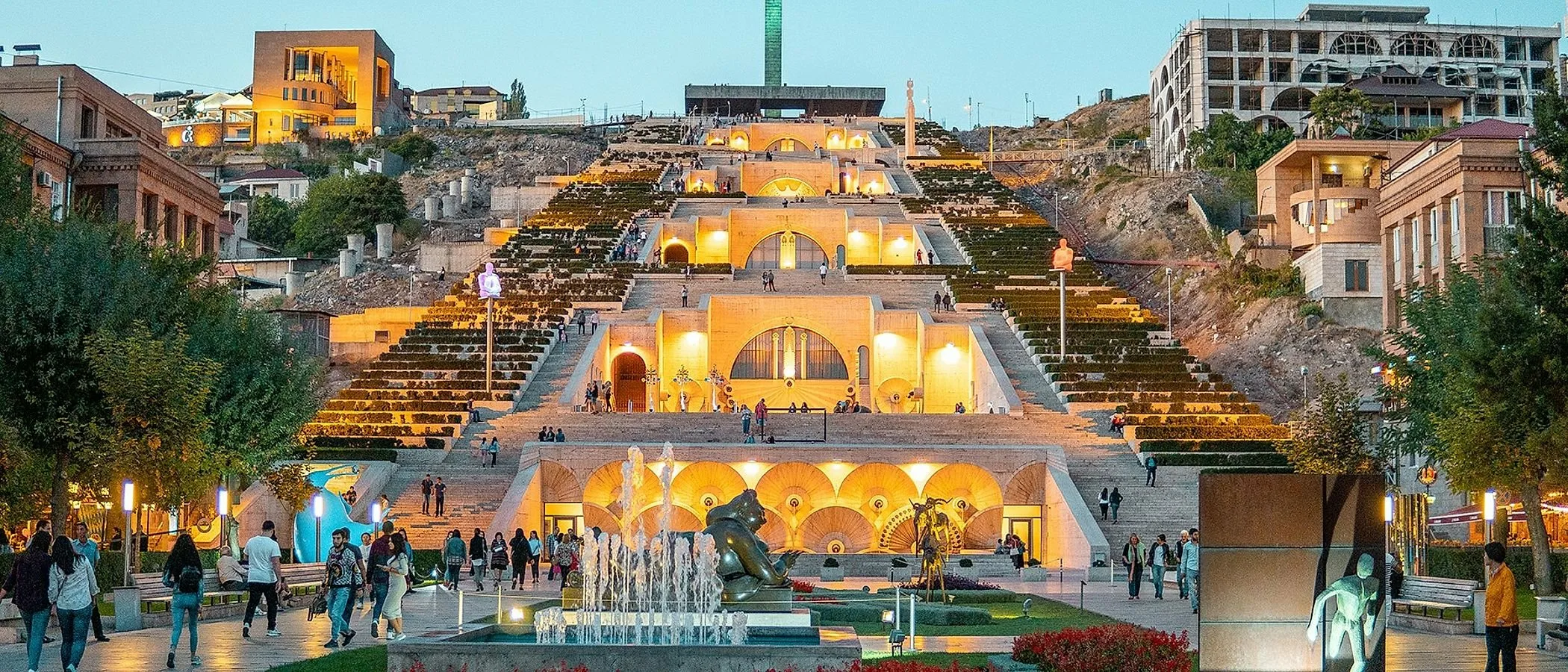
For several years now, Armenia has been attracting wine lovers with its unique terroir, indigenous grape varieties, and wine festivals.
The debate over where wine was truly born has fascinated historians and travelers. Forbes contributor Layne Randolph has recently joined this conversation talking about Armenian wine heritage.
Areni 1 Cave and Armenian Wine Heritage

The article by Forbes highlights Armenia’s wine history, stretching back more than 6,000 years. The discovery of the Areni-1 cave, one of the world’s oldest known wineries, puts Armenia’s place at the heart of this story.
The article says it brings Armenia’s wine story to life. Visitors climb nearly 100 stone steps to reach the cool, echoing chambers of the cave.
In 2007, a UCLA-led team made a discovery that changed wine history forever. Inside the cave, they uncovered a clay press draining into a fermentation vat, storage jars buried for temperature control, plus grape seeds, skins, and stems.
Scientific tests dated the site to around 4100–4000 B.C., offering the first complete picture of winemaking more than 6,000 years ago. Chemists even found traces of malvidin, the pigment that still gives red wine its color.
The author notes that the Areni-1 Cave also yielded surprises beyond wine: the world’s oldest leather shoe and evidence of ancient burials. Its position on a caravan route hints that wine was tied to trade as well as ceremony.
Wine or Brandy? What is First in Armenia
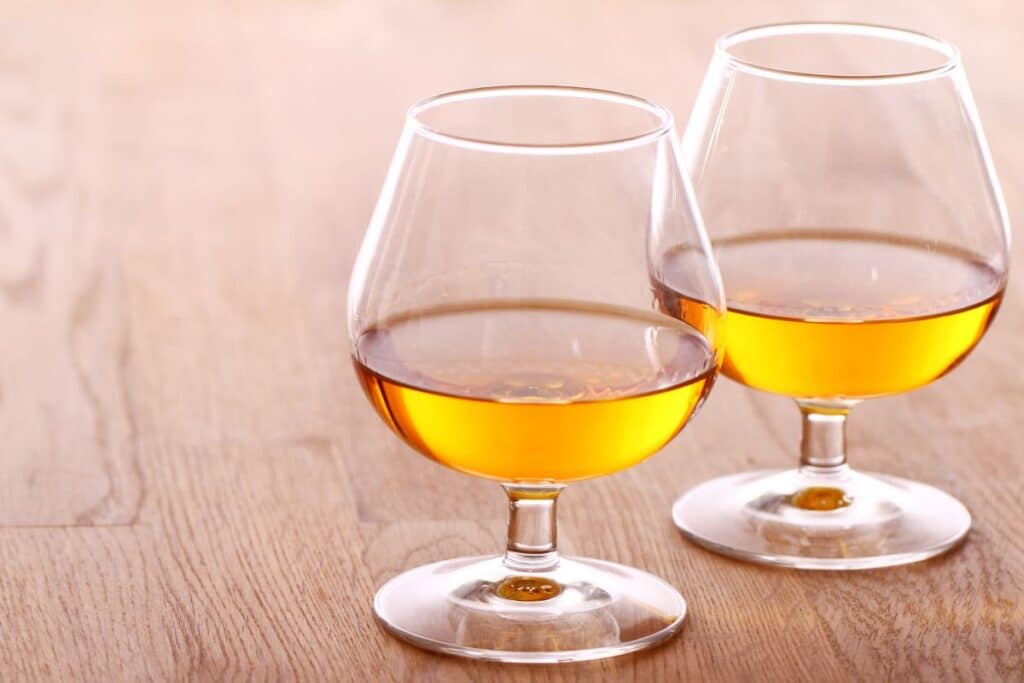
People in the Soviet Union, a part of which Armenia used to be, associated the country with brandy. Legendary names like Ararat have long been symbols of Armenian craftsmanship.
But after the discoveries and revival of Armenian wineries, it appeared that the story began thousands of years earlier with wine.
Under Soviet rule from 1920 to 1991, Armenia’s wine industry was largely redirected toward brandy production. Vast vineyards were replaced with grape varieties suited for distillation rather than winemaking. As a result, brandy became Armenia’s export star, while wine production nearly disappeared from the map.
Fortunately, the story did not end there. Some families quietly preserved indigenous grapes like Areni and Voskehat in their backyard plots, keeping Armenia’s ancient wine tradition alive until the revival of the 1990s and 2000s.
The winemaking tradition was revived in the 2000s with the arrival of some experts from abroad who were interested in the local varieties.
So, which came first in Armenia, wine or brandy? The answer is clear. Wine has been here for thousands of years, while brandy is a more recent.
A Renaissance in Modern Times
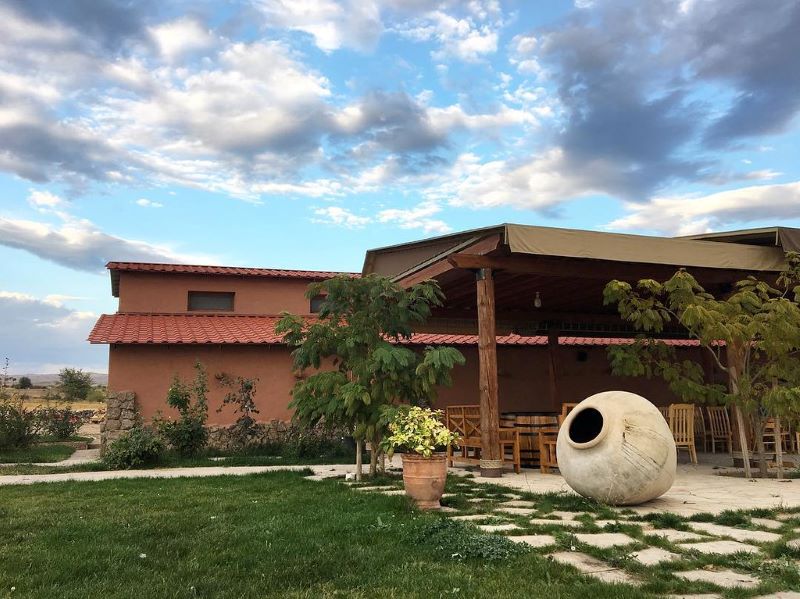
The story of Armenian wine heritage is not only about the past. The most important part of it is about a remarkable comeback in the present.
After decades when brandy overshadowed local viticulture, Armenia is now witnessing a flourishing wine culture.
Wines are reviving time-honored methods like clay karas aging. Local wineries make headlines and win medals and praise on the international stage.
In Yerevan, it all started from a bar on Saryan Street. The country’s first wine bar was opened there, and this has completely transformed how Armenians view wine so far. The street is now full of wine bars where locals try the best samples.
Through tastings, tours, and classes, winemaking turned into a lifestyle, inspiring a new generation of winemakers and entrepreneurs. Some focused on experiments with sparkling wines and pomegranate taste. Meanwhile, other producers focus on restoring old vines in Vayots Dzor, ensuring that Armenia’s unique terroir and rare varietals are not lost.
The results are clear. Wine exports have more than doubled in the past decade, and bottles now reach over 30 countries.
Wine and Tourism

Most importantly, it has all had a huge impact on the tourism sector. Over the past decade, the growth of boutique wineries, tasting rooms, and festivals has given travelers new reasons to visit Armenia.
At the heart of this boom is Yerevan Wine Days, one of the country’s largest annual festivals. Every June, the capital’s central streets fill with visitors who come to sample hundreds of local wines, enjoy live music, and experience Armenia’s hospitality.
Beyond the capital, wine routes in regions like Vayots Dzor, Aragatsotn, and other provinces invite travelers to visit family-run wineries. Everything wine-related has become extremely popular for several years.
In addition to wine tours, gastronomic tours (paired with wine and brandy) have also attracted the attention of foreign travelers.
This authentic, experience-driven tourism has elevated Armenia’s profile globally. Without it, Armenia might never have attracted major international events like the UNWTO conference on wine tourism. The event was hosted in Yerevan in 2024, a clear sign that the world recognizes Armenia’s role as a rising wine destination.
Levon Travel offers curated wine tours that combine winery visits, tastings, and help travelers discover why Armenia is both the birthplace and the future of wine.