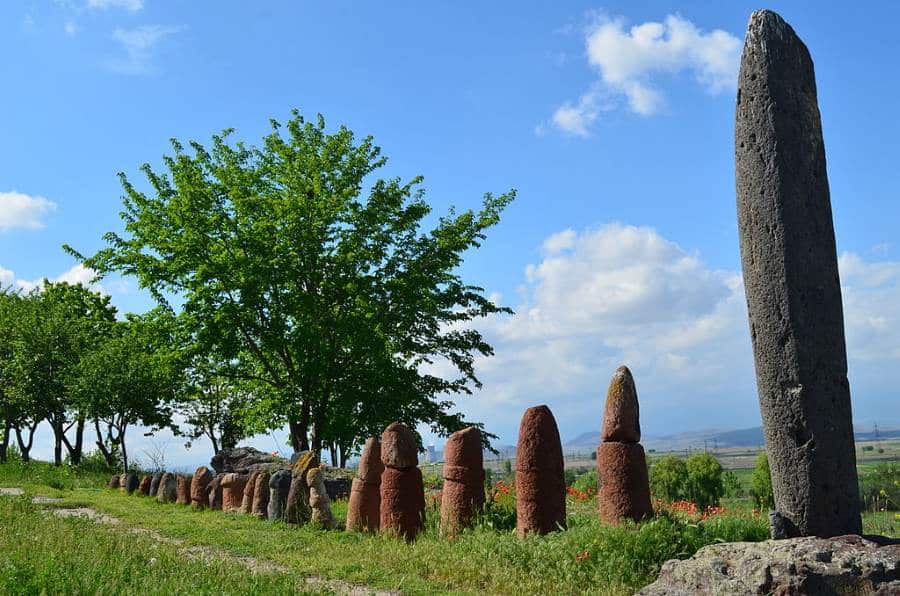
Imagine hiking up into the Armenian mountains and you see a massive stone carved to look like a fish or a beast. Do not be surprised. These are the mysterious vishapakars, or “dragon stones,” which are typical for Armenian highlands.
Just this year, Armenian and European archaeologists published new findings in Nature’s npj Heritage Science that give a fresh look at these ancient monuments.
The study is the first big statistical analysis of the dragon stones, and it shows something striking. The stones weren’t random markers or scattered relics. They were deliberately built and placed.
In this article, we will discuss what is the vishapakar and where you can see in when traveling in Armenia.
What Are Vishapakars?
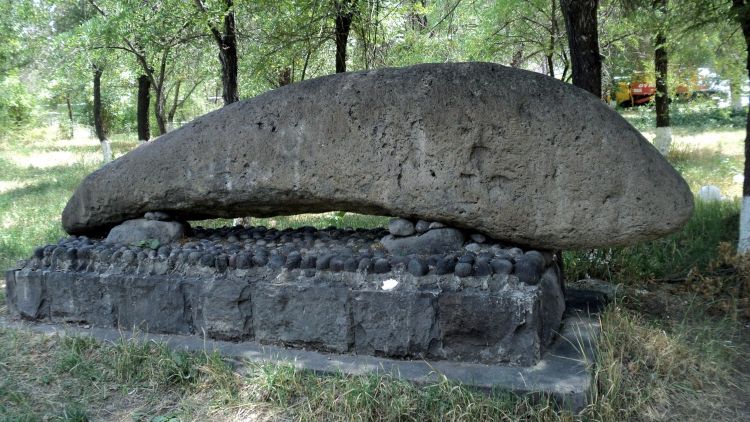
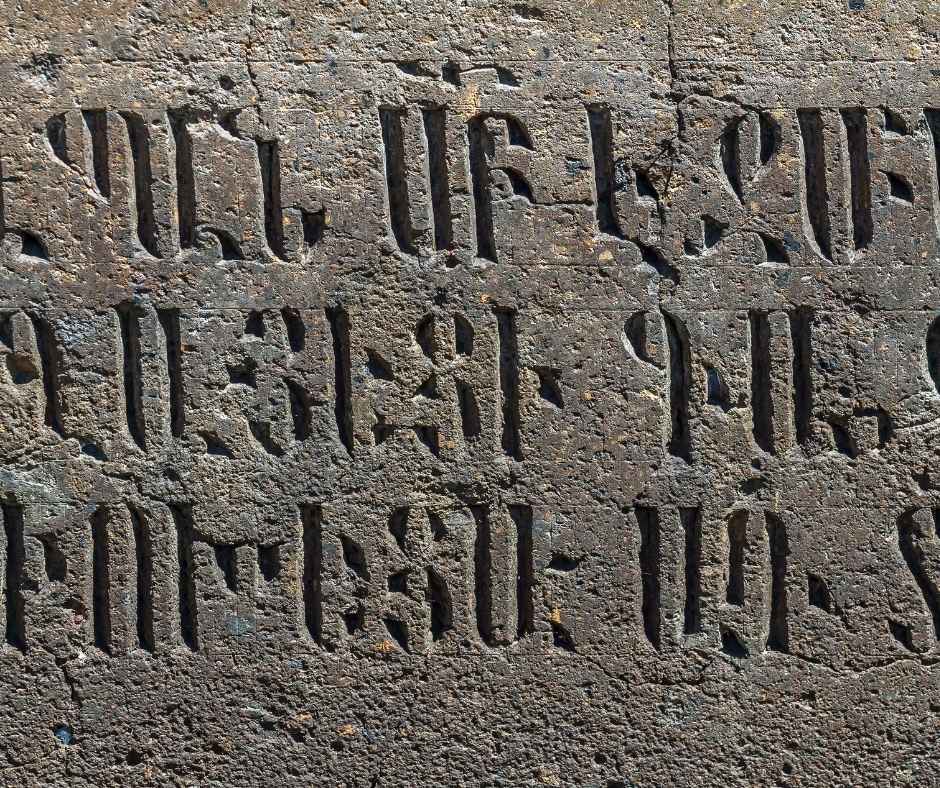
The word vishap in Armenian means “dragon”, and vishapakar (or “dragon-stone”) refers to the carved standing stones in Armenia. They are monoliths shaped with animal and mythic motifs. The stones are called serpent-stones or dragon stelae.
These megaliths are typically carved from local volcanic rock; basalt is most common, sometimes andesite. Vishapakrs vary in height, usually between about 1.5 and 5.5 metres, depending on location and type.
Scholars group them into three main types based on their form. Some have fish form, some resemble bulls, and there is also a hybrid type combining fish and bull features.
The carvings often include eyes, mouths, fins or gills in fish forms. Although many vishapakars now lie fallen or relocated, originally, they stood, which suggests they were meant to be seen from several directions in their landscape.
Secret of Armenian Dragon Stones
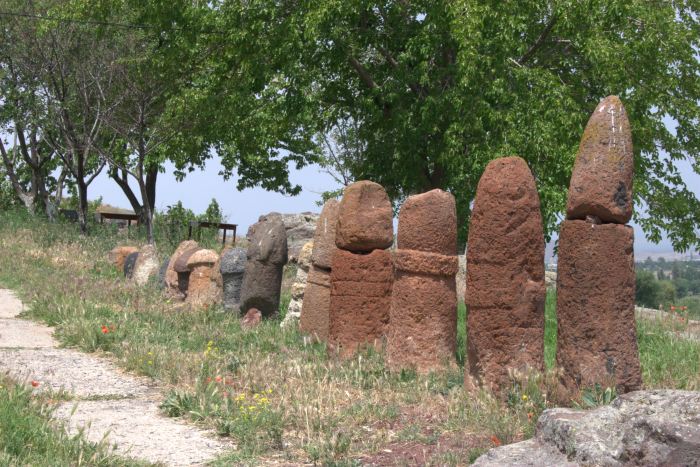
For a long time, vishapakars have been a puzzle. Scholars speculated if they were territorial markers, water guardians, or simply pieces of prehistoric art. Nobody had hard data to settle the debate. Now, a new study published in npj Heritage Science finally fills in many blanks.
The research team, led by Vahe Gurzadyan and Arsen Bobokhyan with colleagues from Armenia and Europe, did the first comprehensive statistical analysis of 115stones.
They measured sizes, recorded elevations, mapped locations, and ran statistical tests to see how size, form, and altitude correlate.
They revealed that the stones have an ancient history. Samples from the site in Aragatsotn near Mount Aragats date at least some vishaps to ca. 4200-4000 BC, that is, the Chalcolithic period. So, these aren’t just later Bronze Age or Iron Age decorations.
The study shows that dragon stones aren’t randomly scattered. There are two clear altitude “clusters”. Large stones exist even at very high, hard-to-access elevations. That means people made big efforts to place big stones where perhaps it wouldn’t be easy to build.
Besides, researchers confirmed the long-hoped theory that vishaps are closely tied to water. Fish-shaped stones in particular often appear higher up, closer to where the water originates. The idea is that these monuments mark or point to sources of water essential for valley communities.
They revealed that most likely the stones were not idle decorations. They were purposefully carved, transported, and positioned.
Vishaps in Myth and Legend
Long before this research, Armenians already linked vishaps with water and fertility. Early interpretations suggested that the dragon-stones marked springs, lakes, and rivers, acting as guardians of life-giving sources.
Their fish-like forms confirmed this. People used to think they were put to worship water.
In mythology, however, the vishaps gradually shifted from water spirits to terrifying forces of chaos. They lived in mountain lakes or storm clouds, sometimes swallowing the sun during eclipses.
The thunder god Vahagn, known as Vishapakah, was their eternal opponent, battling them in cosmic storms over Lake Van. Later epics describe vishaps controlling water, demanding human sacrifices, and being defeated by heroic kings.
Where to See Vishapakars in Armenia?
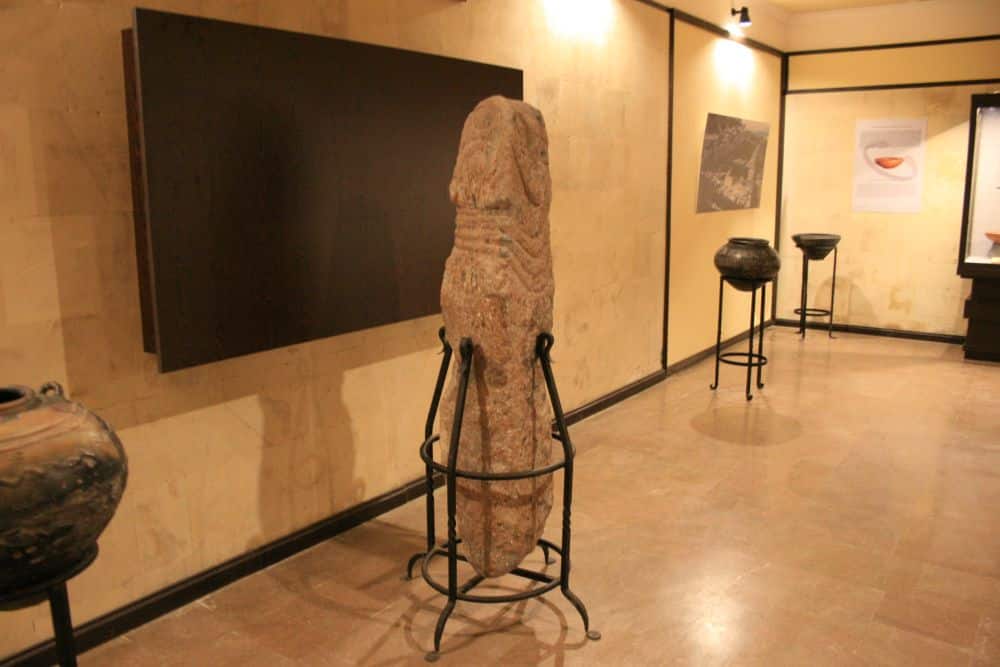
While many stones still stand in remote mountains and highland pastures, several can be seen up close in and around Yerevan. This makes it easy for curious travelers to experience these ancient monuments without trekking to the Geghama or Aragats ranges.
In Yerevan, you can spot several dragon stones. One of them is located in the Nor Nork district under an open sky. It is fish-shaped, with a distinct head, body, and tail. The head clearly depicts the mouth, eyes, and gills of a fish. The dragon is made of gray basalt, measuring 3.4 meters in length and 0.25-0.70 meters in width.
Another one has been placed on the right side of the Matenadaran, Armenia’s famous repository of ancient manuscripts
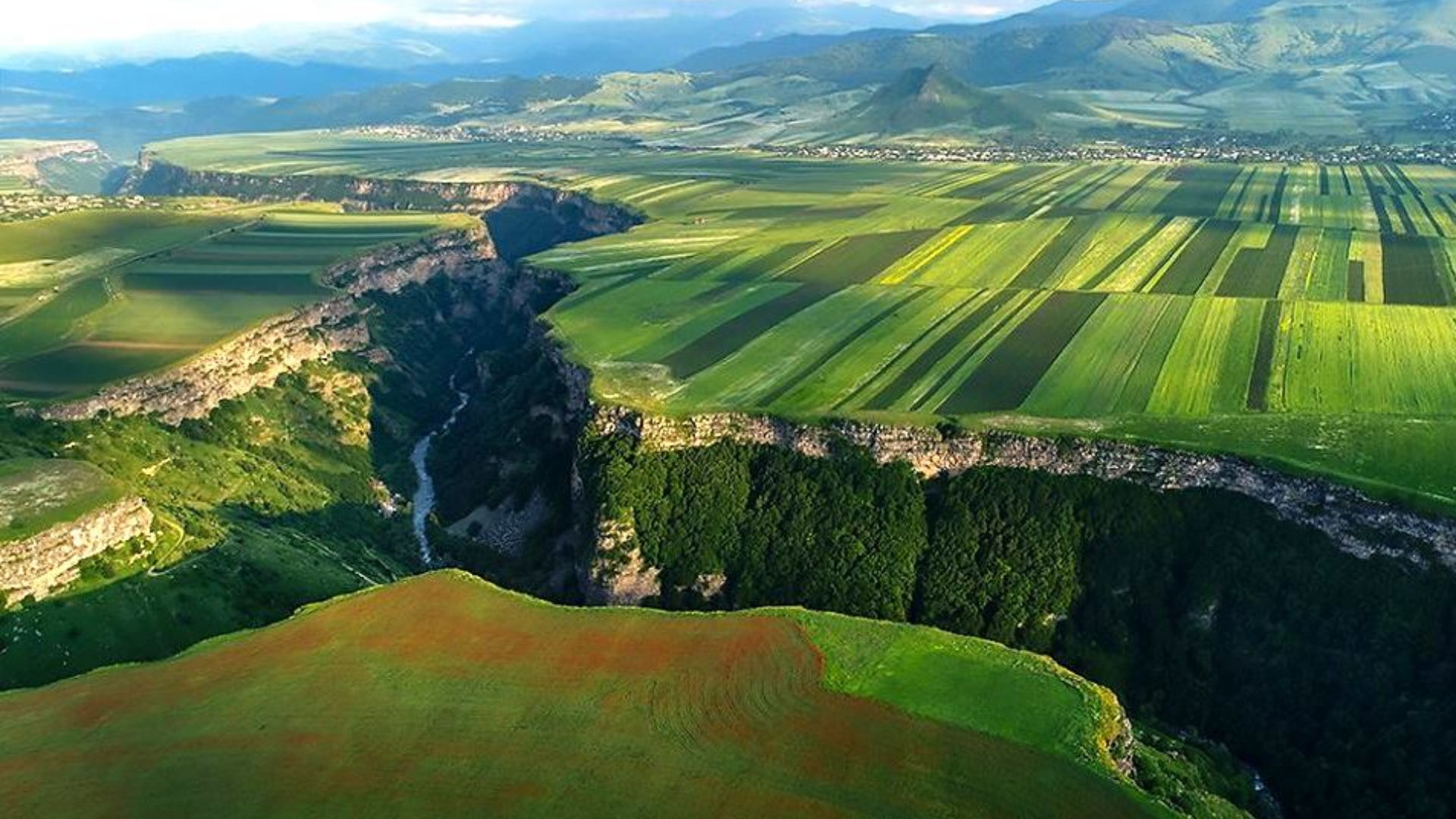
A striking piece stands on the slope of Mount Aragats, overlooking the surrounding landscape.
One of the most accessible examples is the stone near the Metsamor Historical-Archaeological Museum. Metsamor is one of Armenia’s most important prehistoric sites.
Each stone tells its own story, and together they invite travelers to imagine Armenia’s prehistoric rituals and sacred landscapes.
Vishapakars are more than mysterious stones. Thanks to new research, we now know they date back over six thousand years and were deliberately placed as part of water-centered rituals.
Once seen as dragons, spirits, or chaotic monsters in myth, today they are evidence of Armenia’s prehistoric past.