In the modern digital world, travel is going through a reset. Gone are the days of checklists and “one more destination” attitudes. People do not want to go to new countries just to add some beautiful photos to Instagram.
Instead, travelers are asking why they go. Hilton’s 2026 Trends Report names this latest trend “Whycation”, an idea that travel begins with motivation, not geography.
So why will 2026 feel different? Top travel trends are shaped by the following idea. Instead of simply choosing where to go to Paris, Bal,i or Yerevan, people are asking: Why am I going? What will I feel or become?
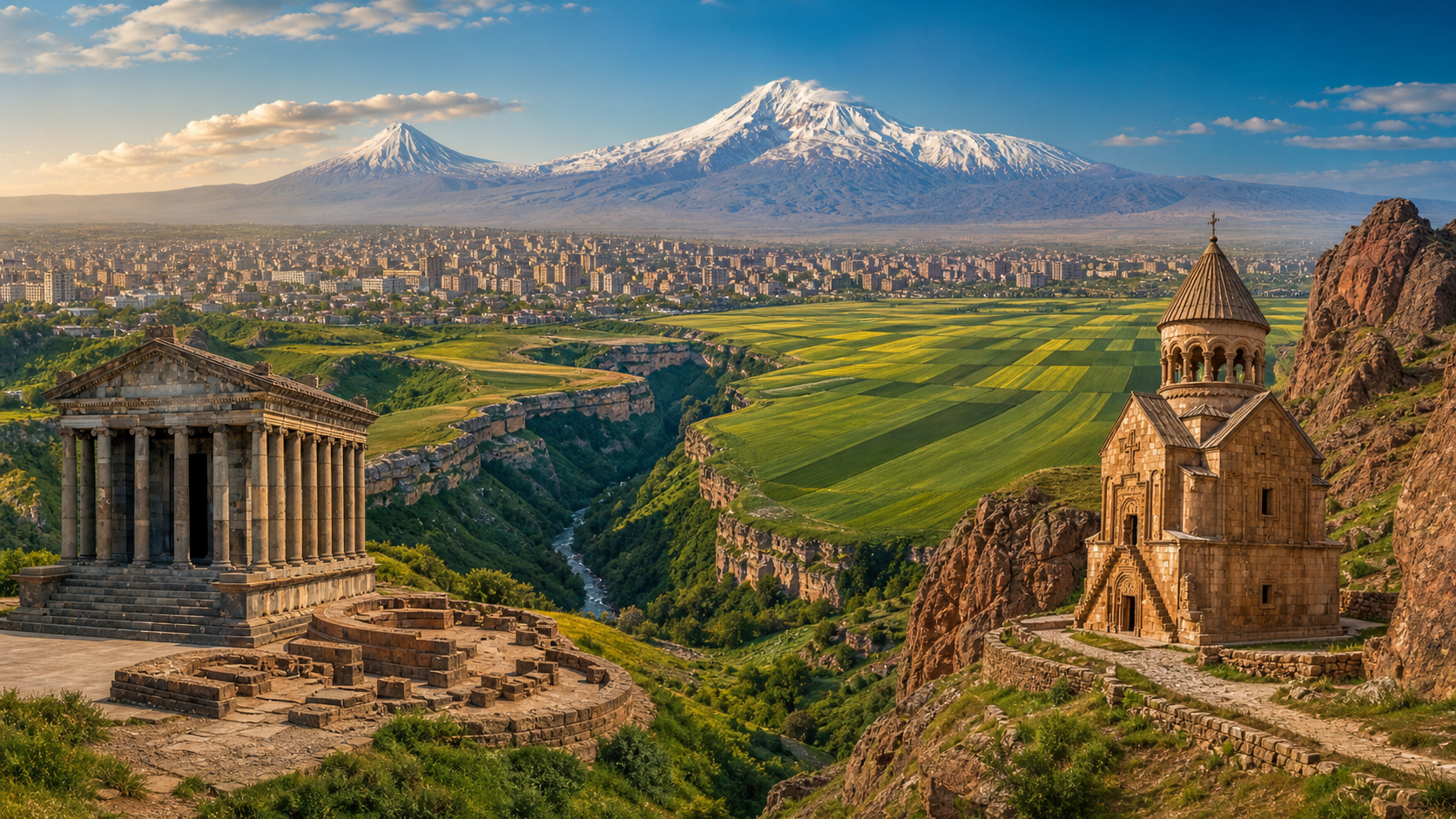
And in Armenia, that means travel isn’t just about seeing the major landmarks anymore but about local rhythms and visiting small villages for authentic experiences.
Global Travel Trends
Travel for 2026 is all about intention and innovation: from sustainable travel and technology tools to niche adventures, shifting travel motivations, and the growing need for flexibility. Let’s discuss the main trends.
Sustainability
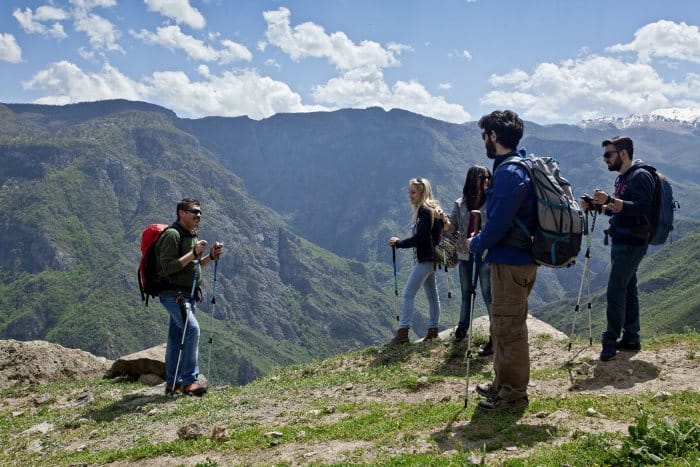
Sustainability will take the spotlight. According to some reports, people will choose family-run guesthouses and locally sourced food instead of chain hotels and fast food. Being eco-friendly isn’t a trend; it’s the language travelers understand.
Many travelers choose vacations during quieter seasons. Carbon-neutral flights, renewable energy hotels, and zero-waste tours are no longer rare and are expected to become a trend.
This new kind of travel is slower, more thoughtful, and more rewarding.
Technology in the Travel Industry

In 2026, travelers will no longer spend hours comparing websites or reading endless reviews. Imagine you go to a travel agency and ask for the best hotel options in Madrid. The agent gives you several options to choose. The next logical move is to search for photos and reviews on different platforms.
Today, AI recommendations come to replace search engines. They can recommend the best hotels to fit perfectly with individual preferences. If you doubt it’s the best, AI will filter the reviews that you would think are valuable and give a result in a click.
Thus, AI is becoming the invisible travel assistant everyone needs. It learns what kind of traveler you are, if you prefer quiet mountain lodges or lively city cafés. You can also ask AI to search for menus of several restaurants in the center of Madrid and recommend the best option. It’s more convenient and reduces the frustration of unpredictable costs.
Beyond convenience, AI frees people from planning stress. In 2026, technology will not replace travel agents or human experience; it will enhance them.
Niche Tourism and Immersive Experience

In 2026, travel will feel more personal and more connected, and far less crowded. The age of mass tourism, such as endless queues, is giving way to niche and immersive experiences.
This does not mean people will not go to see Mona Lisa at the Louvre or the Colosseum in Rome. Of course, not. However, it’s obvious that more tourists want to go deeper into other countries’ culture. They who want to feel the colors and vibes of the country prefer to stay in boutique guesthouses and learn to cook regional dishes from a local chef. These kinds of trips offer stories worth remembering, not just photos worth sharing.
Wellness and “slow travel” are also redefining how people move. Instead of rushing from one city to another, travelers are spending longer in fewer places, mixing rest with a yoga retreat in the countryside, a week of hiking through quiet trails.
Changing Consumer Motivations
Experts note that travel is becoming more emotional than logistical. People aren’t booking flights just to “get away” anymore. They are searching for meaning, and this is linked to the immersive experience and niche travel mentioned above.
Hilton’s 2026 Trends Report calls it the “Whycation,” and it perfectly captures this new mindset: travel begins with why, not where.
After years of fast living, travelers are asking deeper questions: What do I need from this trip? Rest? Inspiration? New emotions?
For travel businesses, this means rethinking how they communicate. They do not only present glossy brochures or luxury alone, but offer new emotions and purpose. The strongest brands in 2026 will be those that help travelers change, the report says.
How Travel Trends Affect Armenia?
Based on our tours and traveler feedback, it’s clear that visitors to Armenia are also interested in an immersive experience.
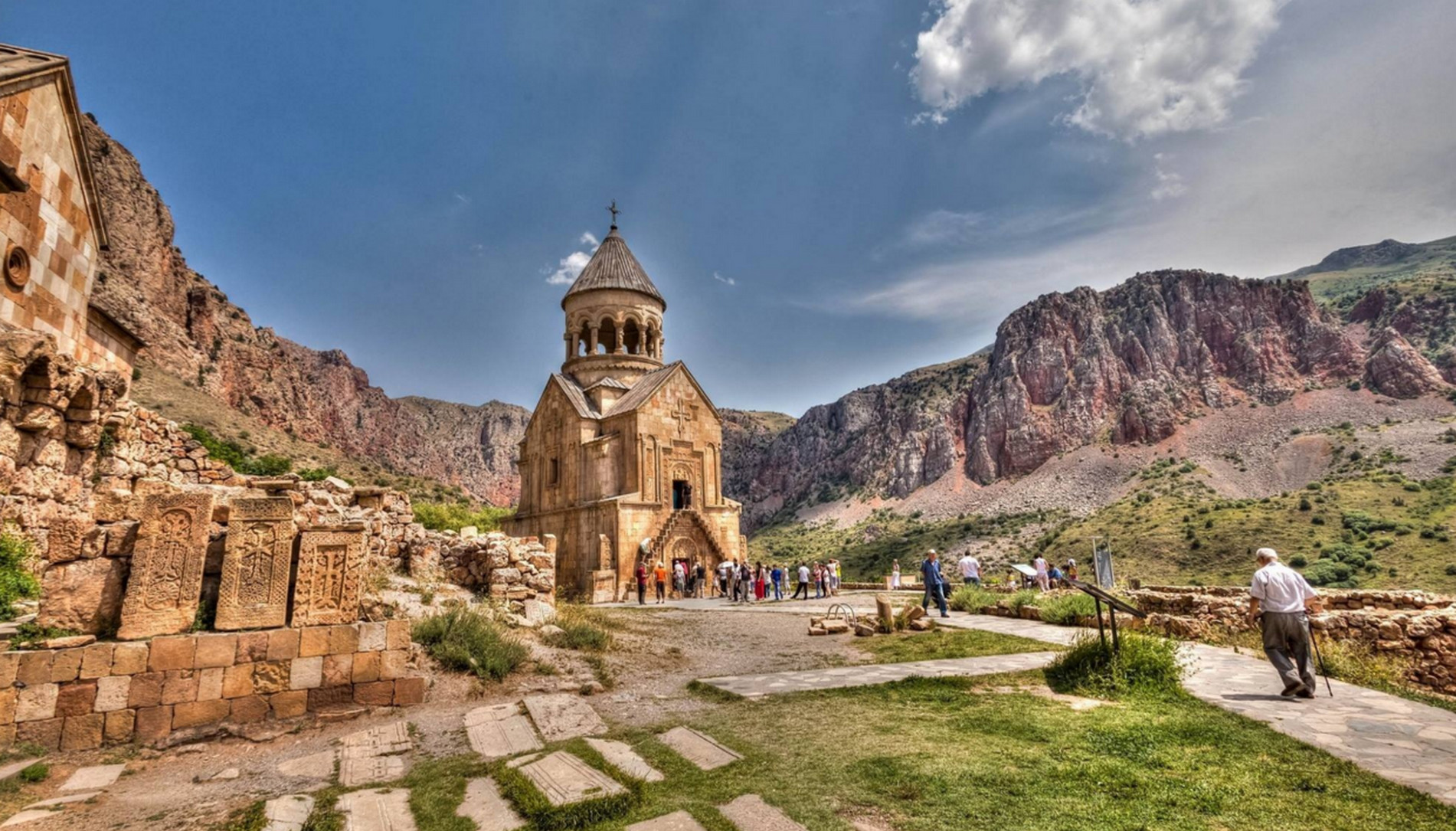
They don’t just want to eat Armenian food; they want to cook it, learn traditional recipes, and share meals with locals. They’re not simply looking to visit a village but to discover something authentic and original, for example, a Molokan settlement, a Yazidi community, or a rural family that still makes wine or cheese by hand.
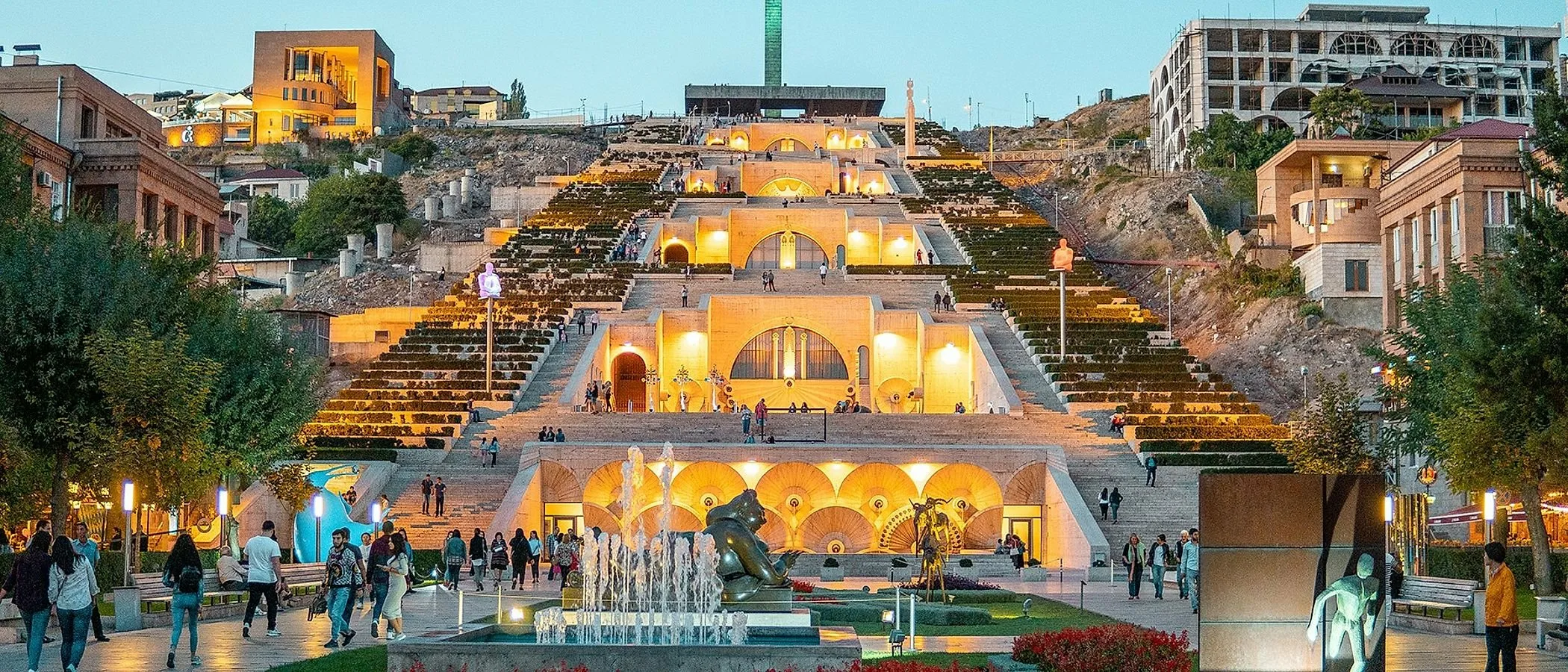
Travelers are searching for experiences they can’t find in their own countries. Armenia, in this sense, is a mix of living traditions and modern Yerevan, where they can also get high-quality restaurants and hotels.
When it comes to outgoing tourism, however, the trends are still catching up. What became mainstream in Europe years ago, budget travel, solo backpacking, or spontaneous short trips, is only now becoming common for Armenian travelers.
The rise of low-cost airlines has opened more routes, making weekend and last-minute vacations realistic options for Armenian travelers. Younger generations, especially, are more flexible: they book closer to departure, mix work with travel, and choose affordable stays.
In short, Armenia is standing at the crossroads of two travel movements. The country welcomes visitors who seek deeper, more meaningful local experiences. Meanwhile, locals start to travel the world on a larger scale.