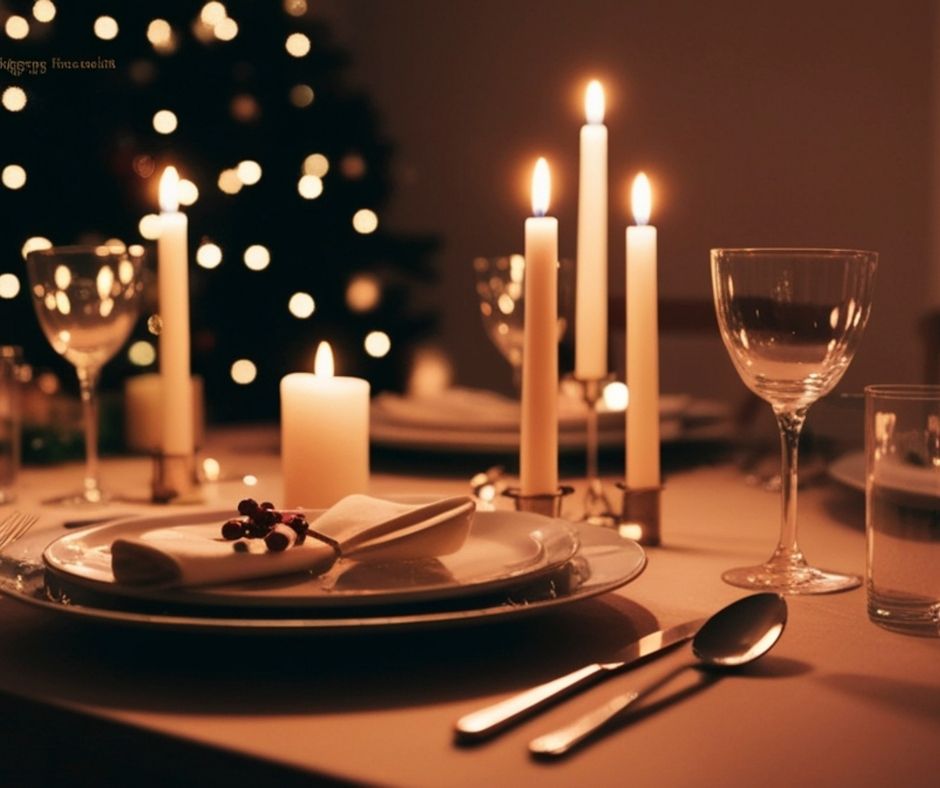
Armenians celebrate both New Year and Christmas, but unlike many countries, these holidays have a unique order and tradition. New Year’s Eve on December 31 is the biggest festivity in Armenia. It is marked by large family gatherings, generous tables, and days of visiting relatives and friends. It is a joyful celebration filled with joy, fireworks, and symbolizes a fresh start.
Christmas, celebrated on January 6, carries a different, deeply spiritual meaning. It is a quieter and more symbolic holiday. The Christmas table is modest and rooted in religious tradition.
These two tables differ greatly: New Year’s Eve is lavish and festive, while the Armenian Christmas table is simple, meaningful, and focused on traditional dishes.
In this blog, we’ll explore the traditional Armenian Christmas table and Christmas traditions, and the dishes you must try.
Armenian Christmas Dishes
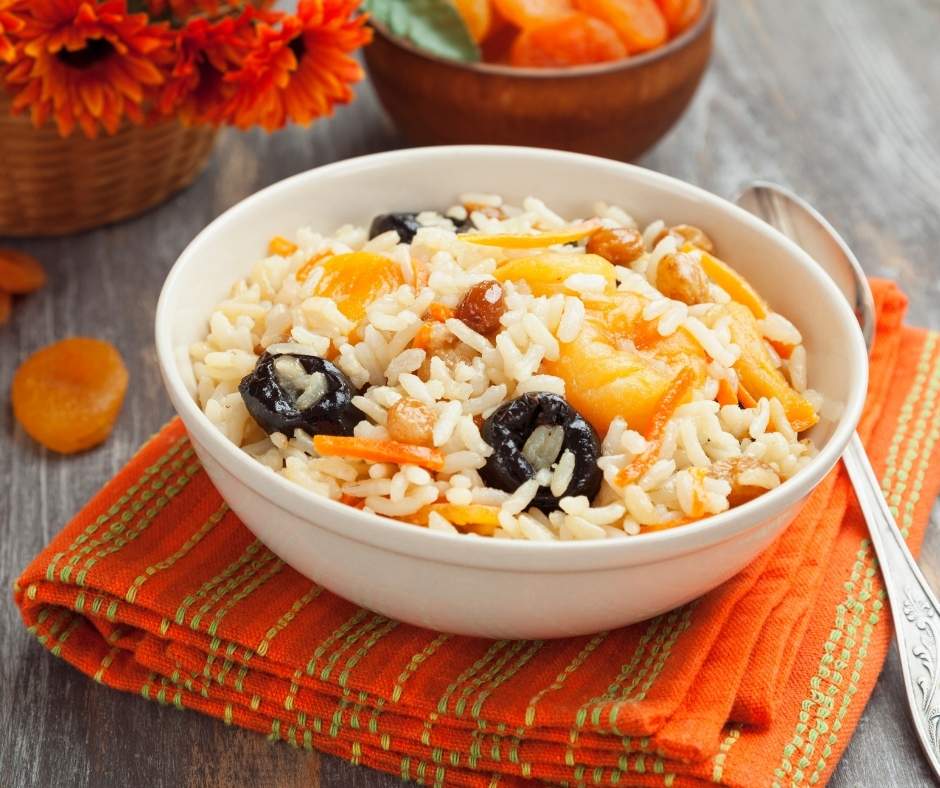
Armenian Christmas is a warm family holiday that brings relatives together around a beautifully prepared table.
Families traditionally prepare sweet rice pilaf made with dried apricots and raisins, various herb-based dishes, fish, and, for dessert, the beloved gata. A bottle of red wine is an essential part of the table. It is not just as a drink but as a meaningful element of the celebration.
Every dish on the Armenian Christmas food carries a spiritual message. Rice is seen as a symbol of the people, while the dried fruits mixed into the pilaf represent the chosen disciples who spread God’s teachings.
Fish has long been associated with Jesus Christ in early Christian tradition, making it a meaningful centerpiece of the Christmas meal. Red wine symbolizes the blood of Christ.
Herb dishes, whether boiled, stewed, or fresh, reflect fertility and the renewal of life.
Desserts on the Christmas Table

No, we haven’t forgotten about gata and other sweets. Armenians eat a lot of sweets in daily life and it would be strange not to see them on the Christmas table.
First, it’s gata of course. Traditionally, it was a round gata, typically sliced into twelve equal pieces, representing the twelve months of the year. Today, you’ll find many variations from classic dough to flaky puff-pastry versions.
One charming Armenian Christmas tradition involves hiding a coin inside the gata. Before placing it in the oven, the host secretly tucks a small coin into the dough. The person who discovered the coin was believed to receive good fortune, prosperity, and protection for the coming year.
But the sweetness doesn’t stop there. Long before the New Year and Christmas arrive, Armenian households begin preparing or purchasing large amounts of sweets, including dried fruits and pakhlava. Yes, it may seem too much for foreigners, but it’s true.
The winter holiday table is always filled with apricots, plums, pears, figs, and raisins. Some families still dry their fruits at home during summer, storing them for the winter festivities, while others prefer buying dried fruits from markets.
Alongside dried fruits, the table usually includes a variety of nuts, which symbolize abundance and prosperity. Homemade pastries, cookies, and plenty of chocolate candies also find their place among the desserts. This generous assortment of sweets reflects Armenian hospitality.
New Year Table
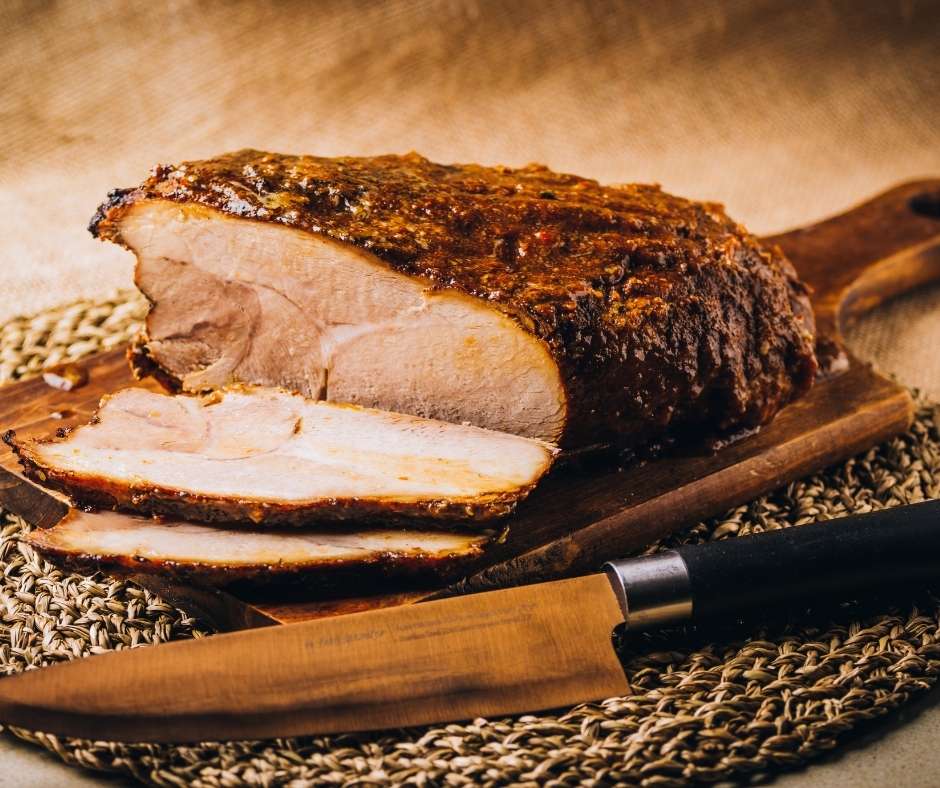
When Armenians celebrate New Year on December 31, the festive table is a very different affair from the modest, spiritual Christmas (January 6) meal. Where the Christmas table is light and vegetarian, the New Year’s spread is rich and filled with meat dishes. In Armenia, it’s a true celebration of hospitality.
At the center of the New Year table often sits dolma, grape or cabbage leaves stuffed with minced meat, rice , and spices. This savory, hearty dish is a must, and many families prepare a generous portion.
Other traditional dishes include pork leg roast, pancakes with meat, many different salads, and of course, lavash and bread (Armenians eat a lot of bread). In general, a New Year table in Armenia means a lot of food: several types of cheese, cold-cuts like basturma are a must. All this is a stark contrast to the lean Christmas table.
In short, the New Year in Armenia is celebrated with a lavish, celebratory table filled with meats, festive dishes, sweets, and drinks. There are different types of pastry and cakes, like Napoleon, which comes from the Soviet era.
Holiday Street Food in Armenia
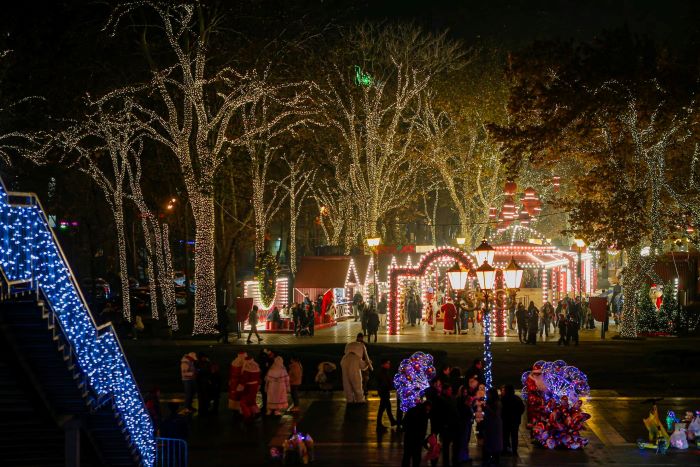
In recent years, Christmas markets in Armenia have become incredibly popular, transforming parksinto festive winter villages similar to those found in many European countries. The growth of these markets has also created a vibrant street-food culture that blends classic international snacks with authentic Armenian flavors.
Just like in Europe, you’ll find familiar favorites such as hot dogs, corn, waffles, crepes, and plenty of sweet pastries. Vendors also serve mulled wine, prepared with local spices and Armenian red wine, a warm, aromatic drink perfect for cold winter nights.
But what makes Armenian holiday street food truly unique is the addition of traditional dishes that reflect local culinary heritage. One of the most beloved is jingyalov hats, a flatbread stuffed with a fragrant mixture of fresh herbs. Although originally from the Armenian regions of Artsakh and Syunik, it has become a star at winter festivals.
You’ll also come across beautifully layered pakhlava, homemade gata, and stalls selling mountains of dried fruits.