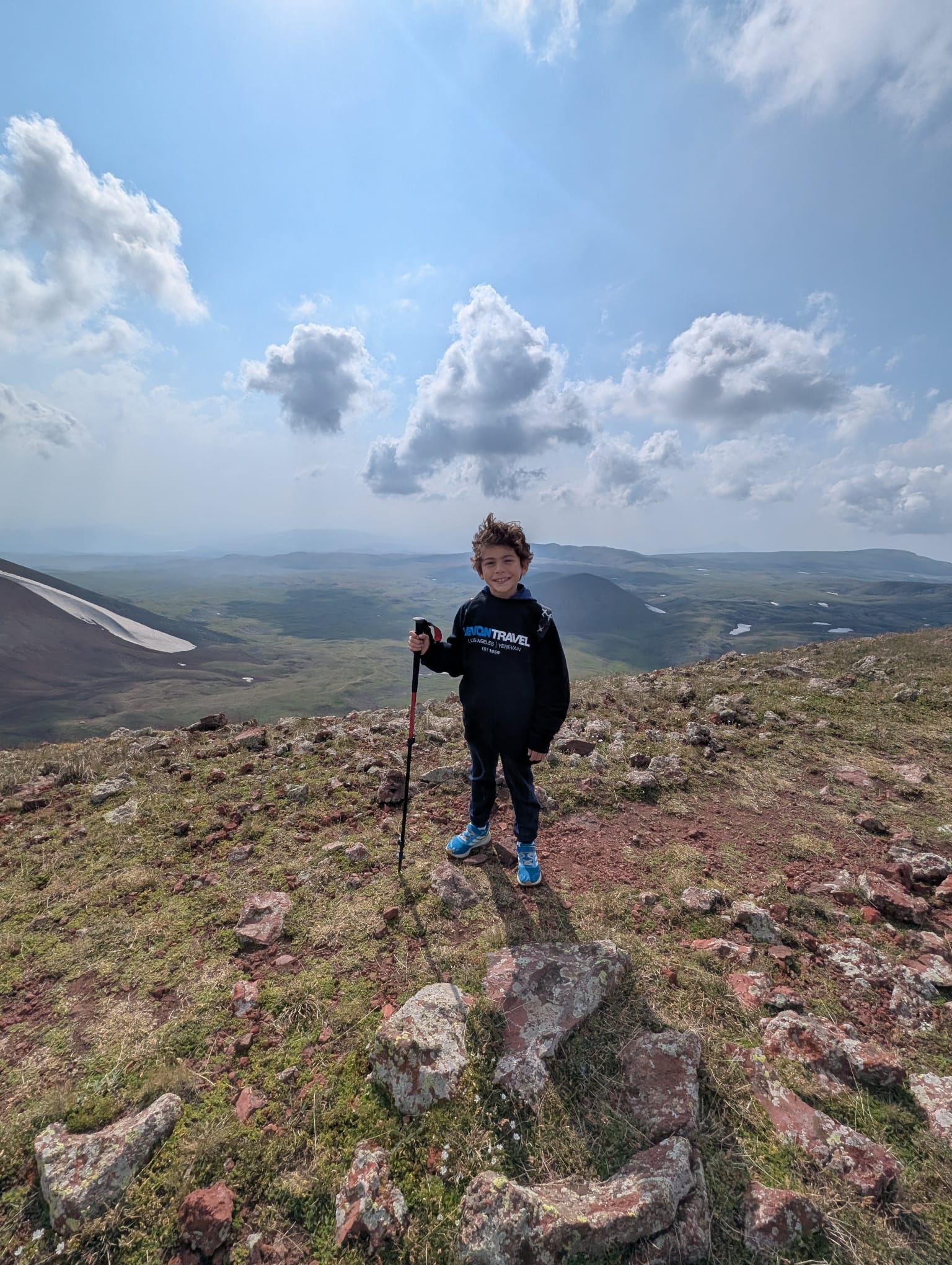
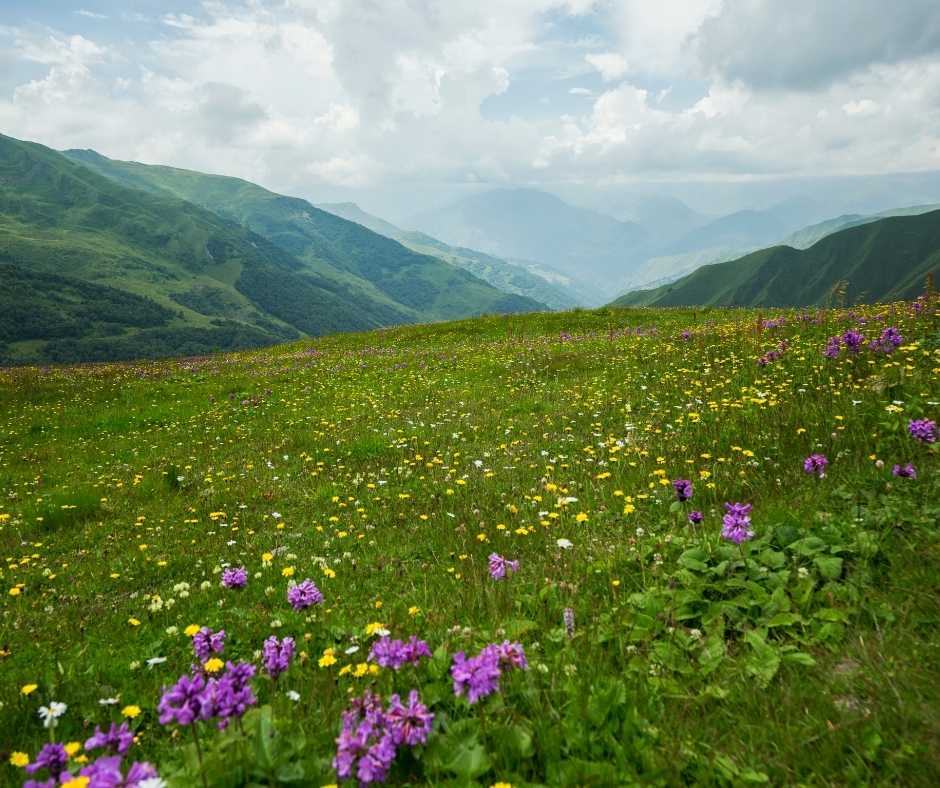
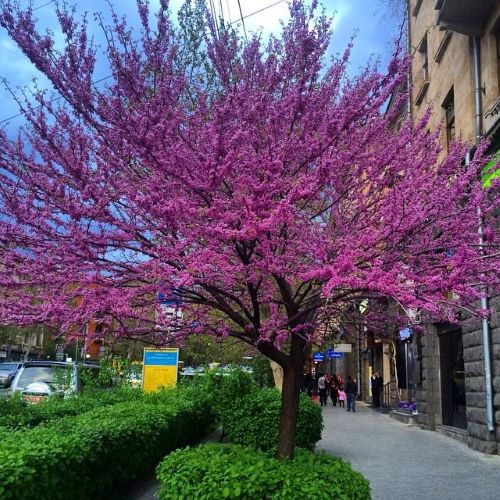
Armenia in spring is often associated with blooming landscapes and warmer days, but in reality, the season can begin in different ways.
March does not always feel like spring, and in some years, Yerevan and other parts of the country may even see snowfall or cold weather. However, by May, the atmosphere is unmistakably spring-like. With sunny days, green parks, and temperatures that can feel almost like early summer compared to some parts of Northern Europe.
Regardless of the weather, the mood of the season in Armenia is undeniably festive. One of the main reasons is the series of spring holidays in Armenia celebrated during these months. Let’s see what Armenians celebrate in spring and how they do it.
Holidays to Celebrate Women
Although International Women’s Day is recognized in many countries around the world, it is not usually a public holiday there.
In Armenia, it is celebrated especially warmly. The holiday has remained one of the most beloved traditions in the country.
On this day, men traditionally give flowers, gifts, and small tokens of appreciation to women, regardless of age. Mothers, grandmothers, wives, daughters, colleagues, and friends all receive attention and congratulations.
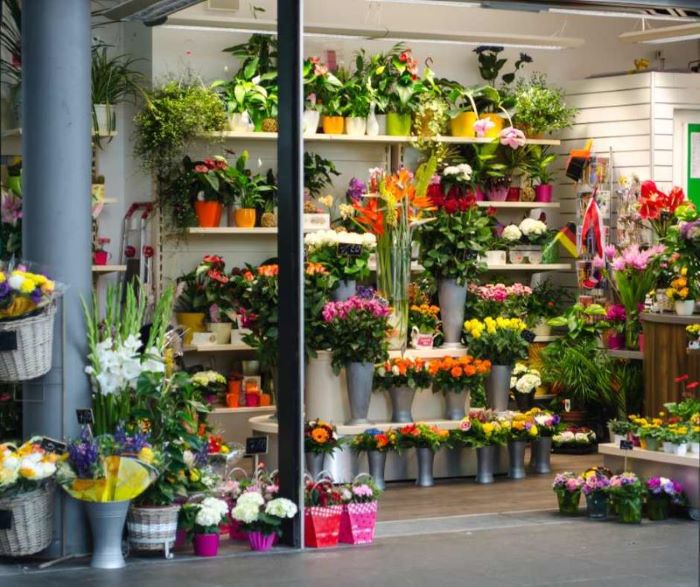
Flower shops are among the busiest places in the city, with tulips and roses being the most popular choices. It is common to see people walking through the streets carrying bouquets.
Restaurants and cafés are also in high demand, and many are fully booked in advance, as families, couples, and groups of friends gather to celebrate. March 8 is also a public holiday in Armenia, meaning that most people have a day off from work.
After Armenia gained independence from the Soviet Union in 1991, the country introduced another holiday dedicated to women. April 7 was established as Motherhood and Beauty Day.
Over time, these two holidays together created what Armenians often call the “Month of Women.”
Armenian Easter
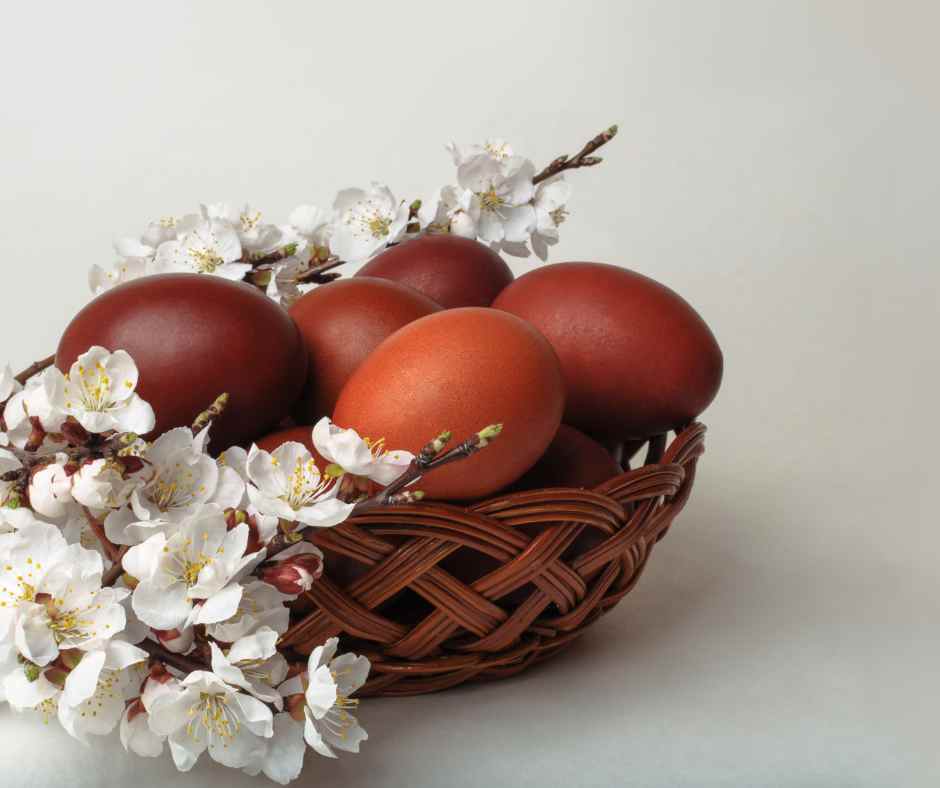
After seeing women with flowers throughout Yerevan on March 8, visitors will notice a similar scene again a few weeks later. On the Sunday a week before Easter, Armenians celebrate Palm Sunday.
It is called Tsaghkazard, which literally means “decorated with flowers.” This important holiday commemorates Jesus Christ’s triumphal entry into Jerusalem and marks the beginning of Holy Week in the Armenian Apostolic Church.
On this day, churches across Armenia hold special Divine Liturgies, and many people attend services carrying flowers, willow branches, and wreaths.
After the ceremony, families usually take the consecrated branches and wreaths home, where they are kept for many months as symbols of peace, protection, and prosperity.
Soon after comes Armenian Easter, known as Zatik, one of the most important religious holidays in the country. The date varies each year and is usually celebrated in March or April, depending on the church calendar.
Easter itself is celebrated with rich traditions. Families dye eggs, usually with red onion peels, giving them a deep red color symbolizing Christ’s blood and resurrection.
Festive tables are prepared, relatives gather, and the joyful greeting “Christ is risen!” is exchanged. One of the most beloved traditions is the egg-cracking game. Participants tap eggs against each other to see whose egg remains unbroken.
May Holidays
Spring celebrations in Armenia continue into May, when the country celebrates several important public holidays. These days are marked by official ceremonies, and for families and friends, those are good occasions to go to the country or gather for a traditional barbecue.
May 1, International Workers’ Day, is a public holiday celebrated across Armenia. Since it is a day off for most people, many Armenians take the opportunity to relax, meet friends, or spend time outdoors. With the warmer spring weather, parks, cafés, and city squares often become lively gathering places.
Another significant date is May 9, Victory and Peace Day, one of the most important commemorative holidays in Armenia. The day marks the victory over Nazi Germany in World War II. Armenians honor the memory of those who fought and sacrificed during the war. There were around 500,000 Armenian participants within the Soviet Army.
On this day, official ceremonies are held throughout the country. People visit memorials and monuments, lay flowers, and attend commemorative events honoring veterans and fallen soldiers.
The largest gatherings usually take place at Victory Park in Yerevan, where people come to remember history and pay their respects.
Is Spring a Good Time to Visit Armenia?
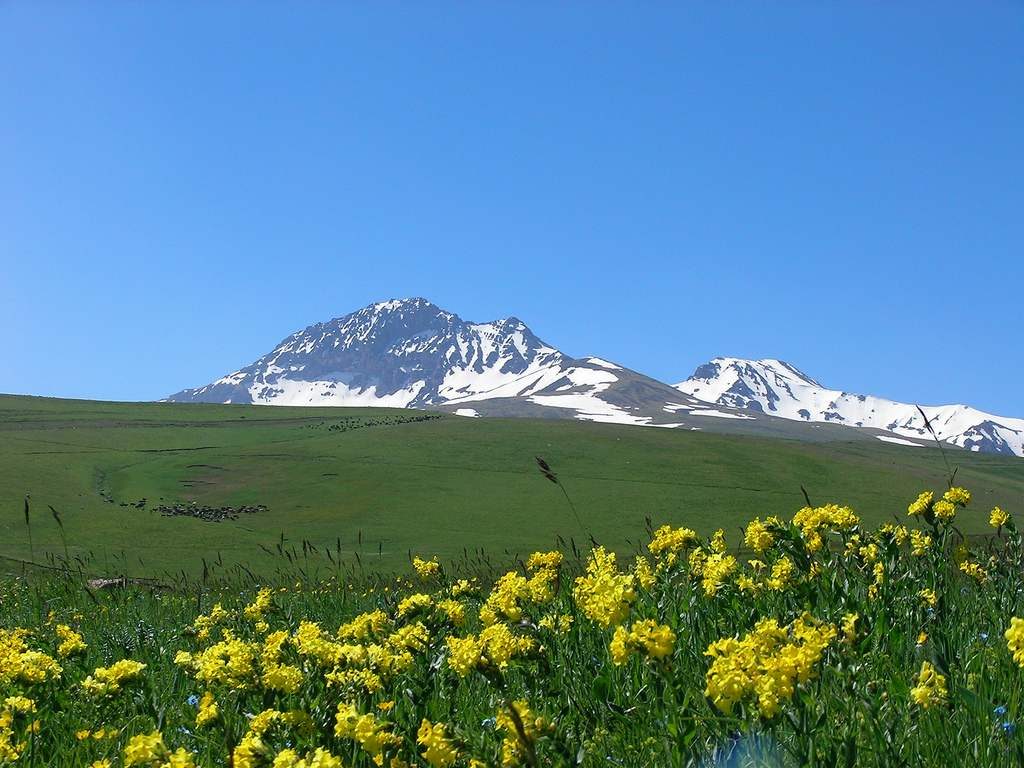
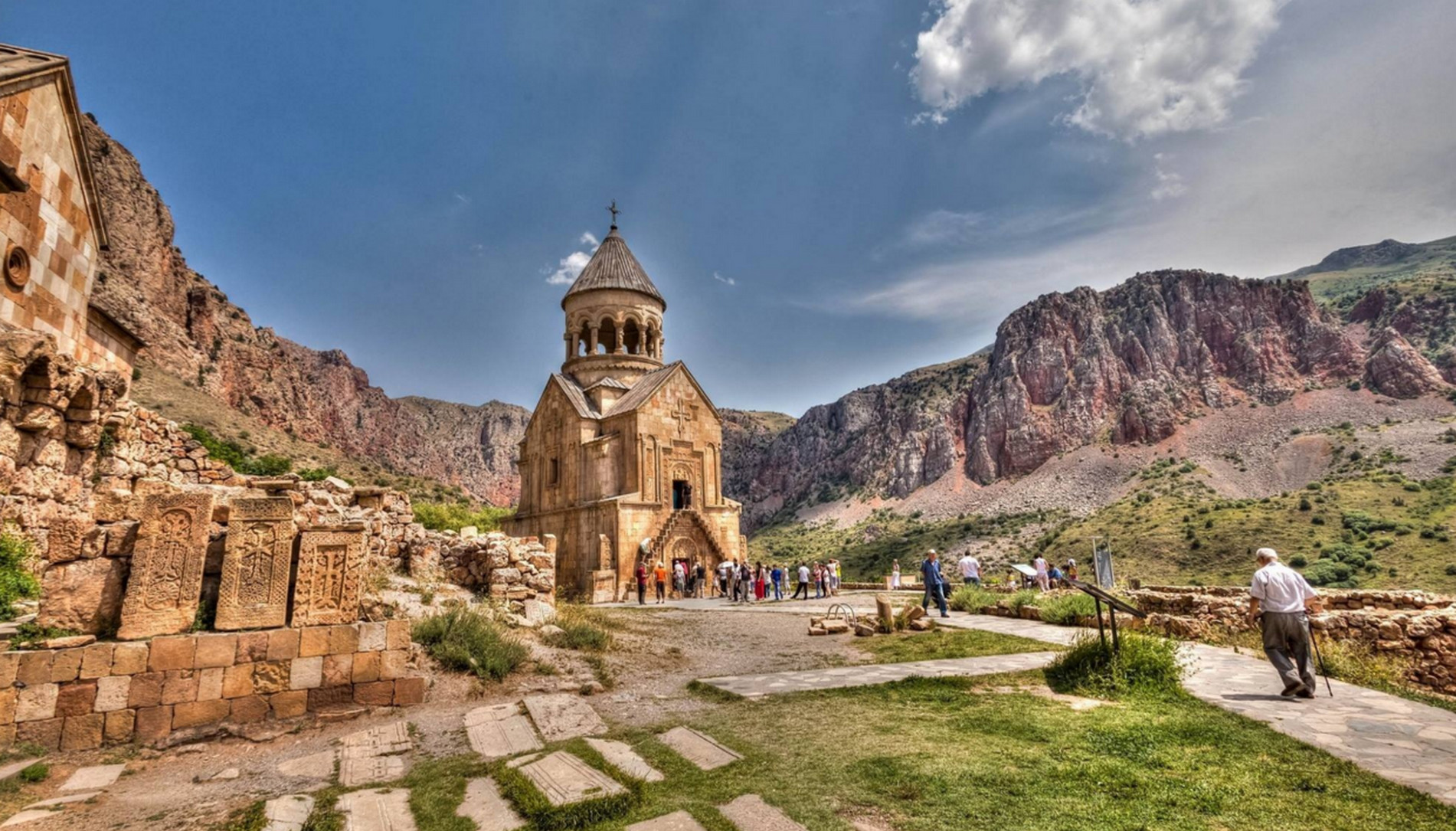
Spring is considered one of the most pleasant seasons to visit Armenia. March can still feel chilly and occasionally even snowy, especially in mountainous regions. Meanwhile, April and May bring warmer temperatures and sunny days that are perfect for exploring historical sites and nature.
Another advantage is the spring holidays in Armenia, as they are a chance to get to know Armenians better.